
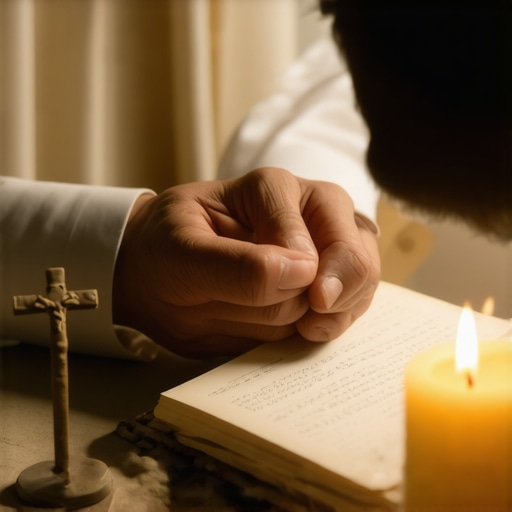
Imagine this: You’re sitting in a dimly lit room, heart pounding, as you realize you’ve taken an unexpected leap into the unknown of spiritual warfare. The next step? Meeting with a deliverance priest to seek help for what feels like an impossible battle. In that moment, I remember fumbling through my bag, wishing I knew exactly what I should bring—or leave behind. It dawned on me then how overwhelming and confusing this initial encounter can be.
Stepping into the Unknown: Why Preparation Matters
When you’re facing what seems like a serious spiritual affliction—be it demon possession, spiritual oppression, or haunting—it’s natural to feel apprehensive. The first meeting with a deliverance priest is crucial; it’s the foundation for everything that follows. Unfortunately, many people overlook the importance of proper preparation, which can lead to delays or ineffective results.
Early on, I made the mistake of arriving unprepared, thinking I could wing it. That was a rookie error. Priests often have specific protocols, and knowing what to bring can streamline the process. The right preparations demonstrate seriousness and respect for the ritual, making the experience smoother and more meaningful.
Is Everything You Need to Know About Deliverance Rituals Already Out There?
Honestly? No. Many folks assume they can just show up and expect all will fall into place. But in my own experience, understanding the nuances—like what documents or items are necessary—makes a real difference. For instance, some clergy may require medical evaluations or specific documentation before proceeding. Not knowing this can cause unnecessary setbacks. To get a clearer picture, I recommend reading about why Virginia priests require a physical exam prior to deliverance, which highlights the importance of thorough preparation.
Have you faced a situation where you arrived unprepared for an important spiritual appointment? Understanding what to bring can make all the difference and help you approach your first meeting confidently. In the sections ahead, I’ll walk you through the essential items and steps to ensure you’re ready to face this spiritual journey head-on.
Gather Necessary Documentation and Medical Clearances
Before initiating a deliverance session, ensure all required paperwork is in order. This might include medical evaluations, psychiatric assessments, and any documentation of previous spiritual or psychological issues. When I first contacted a Catholic exorcist in Arlington, I learned that securing a physical exam was mandatory to rule out mental health conditions. This step helps differentiate between psychological and spiritual causes, preventing unnecessary rituals. Think of this as preparing your toolkit before a journey—you wouldn’t leave for a trip without essential gear. »
Identify Clear Signs and Gather Evidence
Recognize physical and emotional manifestations that point toward genuine demonic activity. Common signs include unexplained noises, sudden cold drafts, or objects moving without explanation. I documented my experiences meticulously—recording times, symptoms, and patterns—similar to how a homeowner tracks suspicious activity. This record proved invaluable during the initial interview with a priest, providing concrete examples to support my case. To discern whether your situation aligns with genuine possession, review resources on recognizing signs of spiritual infestation. Clear evidence streamlines the process and helps focus prayer efforts effectively.
Request a Formal Consultation with a Qualified Exorcist
Contact your local diocese—such as Georgetown, Arlington, or Norfolk—and arrange a consultation with a certified exorcist. During this initial meeting, expect a thorough interview about your personal and spiritual history, similar to an intake in therapy but with a focus on spiritual warfare. I recall discussing my background with a priest who asked specific questions about occult practices, previous hauntings, and emotional states—these details are crucial. Preparation makes these interviews more efficient. You can learn more about what to expect during your first session, which prepares you for what comes next.
Assess the Need for Additional Evaluations
In some cases, particularly complex ones, a bishop’s approval may be necessary. Be ready to undergo further assessments—both medical and spiritual—to establish the severity of the case. This is akin to getting a second opinion before a major surgery; it ensures all aspects are considered. For instance, Virginia priests often advise medical evaluation before proceeding. This layered approach ensures the ritual is reserved for genuine cases, saving resources and spiritual energy.
Prepare Your Environment for the Ritual
Ensure your space aligns with the priest’s requirements—clean, free of occult symbols, and spiritually protected. Simple acts like blessing your home with holy water, lighting candles, or reciting predetermined prayers create an environment conducive to spiritual cleansing. I found that removing anything associated with the occult and setting up a small prayer altar made a noticeable difference. Priests might also suggest fasting beforehand or engaging in prayerful reflection—these acts heighten your spiritual receptivity. For detailed guidance, see traditional prayer practices in Virginia. Your physical and spiritual preparation sets the stage for a successful deliverance.
Ensure Proper Protocol Compliance Throughout the Process
Every step must adhere strictly to canonical law and diocesan protocols. This is why engaging with a trusted, officially recognized exorcist is critical—they follow specific procedures outlined by the Church. In Washington DC, some cases require multiple visits, especially if initial signs persist, similar to diagnostics in medical care. I remember a scenario where repeated visits were necessary until the priest confirmed the presence of genuine affliction. Maintaining open communication with the clergy and documenting each step helps ensure transparency and efficiency. Consult protocols for emergency intervention to understand the chain of authority and process details. Following these steps minimizes errors, respects ecclesiastical authority, and ultimately enhances the effectiveness of the deliverance.
Many people assume that exorcisms are quick, sensational rituals performed instantaneously by a priest with little preparation. In reality, especially within the Georgetown DC area, most misconceptions stem from Hollywood portrayals and misinformation. One pervasive myth is that any priest can perform an exorcism without prerequisites, but canon law mandates specific criteria and formal approval from diocesan authorities, like those in the Arlington Diocese. Understanding these protocols reveals the process’s seriousness and complexity.
Another common misunderstanding is that demonic possession can be diagnosed solely based on observable signs. While symptoms like unexplained voices or physical disturbances exist, experts highlight the importance of differentiating psychological issues from true spiritual affliction. Consultations often involve medical and mental health evaluations—something many overlook when seeking spiritual deliverance in DC. For instance, Virginia priests frequently require a physical exam to rule out mental health concerns before proceeding, ensuring the ritual’s appropriateness.
A trap many fall into is overestimating the immediacy of results. Deliverance often needs a series of prayers, ongoing spiritual work, and sometimes multiple visits by the exorcist—especially in complex cases involving persistent oppression. Rushing a ritual without proper diagnostics or spiritual preparation can actually undermine its effectiveness.
### Why Do Some Think Exorcisms Are Always Spectacular Performances?
Hollywood movies exacerbate the idea that exorcisms are loud, dramatic events with visual theatrics. However, the official church procedures often favor discreet and prayerful approaches, respecting the dignity of those involved. This discreet method helps prevent unnecessary fear and fosters genuine spiritual healing.
Avoid the pitfall of seeking quick fixes through non-authorized services. Many claiming to perform “exorcisms” lack proper church approval and may do more harm than good. The safest approach involves consulting trained, diocesan-approved exorcists, such as those associated with the Arlington Diocese or Washington DC’s Catholic centers. They understand that effective spiritual warfare is nuanced, requiring patience, discernment, and adherence to canonical law.
Have you ever fallen into this trap of misconceptions? Let me know in the comments. Remember, true spiritual deliverance is a journey grounded in faith, proper procedure, and expert guidance. For more on how to recognize genuine cases and avoid common pitfalls, check out recognizing signs of spiritual infestation.
Keep the Power Flowing: Tools I Trust for Lasting Results
Maintaining ongoing spiritual deliverance requires more than just faith; it demands a set of reliable tools and methods to ensure the progress sticks. One favorite among practitioners in Washington DC and Virginia is the use of **blessed sacramentals**, such as holy water, crucifixes, and medals. I personally keep a small vial of blessed water in my home, which has become invaluable during moments of spiritual attack. Regularly renewing these items, especially through sacramental blessings by a trusted priest, helps reinforce spiritual barriers and creates an environment resistant to negative influences.
Another indispensable tool I utilize is a **spiritual journal**. Documenting manifestations, prayers, and reflections not only tracks progress but also helps identify recurring patterns or triggers. This practice aligns with the church’s own documentation standards for exorcism procedures, ensuring that signs of genuine infestation are properly monitored over time. For a detailed understanding of how to document spiritual activity effectively, check out this guide on documentation.
Investing in a **sacred space setup**—such as an altar with icons and prayer cards—can transform your home into a spiritual fortress. I recommend dedicating a small corner where daily prayers and devotions are practiced, which over time fortifies your environment against intrusive spirits. This is supported by findings that regular prayer and sacramental rituals significantly diminish the likelihood of demonic influence taking hold, especially in vulnerable areas like Georgetown or Arlington.
How do I maintain spiritual defenses over time?
Consistent prayer, regular sacramental participation, and periodic home blessings are key. Integrate tools like Holy Water and prayer books into your routine, and schedule annual or semi-annual home cleansings with a clergy member. Remember, spiritual warfare isn’t a one-and-done effort; it’s an ongoing journey where proper tools keep you resilient. As the demand for effective deliverance grows in the DC area, more practitioners are turning to innovative methods like protective prayer enclaves and blessed relics—tools that I highly recommend exploring. Try incorporating a **prayer altar with sacred artifacts**, which acts as a tangible reminder of divine protection and helps maintain your spiritual boundary against persistent demonic pressure.
In future trends, I see a surge in the use of **digital prayer resources** and **virtual blessings**, making spiritual maintenance accessible even for those with busy schedules. As technology continues to evolve, employing secure apps for daily prayer reminders or virtual consultations with experienced exorcists will become more common, providing continuous support beyond traditional rituals.
If you want to strengthen your spiritual defenses, start by establishing a dedicated prayer space in your Virginia or DC home, incorporating some of these tools. The key is consistent, intentional effort—think of it as maintaining a spiritual fitness routine. For more about preparing your environment and practicing ongoing spiritual protection, visit this insightful resource.
Over the years of assisting families and individuals in the DC and Virginia areas, I’ve uncovered a profound truth: authentic spiritual protection is as much about inner conviction as it is about external rituals. One lesson that struck me deeply is that real deliverance often begins long before an exorcism is officially requested. Building a resilient spiritual foundation through daily prayer, sacramentals, and intentional living can significantly reduce the likelihood of encountering severe possession or oppression. Recognizing subtle signs early—like persistent nightmares or unnatural disturbances—allows for timely intervention, often preventing more complex situations. Embracing ongoing spiritual education and staying connected with trusted diocesan resources can empower you to discern genuine cases from temporary phenomena, ensuring that your journey through spiritual warfare remains guided, respectful, and effective. Ultimately, the key isn’t just in seeking deliverance but in cultivating a life rooted in divine protection, so that when critical moments arise, you’re prepared to face them with unwavering faith.