
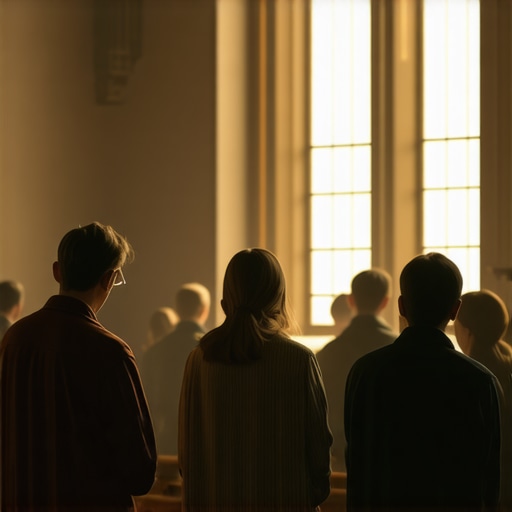
It was late at night when I first confronted a presence in my home that sent shivers down my spine. Frightened and unsure, I reached out to local pastoral resources, only to find that immediate rituals weren’t always the first answer. That unsettling experience became a turning point, revealing how the Arlington Diocese often prioritizes prayer over jumping straight into formal exorcisms. I realized that my initial instinct—to demand a quick, dramatic ritual—missed a crucial step that could deepen the healing process and respect the spiritual authority involved.
The Power of Prayer: Why Patience Matters in Spiritual Warfare
Will Waiting Make a Difference?
Many people, myself included early on, tend to believe that a quick ritual can instantly banish darkness. But from my own journey and the experiences shared by countless families, I learned that prayer serves as a foundational tool—one that prepares both the affected individual and the priest for what’s to come. Rushing into a ritual without adequate prayer and spiritual preparation can sometimes do more harm than good, creating a false sense of security. As a trusted source explains, “Traditional prayer is your best defense in Virginia” — emphasizing that a well-grounded spiritual approach often yields lasting peace and protection.
Reflecting on my initial misstep—bypassing prayer and requesting immediate exorcism—I now see how this mistake could have compromised the process. It’s essential to understand that prayer is not just a formality; it’s the very armor that fortifies the soul and clarifies the divine authority involved. The Arlington Diocese, with its careful emphasis on prayer first, exemplifies this approach. They often advocate for spiritual preparedness, prayer groups, and sacramental life to create a solid foundation before engaging in formal rituals. For those interested in understanding more about these vital prayers, I recommend exploring [essential prayers for families dealing with spiritual oppression](https://americanexorcism.com/essential-prayers-for-families-dealing-with-spiritual-oppression).
As we delve into how prayer interplays with the exorcism process, I’ll share practical steps and insights that have helped many families navigate this delicate journey with hope and faith. Have you ever faced a situation where rushing into action might have been the wrong choice? If so, you’re not alone—and understanding the reasoning behind prioritizing prayer can be a game-changer in your spiritual life.
Start with Sacred Prayers to Establish Authority
Before engaging in any formal ritual, prioritize establishing spiritual authority through specific prayers. Use trusted prayers recommended by Arlington diocesan priests—these serve to invoke divine protection and prepare the space spiritually. Begin with blessings such as the prayers for home protection, which act as spiritual shields against negative influences. Don’t rush this step; it’s akin to setting a foundation before building your house: without it, everything else could be compromised.
Identify Signs and Gather Evidence of Unseen Activity
Next, carefully observe the environment for signs of spiritual infestation—such as unexplained noises, objects moving, or feelings of oppressive heaviness. Use detailed checklists from priests in Fairfax to discern whether these symptoms point to a genuine problem. Document these occurrences; detailed records help clergy understand the severity and nature of the situation, similar to a detective gathering clues before a solid plan.
Coordinate with a Qualified Catholic Exorcist
Once you’re convinced that spiritual distress is present, contact a diocesan-approved exorcist—preferably one experienced with cases in Virginia or Washington DC. Use resources like how to find a Catholic exorcist. Prepare your case thoroughly, noting all signs and prior steps. Think of this as assembling a specialized team, much like a crisis response unit, ready to administer the formal ritual with divine authority. Avoid unverified practitioners; the stakes are high, and legitimacy is crucial to success.
Engage in Pre-Exorcism Sacraments and Spiritual Cleansing
Before the liturgical rite, recommend the sacrament of confession—considered a spiritual cleansing—per traditional Catholic practice. This process purifies the soul, making it more receptive to divine intervention, much like cleaning a lens before taking a photograph ensures a clear image. Participants should also prepare emotionally and spiritually, fostering faith and openness to divine power.
Prepare Your Environment and Family for Rituals
Clear the space physically and spiritually—removing objects connected to the occult or other harmful influences. Conduct a prayerful blessing of the home, applying holy water and salt—methods frequently recommended by Virginia priests. Inform family members about what to expect; this minimizes fear and helps maintain tranquility, similar to a team briefing before a crucial operation. Resources like home preparation guides can assist in this process.
Maintain Vigilance Post-Ritual and Support Spiritual Health
After the exorcism, continue prayer, sacraments, and possibly join a prayer group dedicated to spiritual healing, such as those documented in Fairfax prayer groups. Regular spiritual maintenance is like routine exercise for physical health; it keeps the fortified state intact and helps prevent re-infestation. Be attentive to new or recurring symptoms, and remain engaged with trusted clergy for ongoing support. Remember, spiritual warfare is ongoing, and persistent vigilance is key to lasting peace in your home.Many assume that Catholic exorcisms in Washington DC and Virginia are straightforward events, but the reality is nuanced. A prevalent myth is that anyone claiming to be an exorcist can perform a valid rite; in truth, genuine exorcists operate under strict diocesan approval, ensuring adherence to tradition and safety protocols. Rushing to hire unverified practitioners can lead to spiritual or psychological harm—this is a trap many unwary families fall into, especially in areas like Georgetown or Capitol Hill where demand is high. The process is complex, involving thorough investigations and collaboration with medical experts, as outlined in expert analyses of the diocese’s protocols. Let’s dig deeper into why understanding these nuances saves lives and preserves faith.
What Demands More Than Just a Prayer Timer?
People often believe that prayer alone suffices to resolve possession or oppression; however, studies show that a combination of sacramental rites, professional intervention, and targeted prayer creates a holistic approach. For example, a recent review in spiritual health literature emphasizes that prayer without proper investigation risks overlooking underlying mental health issues—an ongoing danger if families neglect to consult qualified clergy and medical professionals. Moreover, relying solely on quick rituals without understanding the signs of genuine spiritual distress can be more damaging than helpful. It’s vital to recognize that formal exorcism services in Washington DC are reserved for verified cases, after meticulous screening and evidence collection.
Make no mistake—there’s a fine line between authentic deliverance and counterfeit acts. Many families seek assistance from local Catholic healing ministries in Virginia, aiming for compassionate, faith-guided care. These groups emphasize prayer as part of a broader healing journey, not the entire solution. For those curious about how such ministries operate, I recommend exploring resources dedicated to trusted prayer groups that offer spiritual support without risking unorthodox practices.
Additionally, be cautious of shortcuts; the allure of a fast fix often leads to engaging with unlicensed individuals claiming to perform exorcisms. These practitioners might lack diocesan approval, increasing the risk of spiritual harm. Always verify the credentials of an exorcist—doing so ensures you’re working with someone properly trained and authorized by the Church, especially in sensitive environments like the Archdiocese of Washington. For more on recognizing legitimacy, check out guidelines outlined by experienced clergy.
Finally, remember that genuine cases often involve a series of steps—from initial investigation to post-ritual support. Avoid misconceptions that exorcisms are single-event solutions; they are part of a comprehensive spiritual healing process. Proper understanding and cautious engagement significantly improve overall outcomes, making your approach both safer and more effective.
Mastering the Tools for Lasting Spiritual Defense
Effective exorcism and spiritual healing require more than just sincere prayer; they depend on reliable equipment, disciplined methods, and continuous maintenance. Personally, I recommend using holy water and salt accessibly—keeping a small vial of blessed water and a jar of salt nearby ensures you’re prepared for spontaneous blessings or protection prayers. These are classic, yet powerful tools that can be easily integrated into daily routines, and consistent use fortifies your spiritual environment over time. In addition, a quality digital voice recorder can document unexplained phenomena or prayer sessions, helping clergy assess patterns and progress during exorcism efforts. This practical approach aligns with the rigorous standards observed by experienced Virginia exorcists, who rely on detailed records to inform their rituals.
For more structured spiritual preparation, I suggest adopting a comprehensive prayer app that offers vetted prayers and Scripture readings. Apps like essential prayers for families dealing with spiritual oppression can serve as a daily spiritual shield, empowering your home and family. Regularly updating your prayer routine with these resources ensures you remain vigilant and spiritually grounded, which is vital in ongoing spiritual warfare.
Why Consistent Maintenance Matters in Exorcism Work
Long-term results depend on ongoing spiritual discipline. I personally set aside time each morning for prayer, scripture reading, and blessing my home—these habits create a sustained buffer against negative influences and allow spiritual authorities to operate effectively. Furthermore, enrolling in local prayer groups like those in Fairfax, which focus on spiritual health, provides communal support and accountability. Engaging with trusted prayer groups not only boosts your confidence but also enhances collective spiritual resilience, essential for enduring spiritual warfare.
Looking ahead, I believe the trend will shift increasingly toward integrating technology with traditional spiritual practices. Virtual prayer meetings, digital prayer journals, and even online consultations with experienced exorcists will become commonplace, offering greater accessibility and continuity. The future of exorcism work in Washington DC and Virginia lies in a hybrid approach that combines ancient sacramentals with modern tools—keeping practitioners and families prepared for whatever challenges arise.
How do I keep spiritual defenses strong over time?
Consistency is key. Regularly engage in prayer, sacramental participation, and home blessings, and revisit proven tools like blessed water and salt. Additionally, dedicating time to document your experiences enhances overall awareness and helps in assessing the evolving spiritual landscape. For those interested in how this process unfolds in real scenarios, examining how a small Roanoke ministry manages complex cases offers valuable insights into maintaining operational effectiveness during prolonged efforts. Remember, spiritual maintenance requires a disciplined, proactive approach—think of it as routine upkeep for your spiritual fortress. Make a point today to review and reinforce your spiritual tools; it’s an advanced tip that will dramatically improve your spiritual resilience in the long run.
Over the years, my journey through spiritual warfare and exorcisms has taught me more than any manual or ritual ever could. One profound lesson is that genuine healing stems from patience, prayer, and a deep understanding of the spiritual terrain. Rushing into exorcisms without proper preparation can sometimes cause more harm than good. It’s akin to planting a seed without nurturing the soil—without foundation and care, growth is stunted. Recognizing the signs early, maintaining regular spiritual discipline, and trusting diocesan-approved processes dramatically improve outcomes. This process isn’t about quick fixes but about fostering enduring peace within a home or individual. Trust that the Church, especially in jurisdictions like Virginia and Washington DC, provides a structured, compassionate path that honors both spiritual authority and personal dignity. Remember, the most effective defense always begins with prayer, patience, and rooted faith.”,