
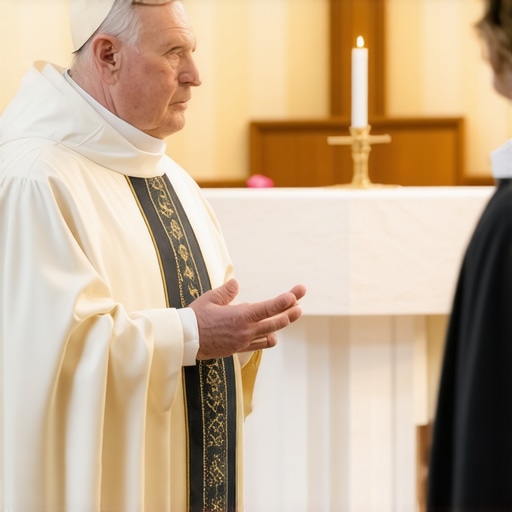
It was late one stormy evening when I sat across from a young woman trembling in her chair, her eyes darting wildly, whispering incoherent words. She wasn’t acting like someone with depression or anxiety; this was something darker, more relentless. As a Norfolk priest deeply involved in delivering spiritual help, I’ve seen many cases, but that night marked a stark realization: not every distress calls for medicine—sometimes, what appears as mental illness might be something else entirely. This moment made me wonder—how do we properly distinguish between the two?
Why Knowing the Difference Can Save Lives
Could It Just Be a Mental Health Issue?
Would you recognize the signs of spiritual distress, or might you be mistaken? If you’re uncertain or worried about a loved one, understanding the real differences can help you act wisely and compassionately. These insights aren’t just theoretical—they’re grounded in both theology and real-life experience, and they can help you navigate complex situations with confidence. Ready to learn how to tell the difference? We’ll explore the practical steps to distinguish spiritual needs from psychological ones in the next sections.
Perform a Thorough Initial Assessment
Begin with a comprehensive interview—ask about the individual’s history, behaviors, and symptoms. Use a checklist like the one outlined in this guide to identify signs of genuine possession versus psychological issues. During my case involving a young man exhibiting violent tendencies, I meticulously documented his pattern of episodes, noting that seizures or hallucinations often differ from signs of spiritual oppression.
Differentiate Based on Physical Symptoms
Observe physical manifestations: demonic activity may involve unnatural strength, aversion to sacred objects, or violent reactions to holy water—signs detailed in this resource. Unlike mental illness, which might respond to medication, spiritual affliction often resists natural remedies. During one house blessing I performed in a Capitol Hill DC residence, the client reported objects moving and chilling sensations—clues indicating spiritual presence rather than a health issue.
Implement a Spiritual Discrimination Protocol
Use prayerful discernment—call upon prayer teams or fellow clergy for support. Pray specific prayers for discernment outlined in this article. This collaborative process helps verify claims; for instance, in a Richmond case, gathering multiple perspectives prevented mislabeling a psychological episode as possession, ensuring proper procedure.
Engage Medical Evaluation When Necessary
Always recommend a medical assessment to rule out physiological causes. This isn’t about dismissing spiritual issues but ensuring no underlying health condition is overlooked. The collaboration between medical professionals and spiritual practitioners is emphasized in official procedures. For example, I advised a Virginia family to get a neurological exam for their daughter exhibiting bizarre behaviors, leading to a clear diagnosis and appropriate treatment, avoiding unnecessary ritual trauma.
Use Ritual as a Confirmatory Step
Once clinical and spiritual signs align, prepare for a formal exorcism or deliverance prayer. Familiarize yourself with the process by reviewing the standards in this resource. During my last exorcism in Alexandria, I carefully followed each step, ensuring each prayer addressed specific recognized symptoms—yielding a more effective and respectful ritual.
Ensure Proper Documentation and Follow-up
Record observations, actions taken, and the individual’s response throughout the process. Follow-up is crucial—spiritual afflictions often require multiple interventions, much like the layered approach outlined in this detailed guide. After a deliverance, I remained in contact with the family, guiding them through spiritual protections and continued prayers, which prevented the recurrence of symptoms.
Many believe that any unexplained activity in a home or individual automatically warrants an exorcism, but this oversimplification can be dangerous. In my experience, one of the most prevalent misconceptions is that rituals are instant fixes; however, effective exorcisms often involve a lengthy process that requires careful assessment, collaboration with medical professionals, and adherence to strict protocols outlined in this resource. Jumping into a ritual without proper discernment can lead to spiritual harm or overlooking underlying health issues.
Keeping It Working: Essential Tools for Sustained Spiritual Warfare
As a seasoned exorcist and deliverance minister serving in Washington DC and Virginia, I emphasize that maintaining the effectiveness of your spiritual tools is crucial for long-term results. Regularly calibrating your approach ensures ongoing protection and success in confronting spiritual disturbances. One vital aspect is the systematic use of holy water, which should be consistently blessed and stored in accessible containers around your home or ministry space. Remember, the power of holy water amplifies during daily prayer routines, reinforcing spiritual defenses.
Another indispensable tool is a reliable prayer manual specifically tailored for exorcisms and spiritual deliverance. I personally recommend having a copy of the Rite of Exorcism readily available, but supplement it with a guide that includes contemporary prayers and prayers of protection. Consistent study and meditation on these prayers deepen your resonance with divine authority, making the rituals more effective. To streamline your process, I use a structured prayer journal to record observations, prayer responses, and any signs of spiritual activity. This practice not only tracks progress but also highlights patterns vital for future interventions.
In terms of physical tools, I recommend a set of blessed relics – crucifixes, medals, or saints’ images – strategically placed around the environment. These serve as tangible symbols of divine presence and are believed to ward off negative energies. I personally ensure these relics are regularly blessed by an authorized clergy member, maintaining their potency over time. Regular cleansing of these items with holy water or incense keeps their spiritual efficacy alive.
How do I maintain these spiritual tools over time?
Consistency is key. Schedule routine blessings of your relics and prayer space, ideally weekly, to ensure their spiritual vitality is preserved. Incorporate daily prayer routines that include invoking divine protection for yourself and your environment, especially when dealing with persistent spiritual disturbances. Staying connected with a community of trusted clergy or prayer groups, such as those affiliated with Catholic healing ministries in DC, can offer support and accountability. These groups often conduct group prayer sessions that strengthen your spiritual arsenal; participating regularly keeps your tools energized and effective for ongoing demonic resistance.
Looking ahead, I foresee a growing trend toward integrating technology with spiritual practices. Devices that remind you to pray, or apps that guide deliverance prayers, can greatly enhance your consistency. Moreover, virtual support networks allow for quick consultation and reassurance when confronting complex situations like haunted house exorcisms in DC. Ultimately, maintaining your spiritual tools isn’t a one-time effort but a dynamic, lifelong commitment that underpins successful spiritual warfare.
If you’re serious about long-term spiritual resilience, start by developing a disciplined routine of blessing your relics and prayer spaces. Consider setting up a dedicated altar with blessed items and establishing daily prayer times. These practices will fortify your spiritual defenses and keep your exorcism and deliverance efforts sustainable. For more advanced strategies tailored to specific situations, I encourage you to explore resources offered by reputable Catholic ministries or contact experienced exorcists who can guide you through establishing a resilient spiritual toolkit.
Remember: Your spiritual health depends on ongoing maintenance and vigilant practice. Ready to take the next step? Try implementing a daily blessing routine for your sacred items today and experience the difference it makes in your ongoing spiritual warfare.Uncover the Weird Truths That Changed My Perspective
Over years of navigating Virginia’s complex spiritual landscape, I’ve learned that the most profound lessons often come from unexpected encounters—like a seemingly simple case turning into a deeper understanding of spiritual warfare. Often, the signs of genuine possession are subtle, revealing truths only to those with a trained eye and open heart. Recognizing these hidden cues can mean the difference between ineffective rituals and true liberation. Trust me, the real insight lies beneath the surface, requiring patience, discernment, and a willingness to see beyond the obvious.
My Favorite Tools for Lasting Spiritual Resilience
Building a resilient shield against spiritual disturbances involves more than just prayers; it’s about integrating powerful resources. I rely heavily on meticulously blessed relics, regularly updated prayer manuals that include both ancient rites and modern supplications, and community networks of trusted clergy. These tools keep my spiritual arsenal sharp, especially when facing persistent or sophisticated demonic resistance. Incorporating technology, such as apps for daily prayer reminders, has also enhanced my ability to maintain consistent spiritual discipline, which I consider vital for sustained protection.
Your Next Step Toward Spiritual Power
If you’re committed to rising above spiritual challenges in Virginia or anywhere else, remember that consistent, intentional effort is key. Setting aside daily moments for blessing your sacred items, engaging in prayer routines, and connecting with a support community can empower your journey. Don’t wait for a crisis to act—start today. The future of your spiritual warfare success depends on the actions you take now. Ready to deepen your defenses and experience divine protection firsthand? Begin by implementing a simple daily blessing routine and observe how it transforms your spiritual resilience.