

Have you ever felt an inexplicable heaviness in your home or a sudden surge of fear that seems to come from nowhere? I remember one night in Alexandria when I woke up to strange noises and a chilling presence that I couldn’t explain. At first, I dismissed it as my imagination, but as days went by, the disturbances only worsened. That moment was a lightbulb for me—many spiritual issues, especially in a place layered with history and activity like DC, begin with an open door.
Unlocking the Hidden Causes Behind Spooky Encounters
In my experience, the biggest mistake people make is ignoring the initial signs of spiritual intrusion. Sometimes, a minor disturbance or unsettling feeling is dismissed as stress or fatigue. But what if it’s a warning sign—a door left unintentionally ajar, inviting negative energies in? That’s exactly what I discovered when I sought help from trusted sources like Virginia’s official exorcists. They confirmed that many cases of spiritual unrest originate from unresolved openings—whether that’s activities like dabbling in the occult or neglecting home blessings.
If you’ve faced unexplained phenomena, you’re not alone. Spiritual issues, particularly in places like Washington, DC, often reflect deeper vulnerabilities that need addressing. But how do these open doors happen? And more importantly, how can you recognize when it’s time to seek professional help?
Is Seeking Help Really Necessary?
Many skeptics think that all spirits or disturbances are just psychological. I used to believe that myself until I encountered situations that defied logical explanation. Early on, I was tempted to ignore or dismiss the signs, thinking it would pass. But ignoring them only amplified the problem. It was a mistake I paid for dearly—because neglecting spiritual warnings can allow darkness to take root and grow stronger.
The good news? You don’t have to navigate this alone. Recognizing the initial open door—small signs that something is amiss—is crucial. Once identified, taking the right steps, like consulting with a qualified Catholic exorcist, can restore peace and protect your loved ones.
In the next sections, I’ll share practical insights on how to spot these signs, avoid common pitfalls, and take action safely. If you’re tired of feeling vulnerable and ready to reclaim your space, you’ve come to the right place. Let’s dive deeper into how you can identify and close those spiritual doors before they lead to a full-blown crisis.
Begin with Genuine Contrition and Prayer
Before any ritual, foster a sincere attitude of repentance—confessing personal faults and seeking divine mercy. Think of this as preparing the soil before planting; a heart pure and open ensures the roots of spiritual intervention take hold effectively. During my first attempt at a minor exorcism, I started with the holy rosary and personal prayer—this simple act shifted my focus from fear to faith, laying a foundation for the ritual. Remember, prayer for exorcism dc and similar prayers are not just words—they are spiritual weapons grounded in humility and authority.
Seek Authority Through Proper Channels
Real exorcisms require church authority—these are not DIY projects. Approach your local parish or a Catholic exorcist archdiocese washington for official guidance. A priest authorized by the diocese acts as an agent of Christ, equipped to perform rituals that are recognized and valid. I learned this firsthand when I contacted a diocesan exorcist washington dc; their meticulous procedures underscored the importance of authority, similar to a lawyer needing proper licensing to practice law.
Prepare Your Space and Environment
Clear physical clutter and light candles or holy water to sanctify your surroundings. Think of this step as setting a stage—removing distractions fosters a focused atmosphere conducive to spiritual work. During my own ritual, I sprinkled holy water and placed a crucifix prominently; it created a sacred boundary that spiritual entities recognized. For a more comprehensive approach, consider consulting resources like how to build a spiritual shield.
Use Proper Rituals and Prayers
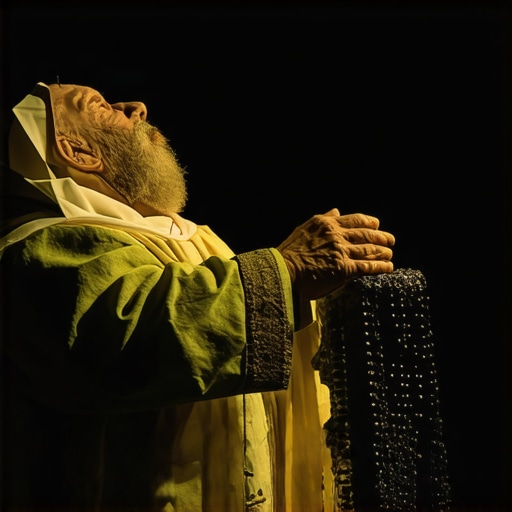
Follow established Catholic protocols such as the Virginia exorcism procedures. These rituals often involve the commanding authority of the priest, invoking the Name of Jesus and the Holy Spirit. During my experience, reciting the Exorcism Prayer of St. Michael provided focused spiritual protection; it’s like wielding a spiritual sword that cuts through darkness. Be unwavering and authoritative in your voice—this is crucial for the ritual’s efficacy.
Engage in Active Spiritual Warfare
Maintain continuous prayer and fasting as this strengthens your spiritual resilience. Consider forming or joining prayer groups, which act as collective shields against persistent negative energies. I personally found that regular prayer, combined with daily prayer, fortified my defenses, making subsequent rituals more potent. Think of spiritual warfare as a battle—consistent effort and faith are your best artillery.
Follow Up and Maintain Vigilance
After the ritual, observe for residual activity and continue prayers for protection. Sometimes, multiple sessions are necessary—think of it like peeling layers from an onion until the core issue is addressed. Keep a journal of signs and experiences, and don’t hesitate to consult a priest if disturbances persist. Remember, engaging in documentation of spiritual activity can support ongoing support from church authorities. Regular sacramental living and frequent confession also serve as ongoing shields, preserving your spiritual health.
Many people believe that simply reciting prayers like the Virginia or DC exorcism prayers guarantees spiritual protection, but this oversimplifies a complex reality. The truth is, genuine exorcism involves rigorous protocols and church authority; it isn’t a matter of just reading a prayer aloud. A common misconception is that anyone can perform a deliverance or exorcism after watching a few videos or reading quick guides. This can be dangerous because improper procedures may inadvertently weaken spiritual defenses rather than strengthen them. For instance, attempting a haunted house exorcism in Virginia without proper authorization risks exacerbating the problem or luring entities that aren’t truly harmful. Moreover, many think that exorcism is solely about casting out spirits and ignore underlying issues like unforgiveness or generational curses, which require ongoing spiritual work and healing. A more nuanced understanding reveals that genuine exorcism is part of a broader pastoral process, involving confession, prayer, and sometimes collaboration with mental health professionals; this collaboration is vital in modern practice. The Catholic archdiocese in Virginia emphasizes the importance of authentic, church-sanctioned procedures, which protect both the priest and the individual from potential harm. Think about it: approaching a qualified diocese exorcist in Washington DC ensures the ritual is valid and effective, grounded in doctrine and experience. Improper implementation can lead to spiritual backlash or a false sense of security. Have you ever fallen into this trap? Let me know in the comments. Another mistake is believing that exorcism or prayer can be rushed. Spiritual cleansing is often a process that requires patience, perseverance, and ongoing spiritual discipline—shortcuts or superficial rituals rarely produce lasting results. The key is to approach these practices with humility, seeking guidance from authorized church ministers rather than self-appointed practitioners. For further insight, consider exploring how to properly support spiritual warfare in DC as part of your protection strategy. Remember, confronting spiritual issues with a responsible approach safeguards your peace and wellbeing, avoiding pitfalls that could complicate matters.
Once you’ve taken initial steps to address spiritual disturbances, maintaining that spiritual resilience becomes crucial. Consistent practice, supported by effective tools, ensures long-term protection against negative energies or unwanted influences. For many, integrating specific instruments and methods into their daily routine can make a significant difference.
Invest in Holy Water and Salt Containers
Holy water has been a staple in Catholic spirituality for centuries. I recommend keeping a small container of blessed holy water accessible at all times, especially near entrances and windows. Regularly sprinkling it around your home, particularly in corners or places where disturbances occur, helps establish a sanctified boundary. Pair this with salt—a natural purifier—by placing bowls of blessed salt in key areas. These simple yet powerful tools form a protective barrier grounded in tradition and faith.
Use a Cross or Crucifix as Your Spiritual Anchor
Having a consecrated cross or crucifix visible within your living space serves as a constant reminder of divine authority. I personally hang a crucifix prominently in my prayer room, which acts as a focal point during spiritual routines. When you feel tensions rising, simply gazing at this symbol reinforces your connection to Christ’s power, aiding in the act of spiritual warfare.
Apply Biblical and Prayer Apps for Daily Devotion
Technology can be a helpful ally. I utilize reputable prayer apps that offer guided prayers for protection, deliverance, and intercession. These tools enable me to stay consistent, even during busy days, and provide access to powerful prayers like the prayers for exorcism dc. Consistent prayer enriches your spiritual armor, making it more resistant to external attacks.
Maintain Regular Confession and Spiritual Counseling
Ongoing sacramental life and spiritual guidance are invaluable. I schedule regular confession sessions to cleanse my soul and address vulnerabilities. In conjunction, seeking advice from trusted priests or deliverance ministries helps identify emerging spiritual threats before they escalate. According to diocesan protocols, ongoing pastoral support is vital in sustaining effective spiritual defenses.
Integrate Protective Prayers into Your Routine
Prayers like the St. Michael Prayer are powerful tools for spiritual protection. Reciting them daily or during moments of unease creates a shield against persistent annoyances or intrusive thoughts. Combating spiritual heaviness becomes manageable with the discipline of dedicated prayer, which, when combined with the right tools, fortifies your defenses over time.
Where Are We Heading with Spiritual Warfare Tools?
Moving forward, I predict a rise in the use of digital spiritual tools tailored specifically for exorcism and deliverance support. As technology evolves, so will apps that incorporate verified prayers, guided rituals, and even virtual consultations with certified exorcists. Maintaining control over spiritual well-being will likely involve integrating these advanced resources seamlessly into daily life, making protection more accessible and effective.
How do I keep my spiritual defenses strong over time?
The key is consistency—integrating these practical tools into your daily routine, seeking ongoing guidance, and staying vigilant. Remember, the spiritual landscape is always shifting; staying proactive with reliable equipment and methods ensures you’re prepared for the next challenge. For more personalized insights, consider consulting established resources like the Catholic healing ministry in DC.
As an extra tip, explore how using a dedicated prayer journal can help track signs of spiritual harassment and the effectiveness of your efforts. By keeping a detailed record, you can identify patterns and adjust your strategies accordingly. Remember, spiritual protection isn’t a one-time act but a continual process that adapts with your spiritual growth.

Throughout my journey into spiritual protection, I’ve uncovered lessons that only experience and dedicated study can teach. One profound insight is that genuine exorcisms are rarely quick fixes; they require deep faith, proper authority, and ongoing vigilance. I’ve learned that trusting the process and avoiding shortcuts are vital—any attempt to perform a ritual without proper church authority can do more harm than good. Additionally, consistently daily prayer and sacramental living act as the unseen shields against spiritual darkness, reinforcing the power granted through authentic rituals. Another key lesson is that recognizing the signs of open doors—such as recurring disturbances or unexplained phenomena—can be your first step toward peace, provided you act promptly and with discernment. Finally, I discovered that building strong relationships with trained Catholic exorcist archdiocese Washington figures and adhering to approved protocols ensures safety and efficacy, turning your home into a fortress of faith and protection.