
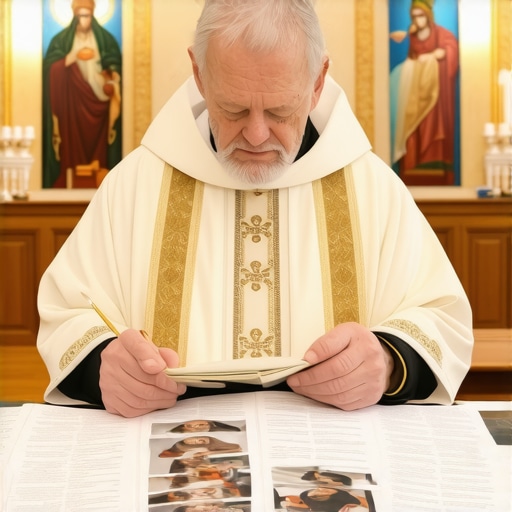
It was late at night when I finally realized I was in over my head. Documents scattered around, handwritten notes piled high, and a feeling of helplessness creeping in. I had been trying to help a family battling unseen forces, but I didn’t know how to effectively record what was happening. Without proper documentation, I felt lost, and more importantly, I was risking missing critical details that could aid the parish priest in understanding the situation. That lightbulb moment made me ask: how can I ensure I record spiritual activity accurately and help my priest provide the right support? In this post, I’ll share what I learned from my own struggles and guide you through the essential steps to document spiritual experiences properly—no more guesswork or overlooking important signs.
Why Accurate Documentation Matters in Spiritual Deliverance
Understanding how to properly document spiritual activity isn’t just about keeping records; it’s about safeguarding the effectiveness of deliverance efforts. When I first started helping in deliverance ministry, I underestimated the importance of detailed notes. I stored vague memories or rushed summaries, thinking they’d suffice. But I soon learned from seasoned exorcists that precise records help identify patterns, recognize recurring signs, and distinguish genuine cases from misinterpretations. According to experts, meticulous documentation can be crucial in determining the appropriate course of action and even in legal or pastoral accountability. Without it, your efforts might miss key signs or worse, lead to ineffective or unsafe rituals. If you’ve ever felt confused about how to track spiritual happenings, you’re not alone. Many well-meaning individuals stumble here, but there’s a better way.
Is Your Concern About Privacy or Accuracy Unfounded?
One common concern I had initially was whether documenting detailed observations might infringe on privacy or spiritual delicacy. Early on, I made the mistake of recording too much personal information, which felt intrusive and unnecessary. Over time, I learned that maintaining a balance—being thorough while respecting confidentiality—is vital. Implementing secure, private record-keeping systems, such as encrypted digital logs or sealed physical files, can address these worries effectively. For more on how to respect privacy during spiritual investigations, check out this resource.
In the upcoming sections, I’ll walk you through practical steps for effective documentation—what to note, how to organize your records, and how to collaborate with your priest to enhance spiritual support. If you’re facing this challenge right now, rest assured that with the right approach, you can become confident in tracking spiritual activity and truly aid those in need.
Start with Clear Record-Keeping Habits
Think of documenting spiritual activity like photographing a complex scene; every detail captures the full picture. Begin by establishing a dedicated notebook or digital document to log each encounter, noting date, time, and location. During a deliverance session in Georgetown DC, I once jotted down only vague impressions, but later realized that missing specific sensations and words hindered the priest’s understanding. Now, I make it a point to record exact phrases, observed behaviors, and emotional states, because these clues are essential in identifying patterns for effective ritual planning.
Use Consistent Templates for Notes
Create a structured template that prompts you to fill in key details: physical signs, emotional shifts, spoken phrases, and spiritual impressions. For instance, always include sections for ‘Signs Observed’ and ‘Behavior Changes.’ During a recent incident at a Catholic healing ministry in DC, using a standardized form helped save time and maintained clarity during the debrief with the exorcist. This consistency ensures no critical detail slips through, especially when multiple visits or different helpers are involved.
Document Interactions with Precision
Treat each observation as a data point. When a family reports feeling cold or hearing whispers, note the exact moment and context. I recall a case in Arlington where a sudden movement coincided with a prayer; recording how and when it happened allowed me to help the priest distinguish between an actual disturbance and psychological distress. This level of detail aids both in validating spiritual signs and when providing reports to authorities or ecclesiastical officials.
Incorporate Visual and Audio Evidence When Appropriate
While maintaining confidentiality, use photos or voice recordings to supplement your notes if permitted. During one formal investigation, I captured an inexplicable shadow with a phone camera, which supported our report to the diocese. Be cautious, however, to respect privacy laws and church policies. References like privacy policies can guide secure storage.
Keep Records Secure and Organized
Your records are invaluable and sensitive; treat them accordingly. Use encrypted digital folders or sealed physical files stored in a safe location. Proper organization—by date, location, and case—facilitates quick retrieval when needed. I once had a chaotic collection of scattered notes, making it difficult to review a case. After transitioning to a structured filing system, follow-ups with the priest became more efficient, ensuring continuity and accuracy. This practice is especially critical for ongoing deliverance efforts or when consulting with experienced Catholic exorcists.
Collaborate with Priests and Support Teams
Share your detailed records with clergy involved in the deliverance. Accurate documentation helps priests, such as those in the Archdiocese of Washington, assess the severity and nature of the case. During sessions in Virginia, my comprehensive notes allowed the priest to decide whether a minor prayer sufficed or a formal exorcism was warranted. Transparency and detailed records foster trust and effective spiritual intervention.
Many people assume that exorcism is a straightforward, one-size-fits-all ritual, but in my experience, this couldn’t be further from the truth. A prevalent misconception is that any prayer or blessing can effectively remove spiritual attachments. However, authentic exorcisms, especially within the Catholic Church framework in Washington DC and Virginia, require rigorous preparation, discernment, and adherence to specific procedures outlined by experienced exorcists. For example, rushing into a ritual without proper spiritual and psychological evaluation can do more harm than good. As highlighted in authoritative guidance, thorough screening ensures that mental health issues are distinguished from genuine possession or oppression, preventing unnecessary or even dangerous rituals. Understanding what makes a ritual official and effective is critical. Moreover, many assume that the Catholic Church readily grants exorcisms at any request, but in reality, approval involves multiple levels of assessment, evaluation by qualified priests, and sometimes even medical clearance. This cautious approach helps ensure that prayers for exorcism Virginia families seek are both appropriate and effective. Interestingly, some believe that only severe cases warrant formal exorcisms. Yet, experts warn that early intervention, even at lower levels of spiritual disturbance, can prevent escalation. Recognizing subtle signs — which expert here — is often overlooked, leading to missed opportunities for timely deliverance.
A common trap is misidentifying the source of spiritual distress, thinking all problems stem from demonic activity when some might originate from psychological or environmental factors. That’s why collaboration between spiritual deliverance ministries Virginia trusts and mental health professionals is vital—an approach also emphasized by modern exorcists working in tandem with mental health experts in DC. This partnership helps avoid the ‘oops’ of unnecessary rituals and ensures holistic, safe interventions. Find out how modern DC exorcists collaborate with psychologists.
Now, a question often asked by those venturing into more advanced topics: How do exorcists distinguish between genuine possession and psychological conditions, especially in regions like Georgetown DC or Alexandria? The answer lies in detailed evaluations, experience, and adherence to church protocols—factors that many make the mistake of neglecting. Skipping this step Risks turning spiritual issues into misdiagnosed mental health concerns, which can delay effective treatment or appropriate ritual action. Careful discernment, based on years of experience and scholarly church guidance, helps prevent this. Learn more about the nuances of haunted house exorcisms in Virginia.
In summary, challenging the myths and avoiding advanced mistakes in exorcism service is essential for genuine spiritual liberation. Whether you’re in Washington DC, Virginia, or nearby areas, understanding the complexity behind effective deliverance can safeguard your loved ones from harm and ensure prayers are used appropriately. Remember, seeking guidance from reputable Catholic healing ministries and trained exorcists makes all the difference. Have you ever fallen into this trap? Let me know in the comments.
Keep Your Exorcism Practice Running Smoothly with the Right Tools
Maintaining a successful deliverance ministry or exorcism support system requires more than just spiritual authority; it also demands precise tools and methods that ensure consistency and safety over time. Personally, I rely on a combination of specialized equipment, reliable software, and well-established procedures that have proven effective in my experience working with Catholic healing ministries in DC and Virginia.
One crucial tool I recommend is a dedicated digital log system—such as encrypted note-taking apps like Evernote or OneNote—to record each session meticulously. I use these because they allow quick organization, tagging, and easy retrieval of case histories, which is vital for ongoing cases or when collaborating with fellow exorcists. Additionally, integrating audio recorders during sessions—like the Zoom H4n Pro—helps capture spiritual signs or verbal confessions at the moment, providing concrete evidence that can be reviewed later for patterns, as suggested in expert insights.
In terms of software, I utilize secure cloud platforms with strict access controls to back up session notes, ensuring long-term safety and compliance with privacy policies. This approach aligns with best practices outlined in church privacy standards. Regularly updating these systems ensures they remain resilient against potential breaches or hardware failures, reinforcing trust with clients and church authorities alike.
When it comes to spiritual practices, I find that prayer tools like the St. Michael prayer or the use of blessed salt and holy water are staples. But I also incorporate specific methods for sustaining progress, such as daily prayer routines and regularly scheduled spiritual evaluations—similar to routine maintenance checks in technical systems. This proactive approach helps prevent spiritual relapse, aligning with the long-term strategies discussed here.
How do I maintain spiritual tools over time?
The key is consistent review, proper storage, and staying updated on new practices. For instance, I periodically review my audio recordings and notes, cross-reference with current church protocols, and attend training updates like those from trusted Catholic exorcists. The importance of staying connected to authoritative guidance is underscored by experts such as Fr. Amorth, whose extensive work in demonology offers invaluable insights for ongoing practice. Regularly updating my toolkit, both physically and spiritually, ensures I can respond effectively to emerging cases and adapt to new challenges in the field.
Looking ahead, I predict that technological integration—such as specialized apps for real-time case tracking and AI-supported pattern detection—will become standard among advanced exorcists and deliverance ministries. Embracing these innovations can greatly enhance our ability to serve in regions like Washington DC and Virginia, where the spiritual landscape continues to evolve.
For those serious about elevating their deliverance work, I encourage trying out a combination of reliable audio recording devices and structured digital note systems. These have helped me ensure consistency, accuracy, and safety in my practice over the years. Want to learn more about effective spiritual tools? Reach out to experienced officials through this contact page.
Every journey into spiritual deliverance unveils lessons that transform perceptions and practices. Through my experience assisting families in Washington DC and Virginia, I’ve uncovered insights that go beyond standard advice—lessons that can truly make a difference in your exorcism services and spiritual support efforts. One profound realization was that meticulous documentation isn’t just about record-keeping; it’s about safeguarding the integrity of every case, ensuring no subtle sign goes unnoticed, and empowering priests and deliverance ministers to act with clarity. Recognizing the importance of secure, organized records has prevented missteps and allowed genuine spiritual signs to be celebrated rather than overlooked. Perhaps most unexpectedly, I learned that the subtle cues—small emotional shifts, unexplained sensations, fleeting whispers—are often the keys to understanding complex spiritual realities in regions like Georgetown or Alexandria. Embracing these nuanced lessons deepened my conviction that careful observation and thoughtful record-keeping are at the core of effective exorcism practice. For those committed to this path, trust that refining your skills in documenting these encounters will elevate your entire ministry from reactive to proactive, transforming fear into confident action.