

It was one of those nights I won’t forget—lights flickering, shadows dancing where they shouldn’t, and a creeping sense that I was losing control. I felt consumed by an invisible force, and in that moment, I realized something crucial: I needed more than just faith; I needed to understand the underlying cause of my distress. That lightbulb moment led me down a path many don’t consider—getting a thorough medical evaluation before seeking spiritual help. If you’re standing at this crossroads, wondering whether your experiences are purely spiritual or rooted in health issues, you’re not alone. Today, I want to share why the Richmond Diocese insists on a full medical assessment before any exorcism, and how this step can make all the difference.
Why a Medical Examination Comes First in Spiritual Battles
In my early days of encountering what I believed to be spiritual disturbances, I thought prayer alone could resolve everything. I overlooked a critical piece—my physical health. It was a mistake that many make: dismissing the importance of ruling out medical conditions that can mimic spiritual afflictions. Today, more dioceses recognize that mental health and physical health issues often intertwine with spiritual experiences, and ignoring this can be dangerous. The Richmond Diocese is particularly strict about requesting a full medical evaluation because, as studies show, symptoms like depression, anxiety, or neurological disorders can manifest in ways that resemble possession or demonic oppression. Understanding the difference is vital for both safety and effective support.
If you’re wondering whether your symptoms warrant such careful screening, consider this: The Church’s approach is rooted in a respectful integration of spiritual and medical care, ensuring no stone is left unturned. Seeking this comprehensive assessment reflects a commitment not just to spiritual liberation but also to your overall well-being. Think of it as a safeguard—protecting you from potential misdiagnosis and unnecessary trauma. To learn more about why modern exorcisms emphasize medical checks, visit the official Virginia exorcism procedures article.
Have you experienced symptoms that confuse you—physical pain with no clear cause, or psychological distress that won’t go away? If so, understanding the need for a proper medical assessment is the critical first step in your journey toward relief.
Initiate a Thorough Medical Evaluation
Before considering any spiritual intervention, schedule a comprehensive physical and psychological assessment. Contact local clinics or hospitals to arrange tests that rule out medical conditions mimicking spiritual disturbances. Remember, a proper diagnosis is like clearing the fog before navigating a dark road—necessary for safe passage.
Identify Qualified Spiritual Support
Seek out reputable Catholic priests or diocesan exorcists in Washington D.C. who specialize in deliverance ministry. Use official directories or trusted church references to find priests experienced in exorcisms, ensuring they adhere to the Church’s protocols. For instance, the official exorcist directory verifies credentials and experience.
Prepare Your Case for an Exorcism Request
Gather detailed documentation of symptoms, including dates, behaviors, and any triggering events. Write a clear account to present during consultations. This step is like assembling puzzle pieces—each detail enhances the priest’s understanding and guides the ritual. The first questions the priest may ask include background, mental health history, and spiritual signs; thus, being organized helps streamline this process.
Conduct a Spiritual and Psychological Screening
The priest will often collaborate with mental health professionals to ensure that psychological issues are addressed appropriately. This interdisciplinary approach is akin to a team of detectives solving a complex case—each expert provides insight. Expect that psychological assessments, like the ones described here, may be involved before proceeding with the rite.
Perform the Ritual According to Church Protocols
Once medical and psychological evaluations exclude other causes, the priest will prepare the sacramentals—blessed holy water, crucifix, and prayer books. The ritual itself resembles a precise dance—each movement and prayer has sacred significance. The priest may invoke specific prayers, such as the Roman Ritual, and sometimes involve assistants or a support team for safety and efficacy. During this, maintain a respectful environment, and follow the priest’s instructions carefully.
Implement Follow-Up and Support
Post-ritual, monitor emotional and physical health, and seek ongoing spiritual guidance. A single exorcism can be likened to clearing weeds from a garden—regular maintenance prevents regrowth. Engage with a local Catholic healing ministry or deliverance group in Virginia or D.C. to sustain spiritual health. The journey often involves multiple sessions, especially in complex cases, as indicated here.
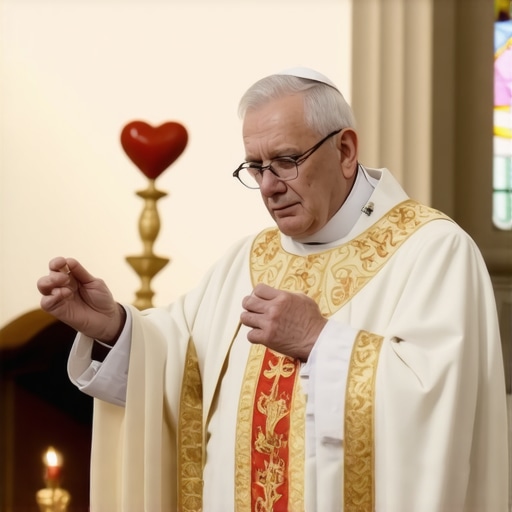 Many believe that exorcisms are straightforward rituals executed solely by priests, but in reality, the process involves nuanced protocols and critical discernment. A common misconception is that anyone claiming to perform an exorcism can do so legally and effectively. However, official Catholic exorcisms are tightly regulated, requiring proper vetting, medical evaluations, and adherence to church protocols to ensure safety and legitimacy. Jumping the gun or seeking unauthorized practitioners can be dangerous and counterproductive. For instance, many fall prey to secular or unlicensed deliverance ministries that lack ecclesiastical approval, risking spiritual harm and delaying genuine healing. The difference lies in the vetting process—official diocesan exorcists, like those in Washington DC and Virginia, follow strict guidelines, including psychological assessments and spiritual evaluations, as outlined in Virginia exorcism procedures.
What advanced signs distinguish spiritual possession from mental health issues?
Many people overlook subtle indications that differentiate genuine possession from psychological conditions. Signs such as aversion to holy objects, unexplained physical strength, knowledge of hidden spiritual matters, or distorted voice changes often point to a spiritual root, especially when medical and psychological evaluations yield no findings. Experts like Dr. Richard Gallagher, a Yale psychiatrist with experience in this domain, emphasize that careful interdisciplinary assessments are crucial before proceeding with any ritual, as detailed in their collaborative research. Jumping directly into exorcism without ruling out mental health issues can lead to retraumatization or escalation of symptoms. Therefore, understanding that the process requires a layered approach is vital for both safety and efficacy. If you’re seeking a trusted Catholic priest exorcist in Virginia or Washington DC, always verify their credentials and consult official resources to confirm their training and authorization. You can explore more about proper vetting and procedural standards at official exorcist protocols.
Feel like you’re caught in a spiritual trap? Recognize these nuances and seek authorized support to ensure your safety. Have you ever fallen into this trap? Let me know in the comments.
Keep Your Rituals Powerful: Tools I Recommend for Long-Term Success
Maintaining the effectiveness of Catholic exorcisms and deliverance ministries requires more than just faith; it involves utilizing precise tools and consistent methods. Over the years, I’ve refined a toolkit that ensures spiritual resilience and ritual precision. First, investing in high-quality holy water jars with secure lids prevents contamination and preserves its sanctity for ongoing use. Second, a reliable digital voice recorder, such as the Zoom H4n, helps document sessions—allowing practitioners to review and verify spiritual activity patterns, especially when subtle signs are involved, as highlighted in audio recording expertise.
Additionally, a set of sacramentals—blessed crucifixes, medals, and prayer cards—are essential. These serve as physical anchors during rituals, helping both the priest and the affected individual focus attention on divine power. For example, blessed oils, anointed and stored properly in glass bottles, are applied in spiritual cleansing and healing practices. I personally prefer oils infused with specific prayers, which can enhance the ritual’s potency over prolonged periods.
In terms of software, I recommend using spiritual monitoring apps tailored for prayer and meditation, such as ‘My Prayer Companion.’ These apps keep track of your spiritual routines and help maintain discipline, crucial for long-term resilience. They can also remind you to perform periodic spiritual cleansings, aligning with the Church’s guidelines for sustained protection.
Prediction-wise, I believe that integrating technological tools with traditional sacramentals will become increasingly common. As the church and faithful recognize the importance of consistency, innovations like encrypted session recordings or digital prayer logs will serve as vital safety nets, especially when coordinating with diocesan exorcists in Washington DC or Virginia.
How do I keep my spiritual defenses strong over time?
Consistency is key. Regular prayer, participation in Mass, and periodic spiritual assessments ensure your defenses remain robust against negative energies or attachments. Utilizing tools such as blessed salt or holy water for weekly blessings of your home can reinforce spiritual boundaries, reducing the likelihood of recurring disturbances. Practical methods, combined with diligent use of sacramentals and documentation, help prevent setbacks and facilitate quicker interventions when needed.
For ongoing support, consider connecting with established Catholic healing ministries, like those in DC, which combine prayer, ritual, and spiritual counseling for comprehensive care. These organizations often advise on the best tools and practices for long-term protection, as detailed here.
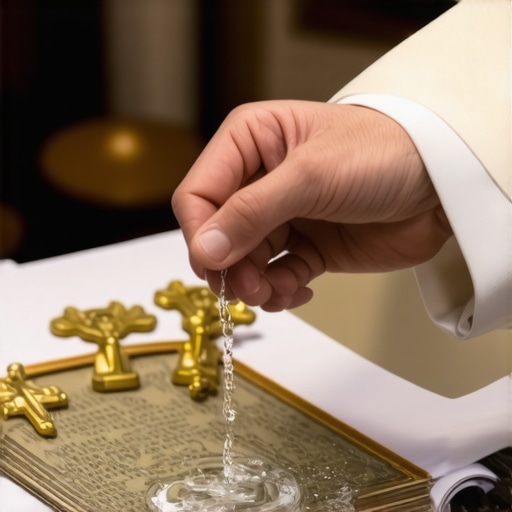
Incorporating these tools—whether sacramentals, digital aids, or regular spiritual routines—can drastically improve the longevity and efficacy of your spiritual battles. Start by integrating one or two of these recommendations today and experience the difference in your spiritual resilience.
Secrets I Discovered Beyond the Surface of Catholic Ritual Exorcism in DC
One of the most profound lessons I learned is that genuine exorcisms are as much about inner spiritual discipline as they are about the rituals themselves. The importance of a holistic approach, combining medical evaluations, psychological assessments, and spiritual preparation, cannot be overstated. I realized that patience and humility are essential—jumping into rituals without proper groundwork often leads to unnecessary trauma or delayed healing. The experience has taught me to trust in divine timing and the meticulous protocols upheld by reputable DC exorcists, ensuring safety and efficacy. Moreover, I discovered that ongoing spiritual maintenance—regular prayer, sacramental participation, and community support—are the true protectors against recurring disturbances, emphasizing that exorcism is often the beginning, not the end, of spiritual liberation.
The Power of Proper Resources and Trusted Guides
Over time, I found that having the right toolkit makes all the difference. Tools like blessed sacramentals, reliable prayer apps, and documented sessions help maintain clarity and control during and after rituals. Personal recommendations from experienced priests or credible ministries added layers of confidence, especially when navigating the complex landscape of deliverance in Virginia and DC. Prioritizing resources that are rooted in church authority—such as official exorcist directories and vetted healing ministries—ensures that I remain aligned with authentic church protocols, reducing risks associated with unlicensed practitioners.
Discouragements Transformed into Determined Action
Initially, it was disheartening to encounter misconceptions about exorcism being a quick fix or something accessible without proper vetting. These misunderstandings often lead to dangerous shortcuts or engagement with unqualified individuals. My journey taught me that perseverance, combined with a willingness to educate oneself and seek authoritative support, creates a resilient foundation. Recognizing the signs of genuine possession versus psychological issues prevented unnecessary fear and fostered a sense of empowerment. Connecting with official Catholic exorcists in Washington DC or Virginia through trusted channels turned skepticism into confidence. It’s a reminder that informed action rooted in church-approved procedures offers the best chance for lasting peace.