
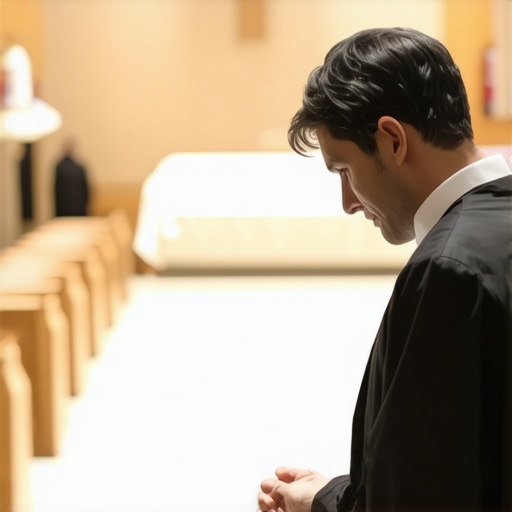
It was a quiet evening when I finally faced what I had been avoiding for months—admitting my struggles through confession. I remember feeling a strange mix of relief and hesitation. As I knelt before the priest, I realized that my prior attempts at exorcism and spiritual cleansing had been incomplete because I skipped this crucial step. That moment was a lightbulb—confession isn’t just about confessing sins; it’s about opening the door for genuine spiritual healing.
Why Confession Matters More Than You Think Before Deliverance
> I made the mistake early on of rushing into prayers without genuine repentance. This oversight, I now realize, could have limited the power of the rites I was about to undergo. It’s a common misconception that formal exorcisms alone can resolve deep-rooted spiritual issues. Trust me, I’ve seen cases where overlooked confessions have caused repeated attachments or hauntings. Doing thorough spiritual inventory and seeking honest forgiveness can drastically change the outcome of your deliverance process. If you’re worried that your situation might be more complex than just a simple prayer, you’re not alone. Many struggle with the same doubts, but understanding the right sequence can make all the difference. Remember, spiritual warfare isn’t just about casting out demons; it’s about building a solid foundation of moral and spiritual integrity first. Have you ever felt that your attempts at spiritual cleansing fell flat because you skipped this vital step? If so, you’re not alone, and there’s hope. In the next sections, I’ll guide you through practical steps to prepare yourself for effective deliverance. Because in my experience, starting with confession sets the stage for true freedom and peace. Before scheduling a spiritual deliverance, commit to an honest confession with a qualified priest. Think of this step as clearing out emotional and spiritual clutter, making space for genuine healing. To facilitate this, find a trusted Catholic priest experienced in exorcism procedures here. During confession, openly acknowledge your struggles, sins, and areas where spiritual weakness has taken hold. This sincere reflection lays a firm foundation for the subsequent healing process. Once you’ve confessed, proceed with a thorough spiritual assessment. Contact a certified Catholic exorcist or deliverance ministry in the Virginia or Washington DC area to conduct an evaluation of your case. Remember, not all situations require a full exorcism—some can be resolved through targeted prayer or blessing. This assessment is akin to a medical diagnosis before treatment—accurately identifying the problem ensures effective intervention. Learn more about how spiritual investigations are conducted here. In choosing a priest for deliverance, verify their credentials. Genuine Catholic exorcists follow strict protocols and belong to recognized dioceses. Be cautious of imposters who might offer unapproved rituals. For the standards and qualifications concerning official exorcism procedures, see this resource. An authentic exorcist will focus not just on ritual but on the spiritual well-being of the individual, ensuring the process aligns with the church’s doctrine. Transforming your physical space is just as vital as spiritual preparation. Cleanse your home by removing occult objects, symbols, or anything associated with negative energies. Use blessed water or salt as barriers against spiritual infiltration—these act like spiritual shields. For advice on home blessings in Virginia, visit here. Additionally, maintaining a prayerful atmosphere with the recitation of the rosary or specific prayers can reinforce your spiritual defenses. Fasting is a potent spiritual tool, symbolizing your surrender and dedication. It prepares your soul to be receptive to divine grace. Complement fasting with daily prayer sessions, focusing on asking for protection and liberation from any malevolent influence. These acts fortify your spiritual resilience and demonstrate your active participation in the healing process. For detailed prayer guides used by families in Virginia, see here. Post-deliverance, committing to regular prayer, confession, and community support sustains your spiritual health. Engage with your local parish or deliverance prayer groups that focus on healing and protection. Deepening your spiritual life creates a resilient barrier, preventing future attachments. To explore how continuous prayer aids in spiritual warfare, read this article. Many assume that requesting an exorcism or spiritual deliverance in Washington DC or Virginia is simply about confronting evil spirits, but there’s a crucial nuance that many overlook: the importance of authentic spiritual discernment and proper procedure. A common misconception is that anyone claiming to be an exorcist can perform legitimate rites, yet, according to expert guidance, the validity of a ritual hinges on adherence to strict Catholic protocols, like those outlined here. Rushing into deliverance without proper assessment often leads to ineffective results or, worse, spiritual harm, especially when unqualified practitioners attempt to conduct these sacred rituals. Many people mistakenly trust sensationalized media portrayals or unverified ‘spiritual healers,’ not realizing this can expose them to false exorcists operating in the shadow of the law. This misstep is what I call the ‘Oops’ factor—think of it as jumping into a medical procedure without a diagnosis. A false exorcist may not only fail to address the real issue but could also intensify the problem or create new spiritual vulnerabilities. Moreover, the myth persists that demon possession always manifests as dramatic, cinematic events—a misconception that distracts from subtler but equally dangerous attachments. For those in or near Virginia, understanding the signs of a genuine exorcist and the importance of procedural integrity can save you from falling prey to ineffective or harmful practices. A legitimate Catholic exorcist will focus on thorough assessments, involvement of Church authority, and precise ritual adherence, thereby minimizing risks. As demonstrated in numerous cases, the success of spiritual warfare depends on evaluating the root cause—be it spiritual oppression, obsession, or possession—and addressing it with the appropriate measures. Navigating this complexity requires more than intuition; it demands familiarity with church standards and experience. If you’re considering seeking exorcism services, it’s wise to verify credentials and learn about what makes a ritual official and effective. Remember, a rushed or ill-informed approach can do more harm than good. Have you ever fallen into this trap? Let me know in the comments. Understanding this hidden nuance empowers you to distinguish between authentic spiritual help and potential dangers, ultimately leading to a safer and more effective deliverance experience. When providing exorcism services in Washington DC or Virginia, having the right equipment is essential for consistency and effectiveness. I personally rely on a set of ritual tools that adhere strictly to Catholic protocols, ensuring each session is conducted with reverence and precision. Items like consecrated holy water, blessed salt, and specific relics are non-negotiable—they are the foundation of a successful exorcism. I recommend having a dedicated altar space with these items arranged systematically, which not only fosters a sacred atmosphere but also streamlines the process during intense sessions. Additionally, I utilize high-quality liturgical candles and incense that have been blessed for exorcisms. These contribute to creating an environment conducive to spiritual focus and protection. For digital support, I use a specialized prayer app that offers guided prayers and rituals aligned with Catholic exorcism procedures, which helps me stay consistent even during busy days. It’s crucial to ensure these tools are stored properly—kept in a sacred space where outside energies won’t contaminate them. Regularly inspecting and re-blessing items as needed enhances their efficacy over time. Long-term success hinges on a disciplined approach. I maintain detailed logs of each exorcism session, noting signs observed, tools used, prayers recited, and outcomes. This record-keeping is inspired by the process outlined in official church guidelines, which emphasize careful documentation for ongoing assessment and prayer support. It allows me to identify patterns, repeat successful rituals, and adapt approaches based on experiences. For example, if certain prayers seem particularly effective for recurring attachments, I focus on refining those techniques. Furthermore, scheduling regular spiritual cleansings of spaces using blessed objects and prayers helps prevent the resurgence of negative influences. I often tell clients in Virginia or Washington DC to integrate ongoing prayer routines—like daily rosary or specific house blessing prayers—into their lives. Maintaining this spiritual discipline acts as a barrier, strengthening defenses over the long term. For those interested, detailed protocols for such ongoing maintenance can be found here. Building a network of support—from local churches, prayer groups, to qualified priests—is vital for sustaining progress. I actively participate in Catholic deliverance ministries that focus on spiritual warfare, which provide ongoing training and shared resources. Connecting with others who understand the nuanced procedures enhances my confidence and effectiveness. In the future, I foresee a move towards more integrated approaches combining traditional rituals with modern spiritual psychology, as suggested in recent research on spiritual resilience (example source). If you’re involved in exorcism work in Virginia or DC, consider establishing relationships with vetted deliverance ministers or priests. Regular check-ins and shared prayer sessions bolster your defenses against unexpected spiritual setbacks. Maintaining an open dialogue with the church hierarchy ensures your methods stay aligned with church standards, especially given the strict protocols outlined when conducting Catholic ritual exorcisms in DC. Consistency in tools, meticulous record-keeping, and community engagement are key to long-term success. Investing in high-quality ritual items, maintaining detailed logs, and fostering relationships within the Catholic deliverance network ensure you’re prepared to handle ongoing spiritual challenges. Remember, as the protocols for exorcism emphasize, ongoing maintenance is as important as the initial ritual—neglecting it risks resurgence of spirits or spiritual oppression. For more on proper procedures and how to elevate your approach, check out this detailed guide. Try implementing a dedicated ritual toolkit and keep thorough records—small steps that make a significant difference in ensuring sustained spiritual liberation. Throughout my journey with spiritual deliverance in Virginia and Washington DC, I’ve learned that the most powerful transformations happen when we uncover these often overlooked lessons. One of the deepest insights I gained is how crucial it is to approach exorcism with humility and patience; rushing the process or skipping vital steps can diminish its effectiveness and risk spiritual harm. Trusting in authentic rituals, led by qualified priests who adhere strictly to church protocols, ensures a safer journey toward liberation. Moreover, I realized that building a resilient spiritual environment—through prayer, blessed objects, and community support—can serve as an enduring shield against future attachments. These lessons, some hard-won through experience, reveal that true spiritual healing is a holistic process, rooted in sincerity and reverence for divine authority. They remind us that genuine deliverance isn’t just about casting out spirits but about transforming our inner selves and living with spiritual awareness. For those embarking on this path, embracing these profound truths can deepen your faith, enhance your understanding, and lead to lasting peace.Begin with a Heartfelt Confession
Assess the Situation with a Spiritual Investigation
Recognize the Signs of a Genuine Exorcist
Prepare Your Environment
Engage in Fasting and Prayer
Implement Ongoing Spiritual Disciplines
Investing in Reliable Ritual Tools
The Power of Methodical Planning and Record-Keeping
Scaling Your Spiritual Defense with Community Support
How do I keep my exorcism practices effective over time?