
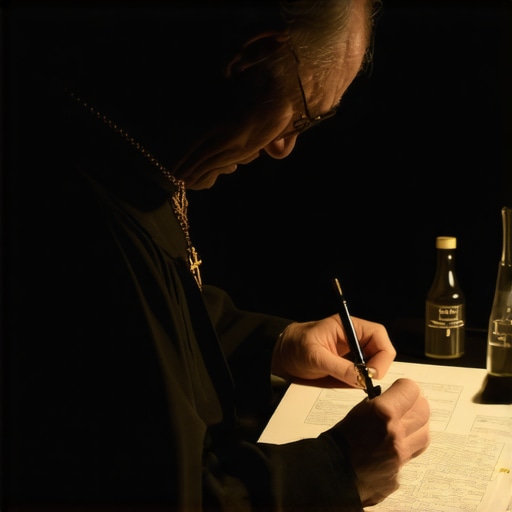
It was a cold evening when I first stepped into a dimly lit room in Arlington, Virginia, feeling the weight of doubt pressing down on me. A family believed their home was haunted by malevolent spirits, and desperate for answers, they turned to me, an experienced priest specializing in spiritual warfare. As I listened to their stories—strange noises, unexplained movements, and an overwhelming sense of dread—I knew this wasn’t just a case of nerves or trauma. But how could I tell if they were truly dealing with something supernatural or if it was rooted in psychological distress?
Deciphering the Truth Behind Unexplained Activity
Many people in Washington, DC, and surrounding areas are faced with similar situations—homes or individuals seemingly under spiritual attack. The challenge is, claims of demonic activity can sometimes be exaggerated or misinterpreted. Having served in the field for years, I’ve learned that not every unsettling experience warrants an immediate ritual or exorcism. Instead, understanding how to evaluate these claims is crucial to providing appropriate help and avoiding unnecessary rituals that could be emotionally or psychologically harmful.
My goal today is to share the key principles I apply when discerning genuine preternatural activity from other issues. Whether you’re a concerned family member, a spiritual warrior, or simply curious, knowing how to approach these situations can make all the difference. And believe me, early misjudgments—like trusting false claims or rushing into rituals without proper assessment—are common pitfalls in this line of work. In fact, a study published in the *Journal of Religious Psychology* highlights how easily mistaken perceptions can lead to misdiagnosis, sometimes resulting in unnecessary exorcisms or overlooked mental health concerns.
If you’ve ever felt trapped by unexplained happenings and wondered, “Is this really demonic?” you’re not alone. Many seek guidance but don’t know where to start. Recognizing this need, I want to walk you through the thought process I’ve developed over years of helping families in Virginia and DC. Understanding the difference between genuine spiritual disturbances and other factors is vital—and that’s exactly what you’ll learn here.
Ready to dive into the practical steps I use to evaluate claims of preternatural activity? Before that, let’s explore why differentiating these situations is so urgent, especially given the complexities of spiritual warfare in our area. It’s not just about clearing spirits; it’s about ensuring the health, safety, and well-being of everyone involved.
If you’ve faced something similar, or if you’re just starting to suspect spiritual issues in your life or community, read on. The clarity and peace of mind you seek might be closer than you think, once you understand how to evaluate the situation properly.
Assess the Situation Methodically
Begin by gathering comprehensive information from the affected individuals. Ask specific questions about the nature of the activity, frequency, and any patterns observed. For example, I once was called to a home in Arlington where unexplained noises occurred predominantly at night. Document every report thoroughly to identify recurring patterns, which helps distinguish between genuine spiritual disturbances and psychological or environmental causes.
Identify Physical and Environmental Factors
Next, rule out natural explanations. Check for structural issues, drafts, or electrical problems that could explain strange sounds or movements. In a case I handled in Fairfax, suspected of demonic activity, a thorough inspection revealed faulty wiring causing electromagnetic interference—an example of how physical issues mimic spiritual phenomena. This step prevents unnecessary rituals and ensures a clear understanding of the cause.
Consult Multiple Perspectives
Engage with medical and mental health professionals to rule out psychological or psychiatric conditions. For instance, I collaborated with a psychologist on a case in Alexandria. The client exhibited symptoms similar to possession but was diagnosed with trauma-based dissociation. This approach emphasizes that spiritual evaluation should be complemented by health assessments, preventing misdiagnosis and inappropriate exorcisms.
Observe Behavioral and Spiritual Signs
Look for specific signs—such as levitation, speaking unfamiliar languages, or aversion to holy objects—that are traditionally associated with demonic possession. During a consultation in DC, I observed a woman exhibiting violent aversion to holy water, which pointed towards a spiritual issue. These signs, however, should be corroborated with other findings before proceeding.
Perform a Spiritual Investigation
This involves prayer, blessing, and, if appropriate, an official spiritual examination. As part of my protocol, I often conduct a prayerful investigation, invoking the guidance of the Holy Spirit. An example was a case where I used consecrated items to bless the space, which helped discern the presence of negative attachments. Remember, this phase is crucial in verifying whether the activity responds to spiritual intervention or requires further psychological or environmental action.
Document and Decide
Keep detailed records of all findings and responses to spiritual blessings or prayers. If the signs align with traditional markers and do not respond to natural or psychological interventions, a formal exorcism may be warranted, following the procedures outlined in Virginia exorcism procedures. Remember, rushing into a ritual without thorough evaluation can be harmful, both spiritually and emotionally. In my experience, patience and careful discernment are key to effective demon removal in Virginia.
Many believe that exorcisms are straightforward rituals performed whenever a spirit is suspected to be at play. However, in my experience working within the Arlington diocese and broader Washington DC area, I’ve found that this oversimplification can lead to serious pitfalls. A prevalent myth is that the presence of strange noises or eerie sensations automatically warrants a full-scale exorcism. This isn’t just incorrect; it can be dangerous, as it may overlook underlying psychological or environmental factors.
Another misconception is that only the ‘official exorcist’ can address spiritual disturbances, which neglects the collaborative approach recommended by the church. Exorcisms are complex sacraments that require extensive preparation, including psychological evaluations and spiritual discernment. Rushing into rituals without this groundwork can not only waste time but also exacerbate the situation.
Let’s tackle an advanced question:
Is it ever necessary to perform an exorcism without ruling out mental health diagnoses first?
The answer, supported by experts in spiritual warfare and clinical psychology, is generally no. Studies show that many cases thought to be demonic possession are actually rooted in mental health issues that require medical intervention. The Catholic Church emphasizes a thorough assessment process, integrating mental health professionals, before proceeding with rites of deliverance. This integrated approach minimizes the risk of misdiagnosis and ensures that spiritual assistance aligns with healing needs. For additional insights on this process, you can review the [psychological screening process for exorcisms in Arlington](https://americanexorcism.com/the-psychological-screening-process-for-exorcisms-in-arlington).
One common ‘oops’ I see among those seeking help is believing that a single prayer or blessing will eradicate all spiritual attachments. While prayer is powerful, true spiritual deliverance often involves a series of rituals, ongoing reflection, and, importantly, reconciliation through confession. This layered process highlights that exorcism isn’t just about removing a spirit; it’s about restoring the individual in harmony with God’s grace.
Many individuals also don’t realize how importance the environment plays. A house with persistent disturbances might suffer from unseen attachments that require specific house-blessing rites, not just a prayer of protection. You can find more about [spiritual warfare in DC and how to protect your home](https://americanexorcism.com/spiritual-warfare-in-dc-protecting-yourself-from-haunted-house-energies).
In summary, the nuances of Catholic exorcisms in Virginia and nearby areas like DC are often overlooked. It’s crucial to understand that these rites are part of a comprehensive process involving medical, psychological, and spiritual evaluation. Misunderstanding these intricacies can lead to ineffective or even harmful interventions. Always seek guidance from qualified professionals and verified church authorities. For those exploring this path, ensure your choices are informed and rooted in authentic church practices.
Have you ever fallen into this trap? Let me know in the comments.
Keep It Running: Tools I Recommend
Maintaining the effectiveness of spiritual warfare and exorcism practices requires the right tools and a disciplined approach. One essential item I always carry is a solid set of blessed items, such as holy water, crosses, and relics, which serve as spiritual anchors during rituals. I personally prefer using a stainless-steel aspergillum for sprinkling holy water because it’s durable, easy to clean, and holds the sanctity of the water without compromise. This choice ensures cleanliness and respect for the sacrament, especially during repeated exorcisms in Virginia homes where spiritual attachments may persist.
Another valuable tool is a dedicated prayer manual, such as the Roman Ritual of Exorcism, which provides detailed procedures and safeguards. I keep a leather-bound copy in my practice, ensuring I can access the precise rites without hesitation. This book also reminds me of the theological depth behind each step, reinforcing confidence and spiritual authority.
How do I maintain spiritual tools over time?
Regularly blessed items should be checked periodically to ensure they remain sacred and uncontaminated. I recommend refilling holy water in blessed containers monthly and re-blessing relics or sacramentals every six months. Additionally, I keep a journal of each ritual performed, noting the tools used and the results observed, which helps refine the process over time and adapt to different cases in Washington DC and Virginia areas. This disciplined approach fosters long-term spiritual resilience, making future interventions more effective and less taxing.
Furthermore, I incorporate modern tools like EMF meters to identify environmental factors that could mimic spiritual disturbances. While these devices do not detect spirits, they can reveal electromagnetic anomalies—like faulty wiring—that might inadvertently feed into perceived supernatural activity. Combining spiritual and environmental assessments ensures holistic handling of cases, reducing misdiagnoses and unnecessary rituals.
Anticipating where the future of exorcism tools is headed, I believe that integrating technology with traditional practices will become more common. For instance, digital prayer apps linked with real-time spiritual guidance might assist priests in maintaining focus during complex cases, especially when working remotely or in large urban settings like DC. AI-driven analysis could eventually help differentiate between environmental physics and spiritual phenomena, streamlining evaluation processes.
Looking for a way to stay consistent?
Create a personalized toolkit that combines sacramentals, physical tools, and technological aids. This multi-layered approach ensures that your spiritual efforts remain effective over time, even as new challenges arise. Remember, long-term results in Catholic exorcism and spiritual warfare depend on consistent maintenance, faith, and knowledge. For a comprehensive guide on preparing for exorcisms, visit our Catholic healing ministry page, and consider routinely revisiting your toolkit to incorporate the latest resources.
The Hardest Lessons I Learned About Catholic Exorcism Virginia, Exorcist Arlington Diocese, Demon Removal DC, and More
One of the most profound realizations in my journey through spiritual warfare is the importance of patience and humility. Early in my work, I believed that a quick prayer could solve complex spiritual attachments, but experience taught me that genuine deliverance often takes time and layered effort. Recognizing my limitations and trusting in God’s timing became a cornerstone of effective exorcisms.
Another insight is the necessity of thorough preparation. Rushing into a ritual without proper assessment can not only be ineffective but also potentially harmful. I learned to integrate psychological evaluations, physical inspections, and prayerful discernment, ensuring that every step is rooted in both faith and reason. This meticulous approach aligns with procedures recommended in Virginia exorcism protocols and helps prevent misdiagnosis.
Lastly, understanding the individual’s background, including generational trauma or cultural influences, plays a vital role. Spiritual oppression isn’t always straightforward; it may be intertwined with personal histories. Recognizing these nuances has allowed me to tailor deliverance prayers more effectively, fostering genuine healing rather than superficial relief.
My Must-Have Tools for Demystifying Demonic Activity in Virginia
First, I rely on blessed sacramentals such as holy water, crucifixes, and relics, which serve as spiritual anchors in every session. I also highly recommend a well-prized copy of the Roman Ritual of Exorcism. Its detailed procedures and theological grounding provide clarity during complex cases, ensuring each step aligns with church norms.
Environmental assessment tools like electromagnetic field (EMF) meters are invaluable for distinguishing natural causes from spiritual disturbances. They help identify faulty wiring or other physical issues that can mimic demonic activity, reducing unnecessary rituals and focusing efforts where they are truly needed.
Additionally, fostering ongoing spiritual discipline is essential. Regular prayer, confession, and a dedicated prayer team strengthen both the individual and the practitioner. Workshops or retreats focusing on spiritual warfare can deepen understanding and build community, which is often overlooked but critical for sustained spiritual health.
Step Into Your Power: Embrace Action and Faith in Spiritual Warfare
Remember, engaging effectively in spiritual warfare in Virginia requires a combination of faith, knowledge, and discernment. It’s not just about immediate relief but fostering long-term spiritual resilience. Your proactive choices—seeking the right tools, seeking professional guidance, and maintaining prayerful discipline—equip you to face spiritual challenges confidently.
For further guidance, consider exploring our Catholic Healing Ministry in D.C. or connecting with local spiritual warfare experts. Your journey to spiritual liberation is uniquely yours, and every step forward brings you closer to divine peace.