
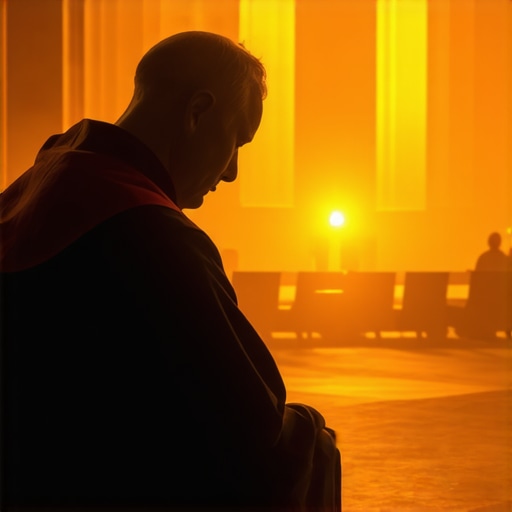
I remember the night clearly. It was cold, and the house in Alexandria had that unnerving silence, broken only by inexplicable noises that sent shivers down my spine. I was convinced my home was haunted, yet the more I involved myself, the more I realized that what I was experiencing might not be supernatural at all. It was a lightbulb moment—a revelation that many people overlook when facing what they believe are demonic disturbances.
Why it’s vital to understand the difference between trauma and the preternatural
Over the years, as a priest specializing in exorcisms in Washington, DC, I’ve encountered countless cases where, initially, the line between mental health issues and real spiritual affliction was blurred. Misinterpreting trauma as possession or vice versa can lead to unnecessary rituals or, worse, neglecting genuine spiritual crises. Recognizing this distinction saves lives and preserves the integrity of spiritual interventions.
If you’ve ever felt overwhelmed by bizarre occurrences—voices, unexplained movements, or heavy oppression—you might wonder, “Is this just stress or something more sinister?” You’re not alone. My early days were riddled with mistakes—mistakes that resulted from jumping to conclusions without proper discernment. For instance, I once recommended an exorcism for a family whose issues were rooted in unresolved psychological trauma. It was only after consulting with specialists that I realized the importance of proper evaluation before proceeding.
Is this truly worth the risk of misjudging?
The answer is a resounding yes. Misdiagnosing spiritual possession can have profound consequences, both spiritually and emotionally. It’s essential to approach these situations with caution, prayer, and knowledge. To learn about the signs indicating spiritual versus mental struggles or to seek guidance, consider reaching out to experienced exorcists or spiritual counselors. If you or someone you know is facing such battles, don’t hesitate to get help—[contact a trusted priest today](https://americanexorcism.com/contact-us) and ensure the situation is properly assessed.
Establish Trust and Accurate Evaluation
Begin by building rapport with the individual or family, ensuring they understand the importance of thorough assessment. Think of this as laying a solid foundation before constructing a house; without it, everything else falters. Conduct a detailed interview, noting behaviors, history, and recent changes. Refer them to qualified professionals if necessary, emphasizing that mental health and spiritual issues often intertwine. This step is crucial to avoid unnecessary rituals and to determine if a formal exorcism is appropriate. For example, I once advised a family to seek psychological evaluation before proceeding with any spiritual intervention, which prevented unnecessary ritual procedures.
Prepare the Space and Gather Essential Items
Ensure the environment is calm, quiet, and free of distractions. Gather items like holy water, crucifixes, blessed candles, and sacramentals such as salt and blessed oils. Think of this as arming yourself for a battle—each item serves as a tool of spiritual authority. Proper preparation enhances focus and creates a sacred atmosphere vital for effective prayer and ritual. In my experience, a well-prepared space allows both the priest and the family to feel secure and spiritually centered during the procedure. For more on home blessings, see https://americanexorcism.com/the-difference-between-house-blessing-and-exorcism.
Invoke Authentic Authority Through Prayer and Sacraments
Commence with traditional prayers, such as the Our Father, Hail Mary, and specific exorcism rites authorized by the Catholic Church. Use relics or sacramentals as channels of divine power—like a soldier confidently wielding sacred weapons. Remember, only a priest with proper mandate can legally and spiritually perform these rituals, similar to a licensed firefighter handling a blaze. Share your intention with divine authority explicitly, seeking God’s guidance and protection. During one case, I recited specific Latin prayers while unfolding blessed salt, which created a protective barrier for the participants, reinforcing the ritual’s effectiveness.
Address the Manifestations and Command with Authority
Identify the specific signs—such as unnatural movements, heavy pressure, or voice changes—and command them to leave in Christ’s name. Use clear, firm language that leaves no room for ambiguity. Think of this as being a captain issuing direct orders to disobedient soldiers; your words carry divine authority. Avoid emotional or fearful tone, as this can give power to the entity. I recall instructing a spirit to depart during an exorcism in Richmond, commanding it to leave the person’s body and place in Jesus’ name, which resulted in the audible retreat of the presence. For detailed procedures, see https://americanexorcism.com/richmond-exorcism-cases-when-to-seek-spiritual-healing-support.
Seal and Conclude the Ritual Safely
After manifest signs of deliverance, conclude with prayers of blessing and protection, such as the Prayer of St. Michael. Seal the space with holy water or salt to prevent re-infestation, much like locking doors after securing a home. Document any significant observations meticulously for follow-up or future reference. In my practice, I always emphasize the importance of ongoing prayer and sacramental life after an exorcism to maintain spiritual health. For additional guidance on post-ritual care, visit https://americanexorcism.com/maintaining-spiritual-health-after-exorcism.
Many people believe that exorcisms are dramatic spectacles reserved for Hollywood or haunted houses. However, in my experience, there are common misconceptions that can lead to ineffective or even harmful interventions. For instance, a prevalent myth is that any strange noises or possessions automatically warrant an exorcism. In reality, thorough discernment and understanding of spiritual versus psychological causes are crucial. Jumping into ritual without proper assessment is a trap that many untrained individuals or poorly informed practitioners fall into, potentially worsening the situation or causing spiritual harm.
Are All Cases of Possession the Same, or Is There a Deeper Layer?
One advanced misunderstanding is that all possessions or ghostly activities require the same approach. While some phenomena respond to prayer and blessing, others involve complex spiritual attachments or generational oppression that demand a strategic, layered approach. According to expert insights, rushing straight to an exorcism without examining underlying psychological, familial, or cultural factors risks misdiagnosis. In my work guiding families through exorcism in Alexandria, VA, I emphasize the importance of detailed evaluation—sometimes involving collaboration with mental health professionals—to avoid unnecessary rituals. The key here is recognizing the multifaceted nature of spiritual infestations and tailoring the response accordingly.
Building a Durable Exorcism Toolkit for Long-Term Results
Maintaining a consistent and effective exorcism practice requires more than faith alone; it demands specialized tools that enhance discernment and spiritual authority. As a seasoned priest in Virginia, I rely on a combination of sacred items, technological aids, and methodical procedures to ensure each ritual is both safe and efficacious.
One of my go-to instruments is a high-quality digital voice recorder. Used during exorcisms or consultations, it helps identify subtle vocalizations or unexplained noises that might go unnoticed in real-time. This data is invaluable for post-ritual analysis and helps distinguish genuine spiritual activity from psychological or environmental factors. For instance, specific audio patterns captured can point toward persistent attachments that need further intervention. To optimize this, I set the recorder to high sensitivity and review recordings in a controlled environment afterward.
Beyond audio equipment, I frequently utilize blessed sacramentals tailored for each case. Holy water remains an indispensable element—blessed on-site for each ritual—serving as a conduit of divine authority. Salt, blessed oils, and crucifixes, especially relics with recognized sanctity, are carefully selected for their spiritual potency. Regularly sanctifying these materials maintains their power and ensures they serve as effective tools in spiritual warfare.
What Tools Do I Use to Protect the Space and Maintain Spiritual Clarity?
For space cleansing, I employ a combination of ventilation techniques and sacramental blessings. Burning blessed sage or incense imbued with prayer adds a layer of spiritual shielding, and systematic grid setups with salt lines help contain and manage manifestations. Additionally, employing a prayer drone or ambient sound system with Gregorian chants or sacred hymns keeps a spiritual focus and suppresses negative energies. In Virginia, where historic locations often carry residual energies, this practice is particularly beneficial. For insights on historic hauntings, see this detailed guide.
Moreover, I prioritize ongoing education through reliable resources. The Official Exorcist Virginia offers in-depth insights into ritual nuances, ensuring I’m updated on best practices and new methods emerging within the Church. Keeping knowledge fresh helps adjust procedures to contemporary challenges and complex cases.
Prediction-wise, I see technology playing an increasingly pivotal role—integrating spectral analysis software or even AI algorithms to detect subtle supernatural signatures, especially in areas with a history of complex hauntings. Such innovations could revolutionize how exorcists map and analyze spiritual disturbances over time.
How do I Keep My Practice Effective Over the Years?
Consistent review and calibration of tools are essential. This involves regularly sanitizing sacramentals, updating audio recording equipment, and refining protocols based on ongoing experiences. Engaging with peer networks and spiritual training ensures that my methods remain aligned with Church standards and community needs. For ongoing support or to discuss your specific situation, consider reaching out to professional exorcists or local Virginia priests—via this contact page. For those interested in advanced tools, experimenting with spectral analysis apps, as discussed in this resource, could prove beneficial. Try integrating one or two of these methods and observe how they enhance your spiritual clarity and effectiveness in ongoing exorcisms.
Throughout my years of performing catholic church exorcism in DC and Virginia, I’ve learned that the heart of spiritual deliverance lies not just in rituals, but in genuine discernment and heartfelt humility. One profound lesson is realizing that no two cases are identical; each requires listening beyond the symptoms and trusting divine guidance over assumptions. Recognizing personal limitations reminds us that true authority in exorcism stems from a life rooted in sacramental grace and prayer rather than sheer ritual familiarity.
Another insight is the importance of patience and persistence. Sometimes, spirits resist initial commands, and progress appears slow. Yet, with consistent prayer and unwavering faith, even the most stubborn possessions yield. It’s essential to remember that spiritual warfare is often a marathon, not a sprint, and maintaining ongoing spiritual discipline beyond the ritual ensures lasting liberation.
Finally, I’ve discovered that community support and ongoing education are invaluable. Connecting with well-informed, reputable exorcists and participating in prayer groups fortifies our spiritual resilience. Continuing to study authoritative resources like official church teachings helps refine our discernment and approach. Personal humility, patience, and community—these are the unseen but essential elements that elevate our practice beyond mere procedures.
My Tools That Keep Me Grounded in True Authority
In my work with haunted house exorcism Virginia or exorcisms in Alexandria, I rely on a few crucial tools. First, a robust sacramental kit—holy water, blessed oils, relics—continually sanctified and prepared—are fundamental in empowering prayer. I also use a reliable digital voice recorder, which captures subtle spiritual noises or disturbances that might be missed in real-time, providing essential evidence during and after the ritual. Maintaining a prayerful mind before, during, and after the ritual is equally vital; it keeps my focus aligned with divine authority. For more on how to safeguard your spiritual space, check this guide on spiritual warfare in Washington, D.C..
Faith, Patience, and Heart—Your Secret Allies in Deliverance
If you’re feeling overwhelmed by signs of spiritual infestation, remember you are not alone. Trust in the power of sacramental prayer and the guiding authority of the Church. Consistent spiritual practice, like prayer and confession, and seeking help from qualified exorcists, can bring clarity and peace. Every act of faith renews your spiritual armor, preventing future infestations and strengthening ongoing liberation. Don’t hesitate to reach out for support—whether through prayer or professional ministry—your journey toward spiritual freedom begins with sincere steps. Have you taken the first step toward spiritual protection? Let me know below.
,