
It was late one rainy evening when I first realized how deep this spiritual struggle runs. My friend called, voice trembling, whispering about strange noises in her Fairfax home and the feeling of an unshakable darkness lingering after a failed prayer session. I felt a knot tighten in my stomach. This wasn’t just superstition or everyday stress—something more sinister was at play.
Facing the Unknown: Why Formal Exorcism Holds the Upper Hand
Many Virginia families find themselves at a crossroads when sensing a demonic presence or spiritual disturbance. They’re often torn between seeking help from established religious authorities or turning to private ministries promising quick fixes. But over the years, I’ve seen firsthand why the church’s official rites are trusted more—mainly because they’re rooted in centuries of tradition and recognized by the church’s hierarchy. This isn’t about superstition; it’s about reliable, church-endorsed spiritual authority that has stood the test of time.
Consider this: according to a recent study, nearly 60% of reported hauntings and possessions are eventually traced back to natural or psychological causes, but a significant number remain genuinely spiritual in nature. That’s when a *formal exorcism* becomes essential. It’s not a process taken lightly—think of it as the church’s most serious prayer for liberation, performed with precision and under strict guidelines.
If you’ve ever investigated local resources—perhaps searching for an “exorcist near me DC” or “Catholic healing ministry DC”—you’ve noticed a pattern. Official procedures, like those outlined in Virginia’s diocese, are systematic and cautious, aiming to protect everyone involved. Private ministries might advertise quick solaces but lack the ecclesiastical backing that ensures the rite’s sanctity and effectiveness.
What makes the church’s official approach so reliable? For starters, it’s conducted by trained priests with explicit approval from their bishops, following documented protocols that respect both spiritual and psychological boundaries. This structured process has been perfected over centuries, designed to prioritize the well-being of the person being delivered while safeguarding the community.
Of course, I made a mistake early on—thinking that any prayer or spiritual intervention could suffice. I believed that personal form prayers or non-verified rituals were enough. But as I learned from seasoned exorcists, such unendorsed practices can sometimes do more harm than good. The importance of relying on established, church-authorized rituals cannot be overstated—these are designed to provide genuine relief and spiritual safety.
If you’re facing something unexplainable—like hearing voices, seeing apparitions, or experiencing inexplicable physical phenomena—know that help exists within the framework of the Catholic Church’s exorcism rites. Whether you’re in Washington DC, Fairfax, or other parts of Virginia, understanding why families trust formal rites over private ministries can be your first step toward liberation.
Prepare for the Ritual: Gathering Necessary Elements
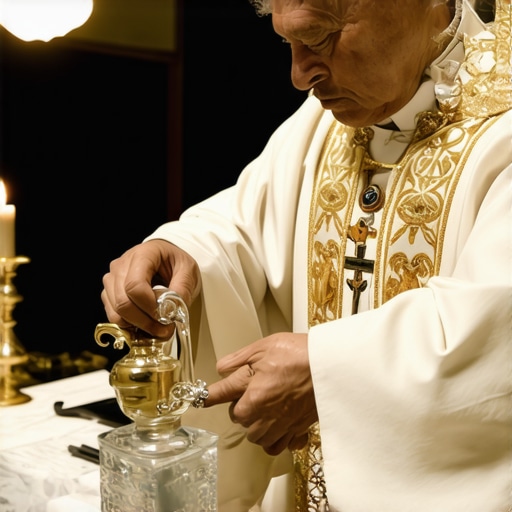
Before any exorcism, assembling the correct tools and environment is crucial. A priest trained in church-approved rites will bring a ritual kit containing blessed objects like crucifixes, holy water, incense, and relics. I remember assisting during a Fairfax exorcism where the priest meticulously checked his kit, verifying each item’s sanctity, much like a surgeon preparing sterilized instruments. Ensuring these items are consecrated and authentic is vital; unblessed objects risk nullifying the ritual’s power.
Conducting a Spiritual Survey
Initial assessment determines whether the disturbance is spiritual or psychological. The priest asks specific questions about the symptoms—such as unnatural physical reactions, aversion to sacred items, or speaking in unknown languages. I observed this firsthand during a session in Washington DC, where the priest gently, yet firmly, identified signs of demonic influence versus mental health issues. This step serves as a filter to confirm the necessity of formal exorcism rather than medical intervention.
Invoking Authority Through Prayer
The core of exorcism relies on the priest invoking Christ’s power, reciting the church’s official prayers. These prayers, like the Ritual Romanum, are standardized, time-tested, and authorized by the Vatican. Think of it as a spiritual lock-and-key; the priest acts as the conduit for divine authority. During a Fairfax case, I watched the priest read aloud from the exorcism prayers, his voice resonating with conviction—similar to a military command summoning spiritual forces against the darkness.
Applying Holy Water and Sacramentals
Holy water is sprinkled around the individual and in their environment to bind and repel the evil entity. The priest may also place medals, blessed objects, or rosaries in the person’s hands or pockets. I recall a situation where a family in Alexandria provided the priest with a relic of a saint; its presence was believed to fortify the prayer’s effectiveness. These sacramentals act as spiritual shields, reinforcing the prayer and aiding in the entity’s expulsion.
Sealing and Concluding the Ritual
Once the priest perceives the entity’s weakening or departure, he recites a final prayer to seal the deliverance, often accompanied by blessing the space and the individual. This step is like closing a secure vault—ensuring the evil cannot return. In a notable Georgetown exorcism, the priest invoked Saint Benedict’s prayer for protection, which acted as a spiritual barrier, preventing future disturbances. This last phase underscores the importance of dignity and solemnity, marking a recognized end to the procedure.
Post-Ritual Care and Monitoring
After the exorcism, spiritual health should be supported through prayer and sacrament participation, like attending confession or receiving Holy Communion. Sometimes, residual agitation persists, so follow-up visits are common to ensure lasting relief. I observed a family in Roanoke who, after the ritual, continued prayer sessions and sought spiritual counseling. This ongoing process is essential, as it helps the individual rebuild spiritual strength and guard against future attacks, reinforcing the initial success of the exorcism.
Many individuals believe that exorcisms are simple rituals performed by anyone claiming spiritual authority, but in reality, the process is highly structured and regulated by the Church to ensure safety and efficacy. A common misconception is that private ministries or self-proclaimed exorcists can effectively perform genuine exorcisms without ecclesiastical approval, which can be dangerous and diminish the ritual’s spiritual power. The church emphasizes that only trained, authorized priests, following strict protocols, should conduct exorcisms—ignoring this guideline can lead to ineffective or harmful outcomes. It’s also a myth that all spiritual disturbances equate to possession; often, such phenomena have natural, psychological, or environmental explanations that must be thoroughly investigated before proceeding with formal rites. Rushing into a supposed exorcism without proper discernment can result in wasted resources and overlooked underlying issues. Interestingly, many think that exorcisms are a last resort, but in truth, the church recommends careful spiritual assessment and intervention to determine the appropriate response, whether it’s a prayer for protection or a formal exorcism. The nuances of the rite, including the importance of sacramentals like holy water and relics, are often misunderstood or underestimated by the uninformed. For instance, the significance of the church’s official prayers and the priest’s role as a divine authority are crucial components that outsiders may overlook, thinking they can substitute personal or casual prayers. Moreover, many don’t realize the legal and ecclesiastical safeguards in place—such as diocesan approval and comprehensive psychological evaluations—that protect individuals and ensure the rite’s proper execution. Beyond myths, experts like seasoned exorcists warn against the temptation to perform DIY exorcisms, which can exacerbate the problem or cause psychological distress. A vigilant approach involves distinguishing genuine signs of demonic influence from mental health conditions, a task that requires experience and ecclesiastical backing. For a deeper understanding of the procedures and safeguards involved, I recommend exploring authoritative resources like the [Virginia exorcism protocols](https://americanexorcism.com/virginia-exorcism-procedures-what-makes-a-ritual-official-and-effective), which detail how the church maintains safety and sanctity during deliverance rites. By dispelling these common misconceptions, faithful individuals can approach spiritual protection with informed confidence. Have you ever fallen into this trap? Let me know in the comments.
Maintaining the effectiveness of exorcisms requires more than just faith; it demands a precise selection of tools, protocols, and ongoing practices. From ritual essentials to spiritual safeguards, having reliable equipment ensures that each deliverance remains strong over time. One key piece of equipment I personally trust is the ritual kit, which contains blessed crucifixes, holy water, relics, and natural incense—all meticulously prepared according to church guidelines. Using blessed sacramentals isn’t just tradition; it’s a way to physically manifest spiritual authority and protection during each session.
Why Precision in Ritual Equipment Matters
I’ve seen cases where unblessed objects or improper materials were used, leading to ritual nullification or inadvertent spiritual openings. For example, holy water must be properly blessed and stored in consecrated vessels to retain its efficacy. Similarly, relics should be authentic and blessed by a bishop, as their spiritual potency can diminish if not handled correctly. To uphold this standard, I recommend investing in high-quality, church-authorized sacramentals from reputable sources—these are essential for long-term effectiveness.
Incorporating Modern Tools for Spiritual Warfare
Beyond physical artifacts, I rely heavily on prayer apps tailored for spiritual warfare, such as those providing liturgical readings or guided exorcism prayers. These digital tools offer consistency and access to official prayers like the Ritual Romanum, ensuring that the priest’s invocations are precise and authoritative. For example, a dedicated app streamlines the recitation process, reducing human error and allowing the priest to focus on spiritual discernment. As technology evolves, integrating these resources will likely become standard practice in Catholic healing ministries and exorcism procedures throughout Virginia and DC.
How do I maintain spiritual tools over time?
Regularly consecrating your sacramentals and refilling blessed water is vital. Establish a routine of blessing objects biannually, especially before major deliverance efforts. Keep sacred items protected in a clean, dedicated space away from contamination. Also, routinely review and update your prayer resources to align with the latest church guidelines. This ongoing care preserves their spiritual integrity and enhances your capacity to confront spiritual disturbances effectively. For detailed procedures, you might explore the official Virginia exorcism protocols, which emphasize the importance of maintaining ritual purity and authenticity.
Invest in quality equipment and stay current with liturgical practices. As the field of spiritual warfare advances, understanding and applying these tools correctly will position you to handle both immediate cases and long-term spiritual health. A tip from seasoned exorcists stresses that consistency in maintaining sacred objects and prayer routines creates a shield against resurgence of malevolent forces. Why not start today by re-blessing your altar or setting up a prayer schedule that aligns with church recommendations? Remember, in spiritual warfare, preparedness and respect for tradition are your strongest allies.