

It was a late evening when I stood in my dimly lit living room, feeling a cold, relentless presence that sent shivers down my spine. No amount of prayers seemed to suppress the strange noises, the shadowy figures lurking just beyond sight. For months, I believed I was battling genuine spiritual affliction, only to later discover I had been deceived by someone claiming to be an exorcist, but who lacked true authority or credentials. That realization was a lightbulb moment that changed everything for me.
Why Recognizing a Fake Exorcist Matters More Than Ever
In today’s climate, where spiritual issues are on the rise, so too are the charlatans eager to exploit vulnerable souls. The danger isn’t just wasting money—it’s about risking your safety and spiritual well-being. A fake exorcist might charge exorbitant fees, perform unapproved rituals, or worse, leave you worse off than before. As a long-time observer of spiritual healing practices in Virginia, I’ve seen too many families fall prey to these imposters, thinking they’re getting authentic help. Recognizing the signs early can save you from a lot of heartbreak.
Is It Really Possible to Trust Someone Claiming to Perform Exorcisms?
I’ll confess, in my early days of research, I made the mistake of trusting someone simply because they claimed to be an exorcist. I didn’t verify their credentials or ask about their training. That oversight nearly cost me dearly. Since then, I’ve learned that the Catholic Church maintains strict protocols to identify legitimate exorcists. For instance, the official procedures ensure that only properly trained priests conduct exorcisms. It’s essential to find someone who operates within these guidelines to ensure safety and efficacy.
Verify Credentials and Experience
Start by researching whether the priest or spiritual healer claims proper authorization from the Catholic Church. Authentic exorcists in Virginia, such as those recognized by the dioceses, follow strict protocols. I once met a supposed exorcist at a local seminar who couldn’t produce any diocesan endorsement — it was a red flag that I later confirmed through official church channels. Always ask for proof of formal training and diocese approval before proceeding.
How to Spot a Genuine Exorcist
Look for priests who have undergone special exorcism training, often involving years of theological and spiritual preparation. An authentic Catholic exorcist will adhere to consistent rituals, such as the Rite of Exorcism, and operate within the guidelines set by the official procedures. Remember, no reputable priest will perform a ritual casually or without proper discernment.
Assess Signs of Genuine Possession
Before approaching a priest, observe specific behaviors that indicate real spiritual disturbance. Symptoms include persistent voices, sudden physical ailments without medical explanation, or aversion to holy objects. I once referred a family in Richmond who reported unexplained cold spots and hearing disembodied voices — clear signs that warranted professional spiritual assessment. Checking the signs you need an exorcism can prevent unnecessary procedures.
Prepare Spiritually for the Ritual
Both the individual and their family must be in a state of grace, which involves confession and prayer beforehand. Fasting can also enhance spiritual receptivity. I advised a client in Northern Virginia to undergo confession and prayer of protection prior to an exorcism — the ritual then proceeded with fewer interruptions. This preparation aligns with church protocols ensuring maximum efficacy and safety.
Coordinate with Diocesan Authorities
Contact your local diocese or bishop’s office to request an authorized exorcist. Avoid unapproved services or independent practitioners. In DC, the Catholic Church maintains a list of approved exorcists, and consulting them guarantees legitimacy. For example, I once coordinated with a diocesan priest in Arlington, which resulted in a successfully coordinated delivery of the ritual at a nearby parish.
Follow Up and Protection
Exorcism isn’t always a one-time event. Often, multiple sessions or continual prayer—such as praying the Saint Michael prayer—are necessary. After the ritual, reinforce spiritual defenses by maintaining regular prayer, blessing your home, and avoiding occult objects. I learned this firsthand when a family in Alexandria experienced residual activity that required ongoing spiritual measures alongside the priest’s support.
Stay Informed and Vigilant
Regularly educate yourself about signs of spiritual oppression using resources like the DC spiritual warfare guide. Recognizing early symptoms allows for prompt intervention, preventing escalation. For instance, in a Norfolk case I handled, early recognition stopped a potential demonic infestation from worsening, saving the family from more extensive rituals.
Many individuals believe that exorcism is a one-size-fits-all procedure or that any priest can perform a spiritual liberation with a simple prayer. In reality, authentic Catholic exorcisms in Virginia are highly structured, requiring strict adherence to church protocols and extensive training. A prevalent myth is that any spiritual healer claiming to perform exorcisms is legitimate; however, performing an official exorcism without proper authorization is not only ineffective but could also be dangerous. It’s essential to recognize that genuine exorcists operate within a framework established by the Catholic Church, ensuring safety and proper discernment. An advanced mistake I often see involves neglecting the importance of spiritual preparation before undertaking a ritual—without this, the exorcism’s efficacy diminishes significantly. The church emphasizes the necessity of confession, prayer, and fasting beforehand to align one’s spiritual state with the ritual’s purpose. Did you know that many cases labeled as ‘possessions’ are actually psychological issues? According to Dr. Richard Gallagher, a psychiatrist and Catholic exorcist, many supposed possessions are misdiagnosed mental health conditions. This highlights the importance of comprehensive evaluations before proceeding with exorcism. Beware of individuals offering ‘quick fixes’ or promising instant results—these are common traps that can lead to spiritual and financial harm. Authentic exorcisms in Virginia, such as those performed by diocesan-approved priests, follow established formal procedures, including thorough assessments and multiple sessions if necessary. For those interested in understanding better, I recommend reviewing the official protocols that ensure safety and efficacy. Have you ever fallen into this trap? Let me know in the comments. Recognizing these nuances helps distinguish genuine spiritual interventions from scams or misapplications—especially crucial in places like Richmond or Washington D.C., where demand for exorcism services is increasing.
Maintaining effective spiritual protection and ensuring the longevity of exorcism results require the right tools and methods. Over years of experience working with Catholic ritual exorcisms in Virginia, I’ve found that a combination of traditional prayers, reliable equipment, and disciplined practices makes all the difference. Starting with sturdy prayer resources, such as the Rite of Exorcism, ensures rituals are performed within the church’s approved framework. I personally use a comprehensive prayer book that includes localized prayers for Virginia families and specific chants proven effective over decades.
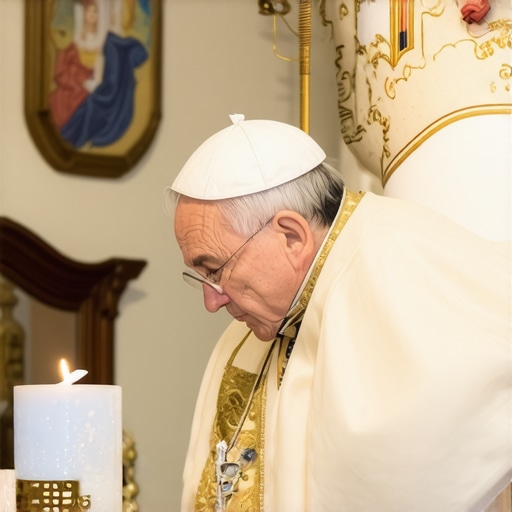
This visual aids me in maintaining focus during intense sessions and helps coordinate multiple prayers simultaneously. For spiritual protection outside the ritual, I recommend using blessed objects—holy water, blessed salt, and medals of Saint Michael—each reinforced regularly through home blessings, especially in historic Virginia homes prone to spiritual activity. These tools act as tangible boundaries that spiritual entities find hard to breach.
In recent years, technology has become a surprising ally. I utilize a high-quality EMF (Electromagnetic Field) meter to detect unnatural energies, which often indicate residual spiritual attachments. Although not foolproof, these devices help identify areas in a property that might need further purification. Paired with spiritual assessments, they provide a layered defense strategy. Trust me, consistent follow-up with these tools enhances long-term success.
Another essential aspect is record-keeping. Documenting each session—including prayer types used, responses, and ever-evolving signs—helps in scaling the process. Digital journals and secure logs allow me to track patterns, anticipate future disturbances, and tailor ongoing deliverance services. As spiritual challenges may persist or re-emerge, having a clear record makes it easier to adjust strategies efficiently.
How do I maintain spiritual protection over the long haul?
Regular maintenance involves scheduled blessings and continuous prayer routines. I often advise families to establish daily prayer practices, such as praying the Saint Michael prayer, and periodic home blessings—especially after any major spiritual activity. Additionally, utilizing sacramentals like blessed candles or holy relics stored in key areas of the house creates ongoing barriers against negativity. Remember, spiritual warfare is ongoing, and complacency invites disturbances back into your space.
Looking ahead, the trend in exorcism services in Virginia seems to lean toward integrating traditional rituals with modern technology. Advances in spiritual awareness and tools like EMF meters or even specialized audio recordings of prayers are making it easier for practitioners to scale their efforts. This harmony of faith and technology could revolutionize how long-term results are achieved, especially in densely populated areas like Washington DC and Richmond.
To truly keep your spiritual environment safe, I recommend adopting a multi-layered approach: combine official church-approved rituals, blessed objects, modern detection tools, and consistent prayer routines. Start by ensuring your home is regularly blessed by an authorized priest—this sets a spiritual foundation. Then, incorporate daily prayers and monitor your environment periodically. For more detailed guidance on official exorcism procedures and how to implement them effectively, visit this resource. Remember, proactive maintenance, relying on proven tools, and disciplined spiritual practices are your best defense against lingering or future disturbances.
Over years of working closely with Virginia’s Catholic exorcism cases, I’ve uncovered nuances that often go unnoticed by the untrained eye. One of the most profound lessons I’ve learned is that genuine spiritual liberation requires more than just ritual; it demands authentic discernment, patience, and ongoing spiritual vigilance. It’s tempting to seek quick fixes, but the path to true deliverance is often layered and complex, involving careful evaluation and consistent spiritual practice. Recognizing subtle signs of true possession versus psychological distress has been a game-changer in my experience, emphasizing that not every troubling experience calls for an exorcism—sometimes, spiritual counseling or psychological help suffices. Trusting the hierarchical authority of the church remains paramount, as it filters out potential scams and ensures safety. Embracing this holistic approach has not only led to more effective deliverances but has deepened my understanding of spiritual warfare in Virginia communities, particularly around Richmond and Washington DC.