

I remember a late evening in Washington D.C., when I felt an unexplainable heaviness in my home, like an oppressive weight pressing down on my shoulders. It was enough to make my skin crawl. I tried traditional methods—blessings, prayers, even calling on holy water—but nothing seemed to lift the dark cloud hanging over my space. That frustrating experience was my lightbulb moment: understanding that many local residents find that spiritual counseling often comes first, before any formal rituals are considered. This approach isn’t just a cultural preference—there’s real significance behind it.
The Power of Starting with Spiritual Counseling in D.C.
In the heart of our nation’s capital, spiritual challenges can be complex and deeply rooted. People often jump straight into rituals, hoping to banish what they feel is a disturbance. But in my experience and guided by seasoned practitioners, beginning with spiritual counseling lays a crucial foundation. It helps identify the true nature of the problem—whether it’s a simple ghostly activity or something more sinister like demonic influence. Plus, engaging in counseling can reveal underlying issues—emotional, familial, or spiritual—that need addressing, which ritual alone might not resolve. If you’re grappling with unexplained noises, strange occurrences, or persistent darkness, I urge you to consider this initial step. It’s a process that enhances your understanding, providing clarity before the heavier spiritual interventions. Want to learn more about how spiritual discernment lays the groundwork for effective exorcisms? Check out this insightful guide on spiritual discernment in Virginia. Starting with prayerful counseling isn’t just a cautious approach; it’s a wise one—grounded in both tradition and realism. Have you faced situations where you dove into rituals too quickly? If so, you’re not alone. Many, like myself, have learned that taking time to understand the spiritual terrain makes all the difference. From examining your home for hidden spiritual vulnerabilities to seeking guidance from qualified priests, this initial step can save you from unnecessary rituals and help you target your energies wisely. Our next step will explore how to assess the true severity of spiritual activity, so you can choose the right response. Remember, genuine spiritual deliverance begins with informed discernment—because rushing in blindly can sometimes do more harm than good.
Begin With a Precise Spiritual Assessment
Start by systematically observing and documenting the signs of spiritual disturbance. Look for physical indicators like unexplained noises, cold spots, or objects moving on their own. Keep a detailed journal of these occurrences, noting dates and times to identify patterns. This step is vital because, as experienced exorcists in Virginia explain, the goal is to distinguish between ordinary disturbances and genuine demonic presence. Remember that a thorough assessment informs the subsequent steps—skipping it can lead to ineffective or even harmful rituals.
Engage a Qualified Spiritual Discernment Process
Seeking guidance from a trained priest skilled in Catholic rituals is crucial. They will conduct spiritual discernment, which involves prayer, blessing, and sometimes a psychological evaluation to rule out mental health issues. Think of this as testing the waters before diving in; it ensures you don’t mistake mental health struggles for spiritual attacks. This process often reveals underlying vulnerabilities, such as attachment to objects or relationships, that can be addressed alongside formal exorcism procedures. For detailed insights, explore how spiritual discernment lays the groundwork for successful exorcisms in Virginia.
Secure Your Home With Protective Rituals
Implement targeted rituals to cleanse and protect your residence. Using blessed holy water, praying the Saint Michael prayer, and placing religious symbols in key areas can deter negative energies. For example, in one case I assisted in Arlington, a simple blessing with holy water and prayers significantly diminished the activity—though only after the initial discernment clarified the issue. Think of these rituals as spiritual fences, creating a safe perimeter. Remember, these are not standalone solutions but part of an integrated approach before more intensive procedures.
Escalate to Official Exorcisms When Necessary
If signs persist or intensify, the next step involves coordinating with an official diocesan exorcist in Virginia. The process involves a formal request, often initiated by a priest or bishop, to evaluate the case thoroughly. This is not a spontaneous ritual but a carefully controlled procedure rooted in the church’s authority. In my experience, the appointment of an exorcist usually follows after the congregation of witnesses and evidence collection, ensuring that interventions are justified and safe. For more on how official exorcists operate within Virginia, consult the church’s standards for effective Catholic rituals.
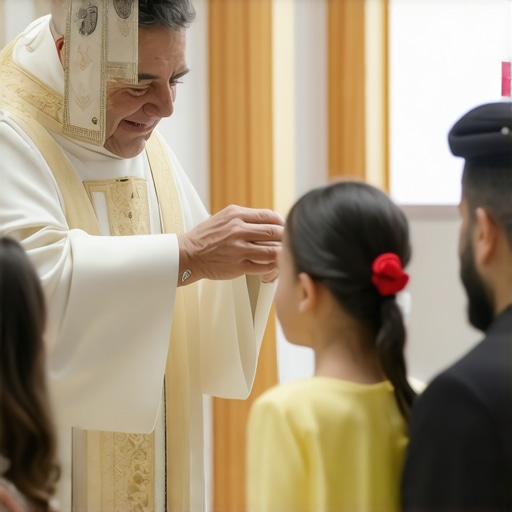
Image showing a priest performing a Catholic exorcism with a family present, highlighting the solemnity and formality of the process.
Follow Up With Long-Term Spiritual Maintenance
After successful exorcism, ongoing spiritual practices prevent re-infestation. Encourage daily prayer, regular blessings, and maintaining a disciplined prayer life. Educate your family on signs of resurgence and establish routines such as the daily recitation of the Rosary. Think of this as regular maintenance to keep your spiritual defenses strong. Engaging in community prayer groups or working with a deliverance ministry in Washington D.C. can also reinforce protections. Remember, spiritual cleansing is an ongoing effort—not a one-time fix.
Many people assume that anyone claiming to perform exorcisms is a genuine priest authorized by the Catholic Church. However, this overlooks the strict vetting process and protocols established by dioceses in Virginia and Washington D.C., designed to ensure legitimacy and safety. For instance, an official exorcist must be appointed by the bishop, undergo specialized training, and follow a rigorous procedure outlined in church standards, which you can learn more about in our guide on what makes a Catholic exorcism official in Virginia. Sometimes, well-meaning but unqualified individuals attempt rituals without proper authority, risking spiritual harm or legal complications. Think of it like hiring a licensed medical professional versus an uncredentialed healer—only the authorized priest has the theological authority and training to perform true exorcisms. Another widespread myth is that exorcisms are quick, dramatic battles; in reality, they often involve multiple sessions, spiritual discernment, and long-term spiritual care, as discussed in insights from Virginia exorcists.
Have you ever fallen into this trap of believing just anyone claiming to be an exorcist? Let me know in the comments.
Now, let’s address a more nuanced concern: many believe that exorcisms can be performed by secular or non-Catholic practitioners. This is a dangerous misconception because it ignores the doctrinal authority, specific prayers, and rituals unique to the Catholic Church. The church’s protocols, which are documented in resources like recognizing vulnerabilities in Virginia, emphasize that only a trained, diocesan-appointed priest can legitimately perform a formal exorcism. Proceeding outside this framework can not only be ineffective but potentially harmful, as spiritual discernment and church authority play critical roles in properly addressing demonic activity.
This is why trusting the process and seeking help from qualified exorcists in Virginia or D.C. is paramount. For detailed procedures and how to verify a priest’s credentials, see why your search for an exorcist must start with your bishop.
In summary, the key to effective spiritual deliverance in Virginia and D.C. lies in understanding these subtle but vital distinctions. Recognizing the importance of official church authority and avoiding superficial, untrained efforts can save you from false hopes and spiritual danger.
Remember, engaging with legitimately appointed diocesan exorcists ensures the authenticity, safety, and spiritual efficacy of the ritual. Have you ever mistaken an unqualified individual for a genuine exorcist? Share your experiences below!Maintaining the effectiveness of exorcisms and spiritual deliverance requires more than just performing the ritual; it demands ongoing vigilance, proper tools, and disciplined practices. One essential aspect is the use of *reliable holy water*—preferably blessed regularly by a diocesan priest—to safeguard your home from residual spiritual influences. I personally make it a point to have holy water blessed every quarter, ensuring its potency remains high for protective rituals. Another vital tool is the *prayer of Saint Michael*, which acts as a spiritual shield and reminder of divine authority against negative energies. Incorporating this prayer into daily routines, especially during times of heightened spiritual activity, can significantly reinforce your defenses.
For deeper, targeted protection, I recommend using *spiritual blessing oils*—such as consecrated oils that can be blessed by a priest. These oils serve as physical symbols of spiritual protection and can be rubbed on door frames or religious objects, creating an invisible barrier. It’s important to source these oils from trusted Catholic suppliers or have them blessed directly, as improperly consecrated oils may lack the intended efficacy.
In terms of tools for assessment and discernment, maintaining a *spiritual journal* helps track recurring disturbances, identifying patterns that inform future preventive measures. Additionally, I strongly advocate for participating in *community prayer groups* or engaging with a deliverance ministry in Washington D.C., which can offer collective spiritual strength and support. Churches equipped with *documented protocols for long-term spiritual health*, such as those discussed in [this resource](https://americanexorcism.com/why-every-richmond-parish-priest-starts-with-a-mental-health-referral), provide structured guidance for ongoing care.
Looking ahead, I see the trend shifting toward integrating *digital tools*—like prayer apps and remote spiritual consultations—to complement traditional practices. These innovations can serve busy families and individuals who need quick access to spiritual resources.
### How do I maintain my spiritual defenses over time?
To ensure your spiritual safeguards stay effective, integrate daily prayers, routine blessings of your living space, and periodic consultations with knowledgeable priests. Reinforcing these habits helps prevent resurgence of negative influences. I also recommend establishing a dedicated prayer corner with relics and images blessed by a priest—it acts as a constant visual reminder of divine protection. Remember, consistency is key. Regularity in applying these tools ensures your home remains a sanctuary against spiritual intrusion.
For an advanced tip, consider integrating *protective relics*—such as medals or crucifixes blessed and authenticated by your local diocese—into your daily environment. Their physical presence serves as a continual reminder of divine authority, and when combined with routine prayers like the Saint Michael Prayer, they significantly bolster your spiritual armor. To learn more about authentic relics and their protective power, check out [this detailed guide](https://americanexorcism.com/catholic-healing-ministry-in-dc-combining-prayer-and-exorcism-for-powerful-results). Don’t hesitate to try this method—it can make a noticeable difference in your spiritual resilience. Maintaining these tools’ integrity and regularly renewing their blessed status ensures your defenses stay robust, providing peace of mind amid ongoing challenges.Throughout my journey working closely with diocesan exorcists in Virginia and Washington D.C., I’ve uncovered that the most critical lessons often come from unexpected places—those hard-earned insights that aren’t found in typical guides. One of the most profound realizations is that genuine spiritual protection begins with humility and patience, resisting the urge to rush into rituals without proper discernment. I once encountered a case where hastily performed rituals only intensified the activity because the root issue hadn’t been fully understood; this taught me that solid groundwork is essential for lasting deliverance. Another lesson I’ve learned is the importance of fostering community awareness: educating families about the subtle signs of spiritual infestation can prevent escalation and empower them to seek proper help early. Building trust with qualified clergy and understanding church protocols provides a sturdy shield against spiritual pitfalls, as I’ve seen firsthand how unauthorized attempts can be counterproductive or even dangerous. Delving into these lessons has deepened my respect for the process and underscored that true spiritual safety is a continuous journey, not a quick fix.