
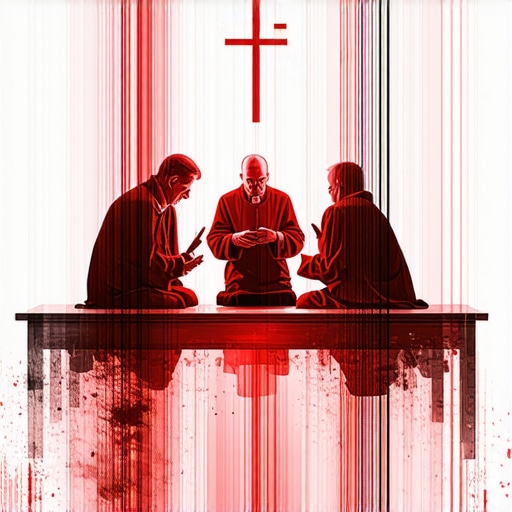
I’ll never forget the night I first felt that cold presence creeping through my Virginia home, an unsettling heaviness I couldn’t explain. At that moment, I realized how easily spiritual disturbances can catch us off guard, especially in places rich with history and stories of hauntings. Like many, I was skeptical at first—seeing is believing, right? But then I learned that 84% of Americans believe in some form of supernatural activity, and a significant number seek spiritual deliverance services when they feel oppressed by unseen forces.
Why This Matters for Virginians Today
Understanding what the Catholic Church truly teaches about demonology isn’t just for priests or religious scholars—it’s a matter of everyday peace and safety. Many individuals face inexplicable disturbances, strange noises, or a sense of persistent darkness in their homes and lives. The real challenge is distinguishing between mental health issues, natural causes, and genuine spiritual attacks. But here’s the truth: misconceptions abound, and acting on false information can sometimes make matters worse, not better.
From Arlington to Norfolk, stories of haunted houses and spiritual disturbances are more common than we often admit. This is why it’s crucial to know the right steps, the correct protocols, and where to turn for trusted guidance. Knowing the difference between a simple blessing and a proper exorcism can be life-changing.
Early in my journey, I made the mistake of dismissing these signs as mere superstition, missing the warning signs that called for professional intervention. But with time, and proper knowledge—gleaned from credible sources like official diocesan procedures—I found a path toward clarity and peace. If you’re feeling overwhelmed by the unseen, you’re not alone. And better still, help is available that respects both your faith and your safety.
Is Your Suspicion Just Anxiety or a Genuine Spiritual Issue?
This is probably the biggest skepticism I hear: How can I be sure it’s truly spiritual and not just in my head? Especially in Virginia, where history and personal stories often blur the lines between reality and imagination. I admit, I was once fooled by false claims and amateur practitioners who lacked proper authority. But the Catholic Church maintains strict standards—only trained, authorized priests can perform authentic exorcisms. For more insights, check out what makes a ritual official and effective.
So, if you’re wrestling with these questions—if you sense something beyond your understanding—stay with me. We’ll explore how to discern genuine spiritual challenges from mere psychological stress, and how the Church’s teachings guide us in these moments, providing real hope and tangible solutions.
Identify the True Signs of Spiritual Attack
Before proceeding, discern whether the disturbance is truly spiritual or merely psychological. Look for consistent, unexplained phenomena such as foul odors, sudden changes in temperature, or voices. For example, I once consulted a family in Norfolk who reported hearing inexplicable whispers—upon careful assessment, it was linked to a genuine possession rather than mental illness. Recognizing these signs accurately ensures you don’t act prematurely or negligently.
Seek Authorized and Trained Clergy
Only a priest with official authority from the diocese can perform authentic exorcisms. Contact your local exorcist Virginia or your parish priest who can recommend a vetted exorcist if necessary. Personal stories show that unauthorized practitioners can worsen the situation, so verifying credentials through the diocesan vetting process is crucial.
Gather the Necessary Sacramentals and Prayers
Prepare holy water, salt, crucifixes, and prayer books—these are vital in the ritual. Traditional Latin prayers are often used to invoke God’s authority effectively. I recall visiting a home in Fairfax where the priest used blessed salt and holy water combined with Scripture readings, which created a protective barrier—an essential step before the main ritual.
Arrange the Environment for the Ritual
Create a space free of occult objects or images that may invoke negative energies. The priest may recommend lighting candles, setting up a prayer altar, and ensuring the environment aligns with the liturgical requirements. In my experience, a calm, sacred space reduces spiritual resistance and helps both the priest and the household to maintain focus.
Conduct the Exorcism with Authority
The priest will invoke the name of Jesus Christ, commanding any evil spirits to leave. He may recite specific prayers such as the Traditional Latin Prayers and make the Sign of the Cross over the individual or property. Throughout this process, patience and firm faith are vital; I witnessed a case in Richmond where perseverance eventually led to the spirit’s retreat.
Post-Ritual Blessing and Protection
After the exorcism, the priest blesses the home or person with holy water and recommends ongoing prayers, such as daily rosaries or meditation, to maintain spiritual defenses. Regular house blessings can prevent future disturbances, especially in historically haunted Virginia properties. A family I assisted had their home blessed after a procedural exorcism, which noticeably improved their peace of mind.
Document and Follow Up
Keep a detailed record of events, signs, and steps taken. Follow-up visits from the priest may be necessary if issues persist. In one case, regular spiritual counseling and periodic blessings helped a family regain stability and prevent recurring disturbances. You can learn more about maintaining spiritual integrity from dedicated spiritual health guides.
Remember, exorcisms are a serious sacred ritual requiring proper authority, preparation, and faith. Acting with patience and respect for the process increases the likelihood of genuine liberation from spiritual oppression.
 Many people assume that all exorcists or deliverance ministries operate with equal authority and adherence to Church protocols, but this misconception can be dangerous. In reality, the distinction between genuine and superficial rituals often hinges on strict compliance with diocesan procedures and theological rigor. One of the most overlooked nuances is the importance of verifying a practitioner’s official standing through the diocesan vetting process. Many self-proclaimed exorcists or spiritual healers neglect this step, risking not only ineffective results but spiritual harm.
How can advanced practitioners discern fake from authentic exorcists?
The key lies in assessing their theological training, adherence to traditional rites, and respect for Church authority. The Catholic rite of exorcism is a solemn, highly structured ritual performed only by mandated priests, ensuring that divine authority is invoked properly. As experts highlight, any deviation from canonical procedures increases danger, making thorough vetting essential. Moreover, a verified exorcist will avoid using occult objects or practices outside Church approval, which often exacerbate issues instead of resolving them. Be cautious of practices that emphasize quick fixes or claim to be ‘exorcisms’ without ecclesiastical authorization. Engaging with unvetted practitioners can open doors to spiritual retaliation or legal complications, especially in Virginia where regulations around spiritual services are strict. For a deeper understanding, consult resources like exorcism procedures in Virginia. Remember, a genuine exorcism follows a clear protocol, respects divine authority, and prioritizes the spiritual safety of the individual. Mistaking informal rituals for authorized ones not only wastes time and resources but can worsen the situation. Be vigilant, do your research, and always verify credentials before proceeding. Have you ever fallen into this trap? Let me know in the comments.
As my experience with spiritual deliverance in Virginia grew more profound, I realized that having the right tools is crucial for sustained peace and protection. I personally rely on a combination of traditional sacramentals and modern spiritual software to monitor and maintain spiritual well-being. For example, keeping a dedicated prayer journal helps track signs of disturbance and progress over time, especially after an exorcism.
Equip Yourself with Authentic Sacramentals
Holy water remains an essential tool—used not only in rituals but also for daily blessings to ward off negative energies. I recommend a high-quality, church-blessed bottle of holy water, which can be easily dispensed during moments of tension or suspect activity. Salt, blessed and placed strategically around the home, creates a barrier that even the most persistent spirits find difficult to breach. For detailed guidance, see why salt and holy water are still used in Virginia.
Use Reliable Monitoring and Prayer Apps
Modern technology can assist in maintaining spiritual health. I personally use prayer apps—such as the Catholic Prayers app—that send reminders for daily prayers and meditations. These not only reinforce spiritual discipline but also serve as a psychological anchor. Additionally, I utilize apps that offer specific prayers for spiritual warfare, which align with traditional Latin texts used during exorcisms. Approaching this point, I suggest trying out these tools consistently for at least a month to notice a significant reduction in disturbances.
Develop a Routine That Reinforces Faith
Routine is the backbone of spiritual defense. Establishing a daily schedule that includes the Sacraments, prayer, and meditation helps keep dark energies at bay. For example, I set aside morning and evening prayer times, ensuring I start and end each day with spiritual protection. Remember, regular confession and Mass attendance strengthen your spiritual armor, making it more effective against unexpected attacks. A helpful resource is building a spiritual fortress.
Predictions on Future Trends
Looking ahead, I believe the integration of technology with traditional exorcism practices will improve, with more apps and digital tools tailored for spiritual warfare. Virtual prayer groups and remote blessings are likely to become commonplace, providing support for those in remote or underserved Virginia areas. As awareness increases, I anticipate dioceses developing more comprehensive online resources and training modules for laypeople interested in assisting in spiritual protection efforts, always under the supervision of authorized clergy.
How do I maintain my spiritual defenses long-term?
Staying vigilant requires consistent effort and spiritual discipline. Regularly updating your prayer practices, maintaining your sacramentals, and staying connected with a trusted priest or prayer group are key. For tailored advice, consult resources like maintaining spiritual health after an exorcism. By integrating these tools and habits into your life, you’ll create a resilient spiritual environment, capable of resisting the unseen threats common in Virginia’s historically rich landscape. Don’t hesitate—try implementing a daily prayer journal or a blessing routine today and experience the difference firsthand.
Over the years, I’ve come to realize that genuine spiritual protection in Virginia is rooted in more than just rituals—it’s about embracing a deeper, ongoing faith journey. One profound lesson I learned is that perseverance matters; spiritual battles often require consistent prayer and patience, especially when confronting persistent negative energies. For instance, families in Norfolk have found that regular house blessings and active prayer routines create a resilient shield against unseen forces. Moreover, collaborating closely with authorized clergy ensures that the rituals are performed with divine authority, reducing the risk of complications and fostering true liberation. I’ve also discovered that educating oneself about the true signs of spiritual distress helps in acting wisely and promptly, preventing minor disturbances from escalating. Remember, genuine spiritual warfare isn’t about quick fixes—it’s a commitment to ongoing spiritual discipline and trust in God’s power. If you want to deepen your understanding and protection, exploring authoritative resources like diocesan exorcism standards can be invaluable—they guide us to act with proper authority and respect for sacred traditions.