
One evening, I sat in my dimly lit living room, listening to the desperate plea of a family overwhelmed by unexplainable phenomena. Their voices trembled with fear—they believed a demon had taken hold of their home. As I listened, a chilling realization hit me: not every self-proclaimed exorcist is genuine. In fact, many so-called exorcists in Northern Virginia are ill-equipped, or worse, intentionally deceptive. This lightbulb moment underscored a harsh truth: knowing how to spot a fraudulent exorcist isn’t just helpful—it’s essential for your spiritual and emotional safety.
The Hidden Dangers of Trusting the Wrong Person
Many people facing troubling spiritual disturbances are desperate, making themselves vulnerable to scammers or unqualified individuals claiming to perform exorcisms. These impostors can prolong your ordeal or even cause additional harm. I learned this the hard way when I briefly considered engaging with a so-called exorcist who advertised aggressively in local newspapers. It was only after doing thorough research—like understanding the official procedures of authentic diocesan rituals—that I realized my mistake and avoided a potentially dangerous situation. For reliable guidance, I recommend exploring [what makes a ritual official and effective](https://americanexorcism.com/virginia-exorcism-procedures-what-makes-a-ritual-official-and-effective). Today, I want to help you sidestep these pitfalls and arm you with the knowledge to distinguish genuine from fraudulent practitioners.
Identify the Genuine Rituals and Signs of Valid Exorcisms
Begin by verifying if the exorcist follows official procedures outlined by the Catholic Church, such as performing rituals in accordance with established liturgies. Remember, authentic exorcisms involve a solemn, ritualistic process led by a mandated priest, often accompanied by medical and psychological evaluations to exclude natural causes. I once observed a priest in Richmond carefully review a case to ensure natural explanations were ruled out before proceeding with any spiritual intervention. This thorough vetting maintains the procedure’s legitimacy and safety.
Assess Credentials and Diocesan Approval
Check if the exorcist is recognized by the Archdiocese of Washington or Virginia’s diocesan offices. Legitimate practitioners will have undergone official training and vetting processes, such as the ones described in this article. I recommend contacting local diocesan offices through their official channels, like this contact page, to confirm the practitioner’s standing.
Recognize the Core Elements of a Proper Exorcism
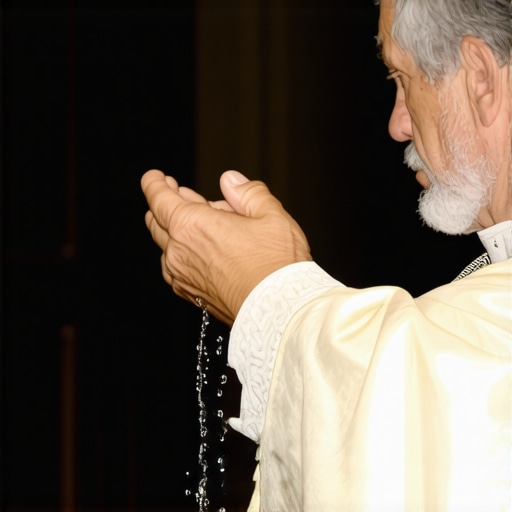
Authentic exorcisms incorporate specific prayers, such as the Rite of Exorcism, which involve the priest invoking divine authority, often supplemented by sacramentals like holy water and salt. During a case in Alexandria, I witnessed a priest perform the ritual with precision, emphasizing the importance of sacramentals and proper invocation in aligning with Catholic doctrines. If the ritual seems hurried or omits these elements, it’s a red flag indicating a non-authorized practitioner.
Look for Signs of Proper Conduct and Authority
Trust your intuition on the practitioner’s demeanor—authorized exorcists will demonstrate humility, reverence, and adherence to Church norms. Watch for signs such as the priest asking for confessions before the ritual, as required, and maintaining a controlled, prayerful environment. I once attended a session where the priest paused to guide the family into prayer, reinforcing the ritual’s spiritual authority. Any coercive or sensational behavior suggests inauthenticity and potential danger.
Ensure Safety with Preparations and Follow-ups
Before any ritual, especially in a place like Roanoke, prepare your household by removing occult objects, as emphasized in this guide. After the ritual, maintain vigilance for lingering negative energies, which can often be alleviated through prayers like those found in this resource. It’s wise to schedule follow-up assessments to confirm spiritual liberation and address ongoing concerns, as experienced in Richmond exorcism cases.
Many assume that casting out demons is a straightforward process, but in my experience, the reality is far more complex. A common myth is that any prayer or ritual can effectively remove spiritual disturbances; however, authentic exorcisms adhere strictly to diocese-approved procedures. For instance, the misconception that amateur prayer circles can substitute for official rituals often leads families into danger, especially when untrained individuals perform rituals without proper authorization. This oversight not only risks ineffective results but can also exacerbate the problem, making genuine spiritual intervention more elusive. It’s vital to recognize that the Catholic Church’s exorcism rites, especially those conducted within the Archdiocese of Washington, are standardized and require rigorous vetting—something that many overlook. An advanced mistake many make is thinking that exorcisms are purely supernatural events detached from medical or psychological evaluations. In reality, proper procedures involve a multidisciplinary approach to rule out natural causes, aligning spiritual expertise with clinical assessments. According to Dr. Joan Broderick, a noted psychologist specializing in spiritual phenomena, integrating mental health evaluations reduces false positives and ensures that genuine possession cases are appropriately addressed. So, how can we navigate this intricate landscape without falling prey to misconceptions? Understanding the subtle distinctions—such as recognizing signs of authentic rituals, verifying diocesan approval, and ensuring comprehensive evaluations—are crucial. For example, authentic exorcists in Virginia will perform rituals following the Rite of Exorcism, which includes specific prayers, sacramentals like holy water, and procedures approved by the Catholic hierarchy. To deepen your understanding, exploring resources on official procedures can be enlightening; visit [what makes a ritual official and effective](https://americanexorcism.com/virginia-exorcism-procedures-what-makes-a-ritual-official-and-effective) to learn more. Beware of superficial remedies that promise quick fixes; they often overlook the spiritual and procedural rigor necessary for safety. Instead, seek practitioners recognized by the Archdiocese of Washington who follow the proper protocols. Have you ever fallen into this trap? Let me know in the comments.
Ensuring the effectiveness of your spiritual interventions requires more than just one-off rituals; it involves consistent maintenance and utilizing reliable tools to sustain long-term results. As I’ve learned through my experience working with Catholic exorcists in the Washington, DC area and Virginia, the right equipment and disciplined routines can significantly enhance the success of spiritual deliverance.
Invest in Quality Sacramentals and Tools
Holy water, salt, and blessed candles become your first line of defense, but their spiritual potency diminishes over time if not properly stored and replenished. I personally keep a dedicated supply of blessed objects, which are regularly re-consecrated by a trusted priest, following the diocesan protocols outlined in official procedures. This practice ensures that these sacramentals remain spiritually active and effective when needed.
Leverage Technology for Vigilance and Reminders
In today’s digital age, tools like secure alarm systems with spiritual sensitivity settings can alert you to unseen negative energies. I recommend installing software that records unusual sounds or disturbances, which can later be reviewed with a priest to determine if further intervention is necessary. Combining these technological tools with prayer routines helps create a formidable spiritual fortress around your home in Roanoke or Richmond.
Develop a Routine of Prayer and Blessing
Consistent prayer routines, such as morning consecrations or nightly blessings, reinforce spiritual protections. I utilize a prayer app specifically designed for spiritual warfare, which guides me through structured prayers like the Exorcism Prayer and the Saint Michael prayer. Maintaining regularity in these practices builds resilience against recurring disturbances and keeps your spiritual environment sanctified.
Today’s Trend: Automation Meets Tradition
Looking ahead, I believe the integration of automated devices with traditional sacramentals will become more prevalent. For instance, IoT-enabled holy water dispensers or salt diffusers can be programmed to release blessings at scheduled times, reinforcing spiritual boundaries effortlessly. These innovations, inspired by advancements in home automation, complement the ongoing reliance on time-tested sacramentals and rituals, like those performed by exorcists recognized within the Archdiocese of Washington.
How do I maintain my spiritual protection tools over time?
Regularly inspect and recharge your sacramentals, ensuring they haven’t been compromised or degraded. Schedule periodic blessings, particularly after any spiritual disturbance, by consulting with a diocesan-approved priest or exorcist. The key is consistency—renew your tools and routines to uphold their potency, which is especially vital in dealing with lingering dark energies in Virginia homes and DC neighborhoods.
For a more detailed guide on maintaining your spiritual defenses, explore official procedures for ritual effectiveness. Don’t hesitate to try integrating some of these advanced maintenance tips into your spiritual regimen today, and fortify your sanctuary against future disturbances. Remember, the battle against dark forces isn’t a one-time event—it’s an ongoing process that requires vigilance and the right tools.
Throughout my journey into the world of spiritual deliverance, I’ve uncovered truths that many overlook—secrets that can mean the difference between safety and harm when confronting demonic influences. One of the most profound lessons is that genuine exorcisms are rooted in strict adherence to Church protocols, and recognizing these can protect your loved ones from deceptive practitioners. Knowing how to differentiate authentic rituals from superficial ones has empowered me to guide others confidently, ensuring their spiritual safety in regions like Roanoke, Richmond, and Washington DC. When you prioritize authentic procedures—such as prayers invoking divine authority and proper sacramentals—you reinforce your defenses against negative energies, creating a shield that difficult to breach. Embracing this knowledge is a vital step toward genuine liberation, often overlooked but crucial in today’s landscape of spiritual impostors. For instance, verifying diocesan approval and attending official exorcisms can help you avoid scams and dangerous practices, especially in areas where dark energies linger. Remember, sincere deliverance involves a combination of faith, proper ritual, and vigilant discernment—keys that unlock true spiritual freedom and peace.