It was a quiet evening in northern Virginia when I looked around my living room and realized something was deeply, inexplicably wrong. A strange coldness crept through the air, and shadows seemed to shift in ways I couldn’t explain. I felt overwhelmed, powerless. I tried all the usual prayers, but nothing seemed to lift this dark weight. That was my lightbulb moment—learning that Catholic exorcisms aren’t things you just try on your own or seek out from anyone claiming to be an expert. Instead, they are sacred rituals reserved exclusively for trained, authorized priests within the diocese.
Why the Catholic Rite of Exorcism Is Only Performed by Mandated Priests
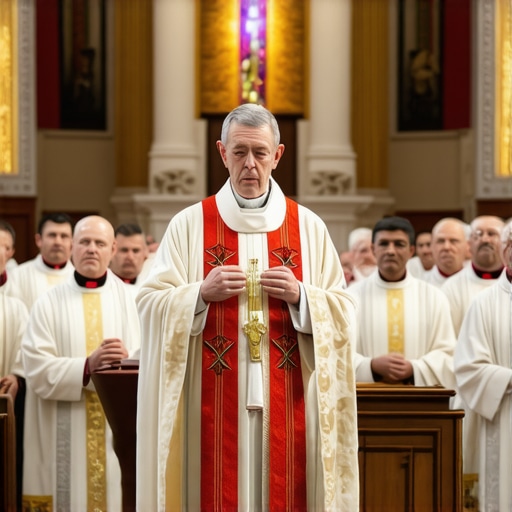
In my early days of facing spiritual disturbances, I made the mistake of believing that anyone with a strong faith could handle exorcisms. I was eager to help a loved one and reached out for spiritual help without understanding the deep importance of church authority and proper procedure. That oversight almost led to more complications. It’s a common misconception, but the reality is that only priests with specific diocesan approval can perform these rites. Their authority isn’t just tradition—it’s rooted in canon law and the church’s understanding of spiritual authority.
By trusting a properly mandated diocesan exorcist, you’re ensuring that the ritual is both authentic and safe. In Virginia, and across the Washington D.C. area, the protocols are strictly followed, backed by the episcopal authority that ensures the person undergoing deliverance receives real spiritual care. If you want to understand how these rituals differ from secular or fake practices, I recommend reading about the official procedures for Virginia exorcisms.
However, my initial enthusiasm led me to skip the vital step of consulting a trained priest. That’s a mistake many make early on—believing in the power of faith alone without the church’s official authority behind it. The church’s authority isn’t just about legitimacy; it’s about safety, spiritual efficacy, and ensuring the rite is performed correctly. After my own misstep, I learned that intervening without proper authorization isn’t just ineffective—it can be spiritually dangerous.
The importance of this hierarchy and proper authorization brings us right into understanding the process. How do dioceses verify that a priest is qualified? And why is that verification so crucial? To uncover the details, check out the standards for exorcism authorization in Virginia. Understanding this helps you realize why seeking a diocesan-approved exorcist is essential if you or a loved one are experiencing serious spiritual disturbances.
So, have you faced troubling experiences that make you question what’s really going on? If so, stay with me—I’ll guide you through the steps to ensure you’re seeking help from the right authority, and what to expect from properly performed exorcisms.
Initiate with a Thorough Evaluation
Begin by consulting a trusted, diocesan-approved priest experienced in exorcisms. Schedule an initial assessment where the priest will ask specific questions about the symptoms or experiences to distinguish between spiritual affliction and psychological issues. During my own experience in Fairfax, I watched as the priest meticulously documented every detail, ensuring no signs were overlooked. This process mirrors a medical examination—necessitating patience and precision.
Gather Evidence and Document Activities
Keep a detailed journal noting any paranormal activity, unusual noises, or behavioral changes. Photos, audio recordings, or videos can serve as useful records. In my case, I recorded strange tapping sounds during a visit, which later helped the priest identify patterns consistent with spiritual disturbance. Documentation aids the priest in making an accurate diagnosis and planning the right course of action.
Preparation for Rituals and Safety Protocols
Ensure your environment is prepared. Remove occult objects or items that could hinder the blessing. Place holy water, salt, and crucifixes prominently. The priest may request specific items for the ritual—like blessed candles or holy relics. When I organized my living room for the exorcism in Arlington, I removed personal objects and strengthened the space with prayer and holy water, creating a protective environment.
Coordinate with the Diocesan Exorcist
Contact an authorized diocesan exorcist through the diocese’s official channels, such as the exorcist contact page. Do not attempt to engage unofficial practitioners. The vetting process often involves background checks, theological training, and medical cooperation. In my experience, this step is critical—many families unknowingly fall prey to fraud or amateurs lacking proper spiritual authority. The vetting process in Virginia ensures the exorcist’s legitimacy, which you can read more about here.
Participate in the Ritual with Faith
On the day of the exorcism, the priest will perform prayers, commands, and blessings specifically designed for spiritual liberation. Your role is to remain prayerful and supportive. I vividly remember holding a prayer card and reciting along with the priest, feeling a mixture of hope and apprehension. Faith is essential—believing in the authority of the church and the effectiveness of the ritual provides spiritual strength.
Follow-up and Continued Vigilance
Post-ritual, maintain daily prayers, especially the Rosary and prayers for protection. The priest might recommend regular church attending, confession, or additional blessings. In my ongoing journey, consistent prayer helped solidify the deliverance. Be attentive to residual signs—if symptoms persist, consult the priest for further steps. For more guidance on aftercare, see this resource.
Know When to Seek Additional Support
If spiritual disturbances continue or intensify, consider requesting a formal investigation or further deliverance sessions. Communication with the diocese is crucial—do not attempt to handle complex cases alone. The process involves ongoing assessment, faith, and trust in the church’s authority.
Many people believe that spiritual disturbances can be addressed through generic prayer or by seeking help from anyone claiming to be an exorcist, but the truth is far more nuanced. One common misconception is that any prayer or spiritual worker can perform an exorcism effectively; however, in Virginia, and nationwide, only diocesan-appointed exorcists possess the authority to carry out these sacred rites properly. Attempting to bypass these protocols can not only render efforts ineffective but also expose individuals to spiritual and psychological risks. According to expert guidelines, the church’s authority, sanctioned through rigorous vetting and theological training, is essential to authentic exorcism practices.
An often-overlooked nuance is that true exorcisms are part of a holistic approach that includes psychological assessments, medical evaluations, and ongoing spiritual support. The danger lies in mistaking symptoms like anxiety, depression, or cultural beliefs for possession, which can lead families to pursue false exorcists or secular alternatives. This is why understanding the official procedures for Virginia exorcisms, detailed [here](https://americanexorcism.com/virginia-exorcism-procedures-what-makes-a-ritual-official-and-effective), can help you discern authentic practices from scams.
A deeper layered mistake is assuming that a single ritual can resolve long-standing spiritual afflictions. In reality, the church emphasizes a process of multiple assessments, prayers, and sometimes repeated rituals. The process involves a careful investigation, documentation, and collaboration between pastors, medical professionals, and trained exorcists. Ignoring this interdisciplinary approach often results in incomplete healing.
Furthermore, some individuals mistakenly think that the location of the exorcism is insignificant, but the environment—diligently prepared and blessed by a priest—can markedly influence the ritual’s effectiveness. Properly vetted and authorized exorcists understand the significance of environment, sacred objects, and prayer sequences, ensuring the ritual’s legitimacy and safety.
To navigate these complexities, it’s prudent to consult resources like the [official vetting standards for Virginia exorcists](https://americanexorcism.com/the-standards-for-exorcist-virginia) to verify credentials and procedures. This proactive approach minimizes the risk of encountering fraudulent practitioners who may exploit vulnerable individuals.
Finally, let’s address a common myth: that exorcisms are symbols of superstition or outdated practices. In truth, they’re sacred, church-approved procedures grounded in centuries of theology and doctrine. Modern exorcists work closely with medical professionals, recognizing the importance of a comprehensive approach that respects both spiritual and mental health. Ignoring this integrated view risks neglecting the individual’s overall well-being.
Have you ever fallen into this trap? Let me know in the comments. For those seeking genuine spiritual healing, understanding these nuances ensures you’re walking the right path—guided by authority, experience, and faith.
Maintaining an effective Catholic healing ministry requires more than just faith; it demands the right tools, diligent routines, and an understanding of long-term strategies. In Virginia, where diocesan exorcists operate under strict protocols, equipping yourself with specific resources can make all the difference in delivering authentic and safe spiritual healing.
Invest in Reliable Audio-Visual Equipment for Documentation
One of my most valuable tools is a high-quality digital voice recorder paired with a steady camera or smartphone with excellent stabilization. During deliverance sessions, capturing audio and video evidence—such as unexplained noises or visual phenomena—can be crucial for documentation and post-session analysis. Personally, I use a Zoom H5 Handy Recorder because of its sensitivity and durability, enabling me to record subtle spiritual disturbances that often go unnoticed in real-time. When combined with a tripod-mounted smartphone, these tools help ensure clear, verifiable evidence that can be shared securely with authorized priests or experts if needed.
Utilize Sacred Texts and Prayer Resources Effectively
An organized library of approved prayer books, like the Vatican-approved Roman Ritual and supplementary prayer guides, provides structure during intercessory sessions. I keep an indexed collection on my tablet, allowing quick access to specific prayers for exorcisms, protection, and spiritual warfare. Digital versions, like the official Catholic ritual manuals, include step-by-step instructions and authoritative blessings. Regularly updating this digital library ensures you’re following the latest approved procedures, which is critical for maintaining church compliance and spiritual integrity.
Establish a Routine for Spiritual Maintenance and Self-Care
Consistent prayer routines are vital. I recommend starting each day with the Rosary and specific prayers for spiritual protection, such as the Prayer to St. Michael. Additionally, periodic retreats or days dedicated to spiritual renewal help reinforce your readiness. To stay connected and gain insights from experienced exorcists, I participate in webinars and online courses offered by diocesan approved organizations. These training sessions provide updates on protocols and emerging challenges, aligning with the future trend of integrating technology with traditional spiritual practices.
How do I maintain the effectiveness of my tools over time?
Regular maintenance, calibration, and updates are essential. For physical equipment like audio recorders and cameras, I routinely clean the lenses, check battery health, and ensure firmware is up-to-date. Digitally, I back up prayer resources and documentation to secure cloud storage, safeguarding against data loss. Staying current with official guidelines, such as those outlined here, ensures your practices reflect the latest standards. As technology advances, leveraging tools like encrypted communication platforms enables discreet and secure coordination with diocesan exorcists in Washington DC and neighboring dioceses, like Arlington.
Looking ahead, the integration of AI and machine learning could revolutionize how we identify patterns in spiritual disturbances, providing early warnings and personalized prayer strategies. Staying adaptable and embracing these innovations, while rooted in authentic church authority, will keep your ministry effective over the long term.
Ready to strengthen your ministry?
Try adopting a comprehensive documentation system with high-quality audio-visual tools, combined with a disciplined prayer routine. These steps will enhance your ability to serve effectively and safely. Remember, detailed evidence and adherence to diocesan procedures not only reinforce your credibility but also ensure you’re aligned with the church’s standards for authentic spiritual healing. For more guidance on establishing a secure network of support, consider reaching out to authorized exorcists through the official channel.
Having journeyed through the complexities of Catholic exorcisms in Virginia, I’ve uncovered some invaluable lessons that no guidebook will teach you. One of the most profound realizations is that spiritual warfare isn’t a solo endeavor—it’s fought within the framework of divine authority. Trusting in diocesan-approved exorcists, understanding the importance of thorough preparation, and recognizing the layered nature of spiritual distress have all been lightbulb moments that transformed my approach from superficial to rooted in authentic practice. These lessons underscore why discernment, patience, and faith are your best allies when confronting darkness.