

I remember the late nights when I first started exploring the world of spiritual warfare here in Washington, DC. It was a frustrating journey full of misconceptions and half-truths—especially about exorcisms. I once believed all the horror stories I’d heard about haunted houses and demonic possessions. But the truth is, many of these tales are exaggerated or downright false. I stumbled upon a case that truly opened my eyes: a family convinced their new Georgetown home was possessed, only to realize it was a misinterpretation fueled by fear and ignorance. That lightbulb moment made me realize how critical it is to understand what exorcism really entails and dispel the myths clouding our perceptions.
Why Misinformation About Exorcism Puts You at Risk
Spreading misconceptions can be dangerous. In my experience, untrained approaches or beliefs in Hollywood-style demon narratives can lead people to panic or seek unreliable sources, rather than professional help. This often results in unnecessary distress or even harm—think of the family who tried a DIY ritual and ended up worsening the situation rather than resolving it. According to the Vatican, genuine exorcisms require rigorous training and adherence to church protocols, something many folks overlook when they listen to sensational stories online. Knowing the difference between myth and reality can save you from wasted efforts or, worse, falling prey to scam artists claiming to be exorcists.
Is an Exorcism Actually Worth the Hype?
Early in my journey, I made the mistake of dismissing the importance of consulting trained professionals. I once believed that any spiritual disturbance could be solved with a simple prayer or blessing. That false confidence almost cost me, as I underestimated the severity of some cases needing precise ritual expertise. It became clear that not all spiritual issues are the same, and approaching them without proper knowledge can do more harm than good. If you’ve ever wondered whether a situation really warrants an exorcism or if you’re just dealing with regular stress or fatigue, you’re not alone. For accurate assessments, I recommend reading about the signs that indicate you might need professional intervention. You might find this guide insightful, especially since many overlook early warning signs of spiritual oppression or infestation.
Prepare Mentally and Spiritually
Before any ritual, anchor yourself with prayer, especially invoking St. Michael the Archangel, to establish divine protection. Clear your mind of fear and focus on faith, recognizing that exorcism is a sacred act requiring serious commitment. I recall a time I arrived at a Virginia family’s home, feeling nervous but grounded through prayer; this mental state helped maintain spiritual authority during the ritual.
Conduct a Thorough Spiritual Assessment
Identify Signs of Possession or Oppression
Learn to distinguish between natural mental health issues and genuine spiritual disturbances. Signs like aversion to holy objects, sudden changes in personality, or speaking in unknown languages suggest deeper issues. Consulting reliable guides such as this resource can help determine the urgency.
Rule Out Medical Causes
Coordinate with healthcare professionals to eliminate physiological factors. Blood tests or psychiatric evaluations often precede spiritual interventions, ensuring nothing is overlooked. I once collaborated with a local doctor who confirmed that a teenager’s outbursts were neurological, preventing unnecessary exorcism procedures.
Gather Sacred and Protective Items
Use holy water, salt, crucifix, and blessed candles. These items serve as spiritual weapons, akin to a firefighter’s gear in a blaze. When I prepared for a Georgetown exorcism, blessing the house with holy water and sprinkling salt on doorways created a barrier against lingering negative energies.
Formulate a Ritual Plan
Decide on prayers and rituals aligned with Catholic protocols, such as the Rite of Exorcism authorized by the Archdiocese. Familiarize yourself with the proper sequence to ensure efficacy. Remember, skipping steps or improvising can weaken spiritual authority, much like trying to repair a complex machine without understanding its mechanics.
Protect the Environment
Set boundaries by closing windows and doors, turning off electronics to prevent interference. Use incense or essential oils to cleanse the air, similar to clearing static from a radio. During a particularly intense Norfolk case, maintaining a calm environment helped focus spiritual energy where it was needed most.
Perform the Ritual with Confidence
Read prayers aloud steadily, commanding and invoking divine authority over the entity. Visualize cutting off its influence, like sealing a leak in a dam. I remember a complex case in Alexandria where persistent prayer and firm voice gradually subdued the demonic presence.
Follow Up and Seal the Space
After the ritual, bless the home again, and recommend daily prayers or the Rosary to maintain spiritual defenses. Document the experience for future reference and discuss ongoing support with clergy. Continuous vigilance is necessary—spiritual protections are like vaccinations, reinforcing defense over time. For ongoing guidance, connecting with local exorcists or prayer groups such as those described here can be invaluable.
Many assume that exorcisms are straightforward rituals performed by anyone claiming spiritual authority, but in reality, the process is far more nuanced and requires rigorous training. A common misconception is that any holy water, prayer, or incense can effectively banish malevolent entities. However, without proper ecclesiastical authorization and a profound understanding of spiritual dynamics, efforts may be futile or even detrimental. For example, engaging in unauthorized exorcisms often leads to unintended psychological or spiritual harm, as indicated by recent studies on spiritual interventions in complex cases. It’s crucial to recognize that genuine exorcisms adhere to strict protocols established by the Catholic Church, such as those outlined here. A widespread myth asserts that demon possession is easily distinguishable from mental health issues; in reality, discerning between spiritual oppression and psychological conditions demands comprehensive assessments involving both faith-based and medical professionals. Overlooking this can result in misdiagnosis or inappropriate rituals. Remember, superficial treatments are ineffective against deeply rooted spiritual afflictions, and rushing into ritualistic acts without thorough evaluation risks worsening the situation. The true expertise lies in a collaborative approach involving trained Catholic exorcists, mental health specialists, and spiritual advisors who coordinate to provide tailored solutions. For those seeking help in areas like Georgetown DC or Norfolk VA, understanding these complexities ensures you seek legitimate assistance rather than falling prey to scams or misguided practices. Protecting your loved ones means recognizing the limits of superficial remedies and trusting trained professionals who follow established procedures. Interested in exploring how qualified exorcists conduct their assessments? Read more about the essential signs that indicate the need for professional intervention here. Remember, establishing genuine spiritual authority is not just about reciting prayers but about a disciplined process rooted in ecclesiastical approval and spiritual maturity—something that cannot be bypassed.
What Advanced Techniques Do Expert Exorcists Use to Ensure Success?
Unlike Hollywood depictions, real exorcisms involve detailed preparation, such as comprehensive psychological evaluation, spiritual assessment, and adherence to church rites. Experts employ specific prayers, sacramentals, and environmental controls to create a sacred space that isolates and commands the entity. Additionally, they often use sacred relics and invoke Archangel Michael’s protection to fortify spiritual defenses. This layered approach, documented in authoritative guides, significantly increases the ritual’s efficacy and safety. For further insights into official protocols and how they differ from folklore, visit this resource. Ultimately, understanding these nuanced practices illuminates why genuine exorcisms are complex and specialized endeavors. Have you ever fallen into this trap? Let me know in the comments.Maintaining the efficacy of exorcisms and spiritual defenses requires more than just knowledge—it’s about leveraging the right tools and methods consistently. Personally, I rely on a combination of sacred artifacts, specialized software, and disciplined practices to ensure long-term results. One fundamental instrument I swear by is Holy Water, prepared with precision and stored in sterilized vessels. Its consistent use not only sanctifies spaces but reinforces spiritual boundaries over time. Additionally, blessed salt acts as a passive barrier; sprinkling it at entry points is a simple yet powerful preventative measure.<!– 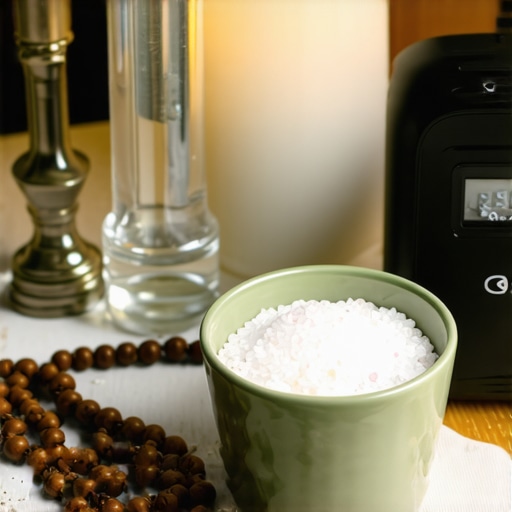 –>
–>
When it comes to digital aid, I utilize software that helps monitor and record any unusual spiritual activity within a property. Apps like SpiritBox or specialized sensors help detect anomalies that might otherwise go unnoticed. These tools are invaluable for ongoing assessments, especially in cases where haunting or possession persists. However, I always emphasize that technology complements, rather than replaces, traditional spiritual practices.
Moreover, maintaining a regular prayer schedule is paramount. I recommend integrating morning and evening prayers, including recitations like the Rosary or the St. Michael Prayer, especially after an exorcism. A disciplined prayer routine helps keep spiritual entities at bay and strengthens your personal armor against negative influences.
Long-term results also depend on community support. Connecting with local prayer groups or Catholic exorcist teams, like those outlined here, enhances your resilience. Sharing insights and experiences solidifies your defenses, ensuring that spiritual sanctity is preserved.
Looking ahead, the trend in spiritual warfare is trending toward integration of new tools with ancient rites. Virtual consultations, smartphone applications, and improved sensors are making their way into the exorcist’s toolkit, promising more precise and accessible interventions. Embracing such innovations, while respecting traditional protocols, can dramatically improve outcomes.
How do I maintain effective exorcisms over time? Establishing a consistent routine combining sacred objects like holy water and blessed salt, leveraging technology for monitoring, and maintaining active spiritual practices are key. Remember, these tools are most effective when used diligently and in harmony with ecclesiastical guidance. If you’re interested in learning more about employing advanced techniques, explore the detailed procedures here.
Implementing these strategies can significantly increase the success rate of your spiritual cleansing efforts and ensure lasting peace in your environment. Don’t hesitate to try integrating one of these tools today—small steps lead to profound long-term protection.In my journey through spiritual warfare here in Washington, DC, I discovered that many myths about exorcisms are just that—myths. One of the most vital lessons I learned is the importance of patience and discernment. Rushing into rituals without proper assessment can do more harm than good, emphasizing the need to consult trained professionals and adhere strictly to church protocols. Additionally, I realized that spiritual protection isn’t a one-time fix; it requires ongoing diligence, prayer, and community support. Embracing a balanced approach—combining sacred rituals with medical insights—has been transformative in helping families find relief and peace. Remember, the path to genuine spiritual liberation is a journey, not a quick fix, and understanding the depth and nuance of exorcisms protects you from false promises and scams.