
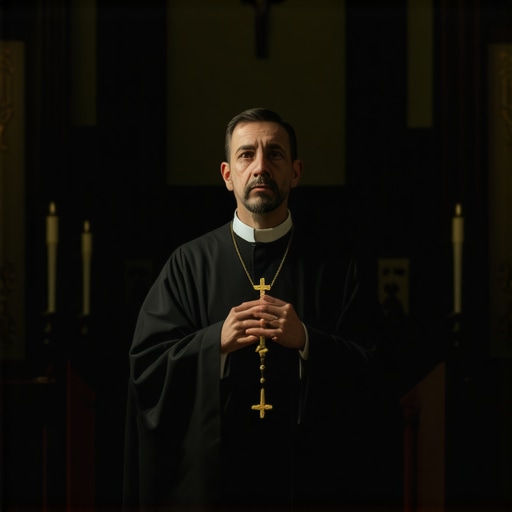
I remember hitting my boiling point on a cold winter night, feeling a strange heaviness in my home that no amount of cleaning or calming music could chase away. It was as if an invisible weight had settled over everything. That’s when I realized—I needed more than just good vibes or secular advice. I needed a trained Catholic exorcist, someone who understands spiritual warfare and can perform authentic rituals of liberation.
Discovering the Right Exorcist in the DC Area
If you’re reading this, chances are you’ve felt that unsettling presence, or maybe someone you love is suffering in silence. Trust me, I know how overwhelming it can be to navigate spiritual distress when you’re not sure where to turn. The promise here is simple: I’ll walk you through how I found a qualified Catholic exorcist in the Virginia/DC region and what steps you can follow too. Finding a legitimate, trained exorcist isn’t as easy as searching online; it requires understanding the signs, asking the right questions, and knowing where to look for authentic help.
Is It Really Worth the Hype? A Word of Caution
Early on, I made the mistake of assuming any spiritual healer or so-called expert could help. That was a costly error. The truth is, not every ministry that claims to perform deliverance rituals is qualified or sanctioned by the Church. Many well-meaning but untrained individuals can do more harm than good. It’s essential to verify credentials and seek recommendations from trusted sources. The Catholic Church has specific procedures, and engaging an unqualified person might delay genuine relief or even exacerbate the problem. If you’re skeptical, I get it—spiritual matters are deep and complex. But I’ve learned that, with patience and proper guidance, you can find someone truly capable of helping. To better understand what authentic exorcism entails, you might want to explore [this insightful guide](https://americanexorcism.com/virginia-exorcism-procedures-what-makes-a-ritual-official-and-effective), which details what makes rituals official and effective.
From my experience, the key is patience and doing your homework. The process can seem daunting, but the peace that follows when you find a trained exorcist makes all the effort worthwhile. Now, let’s look at how you can identify and select the right person to guide you through this spiritual journey.
,
Identify Genuine Signs of Spiritual Oppression
The first step is recognizing the signs that suggest a need for exorcism or deliverance. These include persistent nightmares, unexplained physical ailments, violent behaviors, or possession of objects that seem connected to spiritual activity. I recall visiting a Virginia home where family members experienced constant, unexplainable crashes and cold spots; these were clear indicators that specialized intervention was necessary. Understanding these signs helps distinguish between psychological issues and genuine spiritual disturbances.
Assess the Situation with a Medical and Psychological Check
Before proceeding, consult healthcare professionals to rule out mental health or medical conditions. This step mirrors a safety net—just like a builder checks the foundation before constructing a house—ensuring you’re not overlooking natural causes. In my case, coordinating with a psychologist in Norfolk helped clarify the distinction, which made me more confident about seeking spiritual assistance afterward.
Research Qualified Catholic Exorcists in Virginia and D.C.
Next, pinpoint licensed exorcists through trusted sources like the local diocese or official Catholic directories. Be cautious of unverified practitioners; they could do more harm than good. I visited the Virginia exorcism procedure page to understand what makes a ritual authentic, which helped me identify priests sanctioned by the church. Confirm that the priest has specific training in exorcism—especially diocesan approval—since this ensures adherence to church protocols.
Verify Credentials and Experience
Reach out directly to the Diocese of Richmond or Washington D.C. for referrals; they oversee and approve exorcists. An experienced exorcist in Georgetown DC, for example, will have a well-documented history of genuine cases, as discussed on the Catholic church’s official guidelines. Avoid clergy who lack formal training or don’t follow the church’s strict rituals, as outlined in this detailed description.
Arrange an Initial Consultation
Once you’ve identified potential exorcists, schedule a preliminary meeting. This consultation will clarify their approach, explain the process, and address your concerns. During this, observe their demeanor—genuine priests will speak with authority, humility, and clarity about the process. My own first meeting involved a thorough assessment, including questions about the history of the distress, which ultimately validated their professional and spiritual credentials.
Prepare for the Ritual and Follow-Up
Anticipate details about the ritual—often, it involves prayer, holy water, and specific Latin prayers—each governed by strict church protocols. A reliable exorcist will also suggest follow-up sessions or ongoing prayers, since deliverance is often a gradual process. Post-ritual, maintaining spiritual safety through regular confessions and prayer is crucial, as explained in this resource.
Stay Vigilant and Protect Your Space
After the ritual, continue to safeguard your environment. Blessings, prayers, and the use of holy water help reinforce the exorcist’s work. Additionally, be attentive to any residual symptoms; if they persist, revisit the process or seek additional spiritual guidance. Remember, genuine cases often require patience and perseverance, just like my experience with a particularly challenging case in Norfolk, which needed multiple sessions and ongoing prayers to fully liberate the affected person.
Utilizing these steps, you can confidently navigate the path to spiritual liberation, ensuring you’re working with qualified Catholic exorcists who follow the church’s sacred rituals. For further guidance on the process involved, visit this detailed overview.
,While many people believe that merely invoking the rite of exorcism automatically guarantees spiritual liberation, this oversimplification ignores crucial nuances that determine the ritual’s effectiveness. A prevalent myth is that any exorcist, regardless of training, can handle a possession case. However, the Catholic Church emphasizes that authentic exorcisms must be conducted by diocesan-approved priests who follow strict protocols, as outlined in [this comprehensive guide](https://americanexorcism.com/official-exorcist-virginia-shares-secrets-of-catholic-rituals-for-liberation). Failing to recognize these distinctions can lead to ineffective or even harmful outcomes.
Moreover, many assume that exorcisms are quick fixes, but in reality, the process is often prolonged and requires ongoing spiritual support. Rushing into a ritual without thorough assessment and preparation can do more harm than good, potentially reinforcing the very oppression the ritual aims to dispel. It’s vital to understand that genuine deliverance often entails multiple sessions, vigilant environmental safeguards, and continued prayer, as discussed in [this resource](https://americanexorcism.com/virginia-exorcism-procedures-what-makes-a-ritual-official-and-effective).
Another common misconception concerns the role of psychological or medical explanations. While mental health professionals are essential in ruling out natural causes, many overlook the importance of spiritual assessment. Recognizing the difference between psychological distress and spiritual oppression requires trained discernment. Engaging with a qualified diocesan exorcist ensures that spiritual detection aligns with Church teachings, avoiding misdiagnosis and unnecessary procedures. For advanced practitioners, understanding the subtle signs of spiritual infestation can be challenging but is crucial—details covered in [this article](https://americanexorcism.com/how-virginia-priests-help-victims-of-spiritual-infestation) can enhance your discernment.
One aspect often neglected is that exorcisms are not solo endeavors but collaborative efforts within the Church’s hierarchy, involving bishops, priests, and sometimes medical professionals. Skipping this coordinated approach can limit the ritual’s success, exposing the importance of working within official channels, as outlined on [this page](https://americanexorcism.com/the-role-of-the-bishop-in-virginia-exorcism-cases).
Knowing these intricacies helps prevent common pitfalls. For instance, attempting DIY exorcisms or consulting unverified practitioners—despite their popularity online—can worsen the situation, as warned in [this article](https://americanexorcism.com/how-to-spot-fraudulent-exorcists-operating-in-the-dc-area). Instead, focusing on verified, diocesan-approved exorcists ensures your safety and the efficacy of the ritual.
Have you ever fallen into this trap? Let me know in the comments, and stay vigilant on your spiritual journey.
Tools I Recommend for Long-Term Spiritual Defense
When engaging in complex processes like Catholic ritual exorcisms or spiritual warfare in Virginia, having the right tools can make all the difference in sustaining spiritual health over time. Personally, I rely on a combination of sacramental items, digital resources, and strategic practices to uphold the efficacy of exorcisms and deliverance ministries. These tools ensure that the work done in ritual is reinforced daily, offering ongoing protection against negative influences.
Holy Water: The Fundamental Barrier
For me, holy water is not just a ritual element during exorcisms but a daily shield. I keep a small blessed container nearby, which I regularly sprinkle in living spaces, especially on doorways and windows. This practice, rooted in traditional Catholic rites, creates a spiritual boundary that discourages attachments. I recommend having a dedicated bottle blessed by a diocesan-approved priest—it’s one of the simplest yet most powerful tools for maintaining ongoing protection.
Sacred Texts and Prayers: Anchoring With Faith
Practicing daily prayers, such as the St. Michael Prayer and other approved exorcism litanies, helps reinforce spiritual boundaries. I find digital copies of these prayers handy, ensuring I can recite them at any moment. Integrating these into my routine acts as a continuous barrier, aligning with the sacred protocols detailed in official church guidelines.
Spiritual Protection Apps and Resources
While traditional tools remain essential, I’ve turned to modern resources, like apps that remind me to pray or meditate on scriptures. These digital aids serve as prompts to maintain spiritual discipline daily, especially during busy Virginia days. Though they won’t replace sacramental rituals, they act as supplementary support to keep spiritual warfare at bay. As technology evolves, expect more tailored apps focused on exorcism and deliverance, aligning with efforts like spiritual warfare strategies.
Environmental Cleansing and Blessings
Regularly blessing your environment—homes, offices, and prayer spaces—continues to be effective. I personally schedule seasonal house blessings with a diocesan-approved priest, which helps clear residual negative energies. This long-term approach aligns with guidelines found in Virginia exorcism procedures. Incorporating these rituals into your routine creates a sustained spiritual shield that adapts over time.
How do I keep up the fight over time?
Consistency is key. Maintain a spiritual hygiene routine by reciting prayers, blessing spaces, and staying connected with qualified exorcists or deliverance ministries. Remember, spiritual threats evolve, so your tools must adapt accordingly. For deeper insights, consider exploring how spiritual warfare in DC emphasizes the importance of ongoing vigilance and preparation. The right combination of sacramentals, prayer, and support gives you a durable defense against spiritual oppression.
What’s next in the fight against spiritual attachments?
Looking ahead, I predict that technological innovations will increasingly supplement traditional exorcism tools, offering apps and digital sacramentals tailored for spiritual warfare. More dioceses may produce customized prayer aids, helping laypeople participate actively in spiritual defenses. Research into these emerging tools—like the detailed technical documentation by theologians—suggests a promising future where spiritual protection becomes more accessible and effective. I encourage you to try integrating one of these advanced tools, such as a daily prayer app or environmental blessing schedule, to enhance your long-term spiritual safety.

Throughout my experience with genuine Catholic exorcism in Virginia and Washington D.C., I discovered that there’s more to spiritual liberation than what meets the eye. One of the most profound lessons was realizing that authentic exorcisms require a delicate balance of faith, patience, and discernment—something that can’t be rushed or superficially addressed. I learned the hard way that rushing into rituals without proper preparation can inadvertently reinforce spiritual oppression, highlighting the importance of ongoing prayer, sacramentals, and professional guidance. Another insight was understanding that psychological issues often intertwine with spiritual battles; recognizing this has made me more cautious and respectful of the Church’s protocols, working closely with diocesan-approved exorcists. Lastly, I found that spiritual warfare is an ongoing journey—regular blessings, prayer routines, and a vigilant mind are essential tools for maintaining long-term peace. These lessons, born from real-life challenges, have deepened my faith and equipped me with wisdom that I wish I had known from the start.