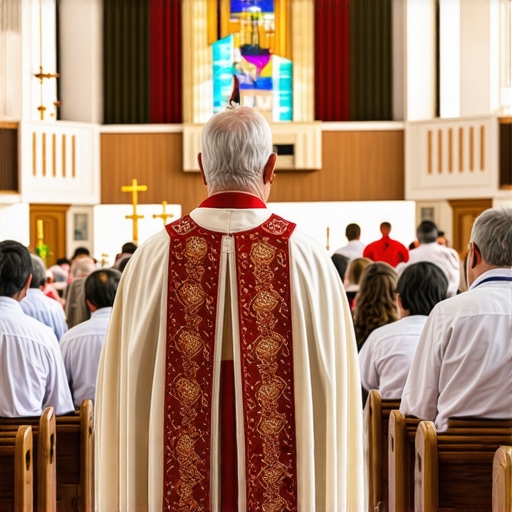
There was a moment in my spiritual journey when I felt truly overwhelmed—like the darkness was closing in, and I didn’t know where to turn. I remember sitting in my pew, questioning if I was doing everything I could to seek divine help. That lightbulb moment made me realize how crucial it is to understand the process of requesting a healing mass in the Diocese of Arlington. If you’ve ever felt desperate for spiritual relief, you’re not alone. Today, I’ll share with you the steps to confidently ask for a healing mass, ensuring you approach your parish with faith and clarity.
Why So Many Feel Lost When Seeking Spiritual Healing
There’s a common challenge that believers face: knowing how to effectively request a healing mass. It might seem straightforward, but in reality, many feel intimidated or unsure about where to start. Perhaps you’ve heard friends mention needing an exorcism or prayer for exorcism in DC or Virginia and wondered, “How do I even bring this up with my priest?” That uncertainty can create a barrier between you and the spiritual help you genuinely need.
Over the years, I’ve learned firsthand how vital it is not just to understand the process, but to also trust in the church’s divine authority to lead us to healing. There’s a mistaken belief that these procedures are opaque or only for select cases, but in truth, the church welcomes anyone seeking liberation from spiritual bondage.
According to experts, recognizing the signs that indicate the need for spiritual intervention is the first step (learn more about these signs at this resource). But what happens after you identify that need? How do you approach your parish or local priests in the Diocese of Arlington?
Having made my own share of mistakes early on—like approaching the process without sufficient preparation—I realize now how essential proper guidance is. For example, I initially thought I could just inform my priest casually, but the church has specific channels and protocols for such cases. I wish I had known that earlier, so I could have avoided unnecessary delays and misunderstandings.
In this guide, I’ll walk you through the practical steps—from recognizing the signs to making a formal request—so you can approach this sacred process with confidence. If you’re ready to move beyond confusion and into the realm of effective spiritual intervention, keep reading. We’re about to break down how to request a healing mass in the Diocese of Arlington like a seasoned believer.
Identify the Precise Nature of the Spiritual Issue
Start by assessing whether your situation warrants a healing mass or exorcism. Look for signs like unexplained physical symptoms, persistent negativity, or feelings of oppression, which could indicate spiritual distress requiring professional intervention. Use trusted resources like expert insights on identifying signs of spiritual need to guide your understanding. Reflect on your experiences and consult trusted spiritual advisors if unsure. During my own journey, I vividly recall consulting a priest when I sensed my home was unusually heavy with negative presence—his evaluation helped me decide to proceed with a formal request for spiritual help.
Gather Necessary Documentation and Personal Details
Prepare a comprehensive account of your situation, including specific incidents, symptoms, and any prior spiritual or medical interventions. This documentation helps your parish priest understand the urgency and context. Ensure you have your contact information ready for follow-up. Remember, priests in the Diocese of Arlington often work closely with medical professionals, so any relevant medical reports or psychological evaluations can be valuable, especially if symptoms mimic mental health issues. My own experience involved organizing a detailed timeline of symptoms, which streamlined communication with the priest and expedited the process.
Consult Your Parish or Local Diocese Office
Next, reach out to your local parish office or the diocesan office directly via their contact page. Be clear about your needs—whether you’re requesting a healing mass, prayer for exorcism, or spiritual cleansing. When I first approached my parish, I explained my situation plainly, emphasizing my trust in the church’s guidance, which fostered a compassionate response. Use an analogy: it’s akin to scheduling a specialized medical procedure—you contact the appropriate department with your detailed case, and they guide you through the next steps.
Request a Formal Consultation or Assessment
Most dioceses prefer to conduct an initial assessment before scheduling any ritual. This involves a spiritual interview—think of it as a diagnostic exam—where the priest evaluates the signs and symptoms, possibly consulting fellow exorcists in Virginia or Northern Virginia for a second opinion. You may be asked to attend a session where a priest, with trained support, determines if a formal ritual is necessary. During my process, I scheduled a meeting where I shared my experience openly; the priest’s discernment confirmed the need for a prayer of deliverance and arranged further support.
Coordinate with the Diocesan Exorcist or Authorized Priest
Once assessed, your case may be escalated to an official exorcist authorized by the Diocese of Arlington. These priests follow strict protocols, such as detailed documentation and multiple consultations. The process mirrors a medical referral—requiring approval and planning. To facilitate this, maintain open communication with the diocesan office and follow their instructions precisely. I remember working closely with a priest who explained the ritual’s scope and outlined what I could do beforehand, which eased my anxiety significantly.
Prepare for Ritual and Follow-Up
Finally, prepare spiritually and practically for the ritual. Conduct personal prayer, ensure your environment is spiritually clean, and follow any guidance from your priest regarding post-ritual care. Remember, spiritual healing often is a journey—not a single event. After my exorcism, I participated in follow-up prayers and counseling, which the priest recommended to sustain progress. Consistent prayer and proper care in Virginia—whether through formal rituals or ongoing spiritual practices—are key to enduring relief.Many believe that the process of requesting an exorcism in Virginia is straightforward and that any priest can perform a ritual whenever there’s a perceived problem. However, this misconception can lead to serious pitfalls. The church mandates a rigorous vetting process, involving multiple assessments by trained exorcists, before approving any formal ritual. Jumping straight into a request without understanding these procedures risks unnecessary delays or even spiritual harm, especially if the individual isn’t genuinely experiencing possession but mental health issues. For advanced practitioners, it’s essential to recognize that not all spiritual disturbances require exorcism; sometimes, psychological evaluation and reconciliation with God are more appropriate. This nuance is often overlooked by those eager for quick fixes. According to expert insights, rushing into rituals without proper discernment can worsen the situation, leading to spiritual exhaustion or exploitation by unscrupulous individuals posing as exorcists. Understanding what makes an exorcism official in Virginia can preempt many of these common mistakes and ensure you’re guided rightly. Moreover, many believe that only Hollywood portrayals depict real demonic activity, but in reality, authentic cases often involve complex spiritual, emotional, and physical signs that require careful evaluation. Approaching a knowledgeable and sanctioned exorcist, rather than a novice or fraud, safeguards your spiritual well-being. It’s a mistake to think that exorcism is a one-size-fits-all solution; instead, it should be part of a comprehensive process that includes confession, prayer, and spiritual counseling. Conflating this holistic approach with sensationalized media narratives or quick-fix mental health remedies ignores the church’s doctrinal framework and risks spiritual harm. So, next time you hear about a nearby exorcist or prayer for exorcism DC, ask yourself: Are they following church protocols? Have they completed proper discernment? Recognizing these nuances ensures you don’t fall prey to myths that could delay or even derail your path to healing. Have you ever fallen into this trap? Let me know in the comments, and stay vigilant in your spiritual journey.
Keep Things Running Smoothly with the Right Tools
Maintaining long-term spiritual health after an exorcism or deliverance session requires more than just faith; it demands the right equipment, practices, and support systems. As someone deeply involved in the spiritual healing community in Virginia and the Washington DC area, I’ve found that specific tools can make all the difference in ensuring sustained protection and peace of mind.
First and foremost, holy water remains a cornerstone. I personally keep a supply in spray bottles for daily blessing routines and to bless my home regularly, which creates a spiritual barrier against negative energies. When used consistently, this simple act fortifies the space, making it less vulnerable to spiritual intrusion. To deepen this practice, I recommend reading about the role of holy water in spiritual warfare and incorporating it into your routine.
Next, respected prayer apps have proven invaluable. I personally use Laudate because of its extensive collection of Catholic prayers, including specific deliverance prayers for ongoing spiritual protection. These facilitate consistent, structured prayer sessions that strengthen your spiritual defenses. Automation helps in maintaining discipline amidst busy schedules, especially when managing the complexities of demon removal in areas like Norfolk and Roanoke.
Another vital tool is spiritual journaling. I keep a dedicated notebook where I log significant events, recurring signs of distress, or breakthroughs. This record-keeping has helped me—and can aid you—in recognizing patterns over time, which is crucial for evaluating the effectiveness of your ongoing efforts. For a detailed guide on spiritual journaling and its benefits, check out this insightful article.
Investing in professional spiritual coaching or participating in a trusted Catholic healing ministry provides ongoing support. Many in Virginia turn to experienced exorcists who offer long-term care plans, often using a combination of prayer, counseling, and ritual reinforcement to ensure lasting results. I’ve personally benefited from periodic check-ins with my spiritual advisor, which foster resilience against future attachments.
Finally, protective relics and blessed objects—such as medals, crucifixes, or blessed candles—serve as tangible symbols of divine protection. I keep them in strategic places around my home to create continuous spiritual barriers. Remember, these are not mere symbols but carry sacramental significance when blessed by authorized priests in the Diocese of Virginia.
Looking ahead, the trend is moving toward integrating technology with faith practices—like virtual prayer groups and digital blessings—allowing those far from physical churches to access powerful spiritual tools. To keep your practice effective, regularly updating your toolkit and staying connected with local exorcists remains essential. For example, you can explore the best practices for maintaining post-exorcism health and see how these tools evolve with modern needs.
How do I maintain spiritual tools over time?
The key lies in consistency and education. Regularly renewal blessed items, stay disciplined in prayer routines, and seek ongoing support from qualified exorcists and spiritual guides. Remember, spiritual protection isn’t a one-time effort but a lifelong practice that adapts as your circumstances change. Next time you consider how to keep your spiritual space safe, try incorporating advanced tools such as daily holy water blessings combined with modern prayer apps—these small steps can significantly boost your resilience against demonic influences in Virginia, Washington DC, and beyond.
Throughout my journey into spiritual liberation, I’ve realized that the dance between faith, protocol, and personal trust requires both humility and insight. One transformative lesson is understanding that, often, the most powerful breakthroughs come from patience and meticulous discernment. Rushing into exorcisms or seeking quick fixes can sometimes do more harm than good; I learned this the hard way, realizing that genuine healing adheres to the church’s sacred protocols and respects the spiritual hierarchy established in Virginia and DC. Another insight is the importance of community—leaning on trusted priests and spiritual mentors who understand the nuanced procedures can turn an overwhelming process into an empowering journey. Additionally, keeping a humble heart and unwavering faith allow divine grace to work through the carefully laid steps, reaffirming that spiritual victory isn’t about shortcuts but about alignment with God’s divine will.