
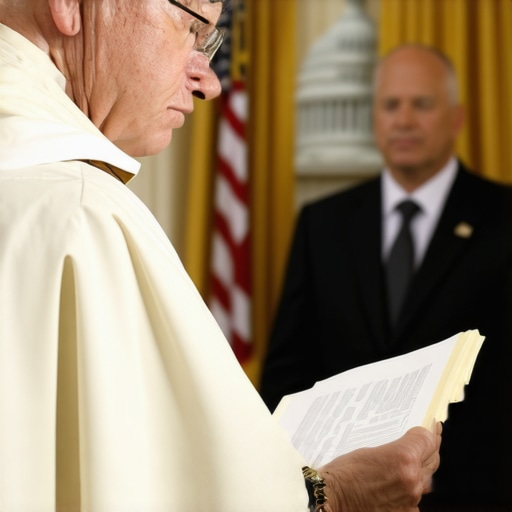
Imagine this: you’re sitting in your dimly lit living room, the air heavy, and suddenly, strange noises start echoing through your home. You’ve heard about hauntings and demonic activity in the neighborhood, but now you’re face-to-face with what feels like a real spiritual battle. The panic sets in. Who can you turn to for help? How do you know if the person claiming to be an exorcist is truly qualified and authorized by the Church? That uncertainty can leave anyone feeling helpless and vulnerable.
Why It’s Crucial to Confirm an Exorcist’s Credentials
I’ve been there—wondering whether the person offering spiritual assistance is genuinely equipped to handle such serious matters. It’s not just about finding someone to perform a ritual; it’s about ensuring they’re properly trained, authorized, and trustworthy. The wrong choice could lead to ineffective remedies, or worse, exploitation. That’s why verifying the credentials of a diocesan exorcist in Washington DC isn’t just a bureaucratic step—it’s a safeguard for your spiritual well-being.
Is It Really Necessary to Verify? My Early Mistake
I’ll admit, early in my journey, I made the mistake of trusting random claims without proper verification. I was desperate—and that’s understandable. But I learned the hard way that not everyone invoking the Church’s name is legitimately authorized. To avoid that risk, I recommend starting by consulting official sources and understanding what makes an exorcist truly qualified. For instance, the Catholic Church requires exorcists to have special authorization from their bishop, backed by rigorous training. You can find more about the official procedures at this detailed guide.
Knowing this, have you ever faced a situation where you questioned the legitimacy of someone claiming to perform spiritual deliverance? If so, you’re not alone. The good news is, with some simple steps, you can ensure you’re working with someone authorized and qualified, giving you true peace of mind. In the next sections, we’ll walk through how to verify those credentials thoroughly, so you’re prepared before making that critical call.
Start with Official Church Channels
Before engaging any spiritual helper, your first move should be contacting the local diocese or archdiocese to confirm if there’s an authorized exorcist available. Use the official contact page to reach out directly, ensuring you receive guidance from someone sanctioned by the Church. I recall calling the Arlington diocese firsthand; their office confirmed the schedule of diocesan-trained exorcists who handle cases discreetly and professionally. This step filters out amateurs or con artists promising quick fixes.
Assess Credentials and Training
Once you’ve identified a potential exorcist, verify their credentials. Official exorcists are appointments made through the Bishop and have undergone specialized training, often documented in diocesan records. The Church emphasizes rigorous preparation—it’s not a casual role. A reliable exorcist will readily share their authorization status and experience, or direct you to official diocesan confirmation.
Look for Specific Signs of Formal Authorization
For example, in Virginia, official exorcists often collaborate with the Catholic Healing Ministry. They may also provide you with references or suggest attending community prayer sessions first, like those described here. Remember, the formal approval process involves a thorough vetting, so genuine practitioners are transparent about their standing. For added assurance, inquire about their familiarity with the official procedures.
Identify the Right Type of Help
Understand the differences between spiritual warfare, demonic possession, and simple psychological issues. A reputable exorcist will perform an initial assessment, often involving prayer, sacramentals, and possibly consultation with medical professionals. For instance, the Catholic Church typically advises ruling out mental health conditions before proceeding with an exorcism, working closely with therapists or doctors when appropriate. This integrated approach ensures the intervention targets genuine cases of possession or oppression.
Evaluate Local Resources and Support Systems
Look for nearby Catholic communities, prayer groups, or healing ministries. Many reputed teams offer discreet consultations—this can be particularly helpful if you’re seeking a Catholic healing ministry in DC. Personal testimonials or community recommendations can provide insight, but always cross-reference with official church sources to prevent scams. In my own experience, attending a session with a trusted prayer group familiar with exorcism protocols helped clarify what to expect and reassured me about legitimacy.
Prepare Your Questions and Expectations
When contacting an exorcist, have clear questions prepared: Are you officially sanctioned? What training have you completed? What’s the expected process? How do you handle cases involving mental health? A professional will answer confidently and outline their procedures transparently. I vividly remember a consultation where their detailed explanation, coupled with proper credentials, eased my fears significantly.
Maintain Vigilance After the Ritual
Even once a qualified exorcist has performed the ritual, ongoing spiritual support may be necessary. Incorporate regular prayer, sacramentals like holy water, and maintain communication with your priest or spiritual director. Follow-up visits might be recommended for persistent issues. To deepen your understanding, exploring resources like spiritual warfare in DC can offer additional strategies for protection and healing.
Many believe that seeking an exorcism near Virginia is as simple as finding someone yelling ‘demon’ and performing a quick prayer, but the reality is far more nuanced. A prevalent myth is that any spiritual rite labeled as an exorcism is valid, yet in truth, the Catholic Church emphasizes strict protocols and authentication before any ritual is performed. Relying on non-sanctioned practitioners not only diminishes the effectiveness of the process but can also expose individuals to fraud or spiritual harm. For instance, some fear that exorcisms are only about confronting demons directly, but genuine procedures are deeply rooted in sacramental theology, requiring careful assessment and preparation. It’s crucial to understand that not every supposed “exorcist” is authorized or trained to handle possession cases—trusting the wrong individual can delay proper treatment and escalate the distress. This is why verifying credentials through official church channels, such as the Catholic Healing Ministry in DC, is indispensable. Moreover, a common mistake is thinking that a simple blessing suffices; in reality, complex cases often necessitate a coordinated effort involving prayer, sacramentals, and psychological evaluation. Failing to recognize these nuances might lead you to pursue ineffective or even harmful interventions. An advanced point often overlooked is the importance of understanding the difference between oppression, infestation, and possession—each requiring distinct approaches. According to spiritual warfare expert Dr. Bob McGinnis, grasping these distinctions is vital for appropriate treatment and protection.
Have you ever fallen into this trap? Let me know in the comments.
Investing in Reliable Equipment: My Personal Recommendations
When it comes to maintaining effective exorcism and spiritual warfare, having the right tools at your disposal is crucial. I personally rely on a combination of sacramentals, sound spiritual guides, and modern tools to ensure consistent, long-term results. An essential piece of equipment I use regularly is holy water, prepared according to strict church guidelines, which serves as a physical symbol of spiritual protection.
In addition, I utilize specialty prayer books that contain approved exorcism prayers and spiritual warfare prayers, such as the official rituals shared by Virginia exorcists. These texts are invaluable for guiding the process and ensuring I perform each step with accuracy and reverence. For more discreet spiritual support, I recommend a reliable icon of Saint Michael, which acts as a constant reminder of divine protection during prolonged warfare.
Harnessing Technology: Apps and Software for Spiritual Heartbeat
While spiritual tools are often physical, I also integrate technology to maintain focus and track progress. Apps like prayer timers help structure daily prayer routines, what I found especially effective is the “Divine Office” app that provides the Liturgy of the Hours, reinforcing regular prayer discipline. Notably, some exorcists leverage audio recordings of prayers to deepen meditative focus, ensuring their intentions are consistently aligned with ecclesiastical standards.
Another innovative approach I recommend involves digital journaling through encrypted apps to record encounters, specific prayer outcomes, and patterns of spiritual activity. This data becomes useful for identifying persistent areas requiring attention and adjusting your prayer strategy over time.
How do I maintain spiritual tools over time?
Consistent maintenance of your equipment and routines is what ensures sustained effectiveness. Regularly consecrate new items, like candles or sacramentals, to renew their spiritual potency. Periodic review of your prayer materials is vital—discard outdated texts and acquire updated editions authorized by the church. In addition, continuously seek additional training or mentorship from certified exorcists or spiritual directors, especially as you encounter evolving challenges. An excellent resource for expanding your understanding is the spiritual warfare support in DC.
Prediction suggests that future exorcism support will increasingly incorporate virtual reality experiences and augmented reality for immersive spiritual prayer sessions, which could revolutionize ongoing engagement. If you’re serious about long-term success, start experimenting with integrated apps and dedicated spiritual equipment today.
Try upgrading your prayer routine with a personalized prayer app and investing in authentic sacramentals—these small steps can significantly bolster your exorcism support system and prepare you for complex cases that demand consistent, reliable tools.
Having immersed myself in the world of spiritual warfare and exorcism within Virginia and Washington DC, I discovered that the journey is far more nuanced than I initially thought. One of the most profound lessons I’ve learned is that genuine exorcists are rarely eager to showcase their expertise; their credibility is reflected in quiet professionalism rather than flashy claims. Recognizing the subtle signs of authenticity—such as thorough diocesan procedures and transparent communications—can save you from being misled by amateurs or unwarranted fears.
Another vital insight is the importance of patience and thorough preparation. Rushing into a spiritual deliverance without proper verification or understanding can do more harm than good. The real key is building trust with authorized practitioners, ensuring your case is handled with sanctity and care. This often means engaging with trusted community resources, such as the Catholic healing ministry in DC, and confirming their credentials meticulously.
Lastly, I discovered that maintaining spiritual vigilance is an ongoing process, even after the initial ritual. Regular prayer, sacramentals, and staying connected with your spiritual guides offer sustained protection against negative influences. Embracing this holistic approach—combining official procedures, trustworthy support, and personal spiritual discipline—empowers you to face spiritual challenges confidently and with serenity.