
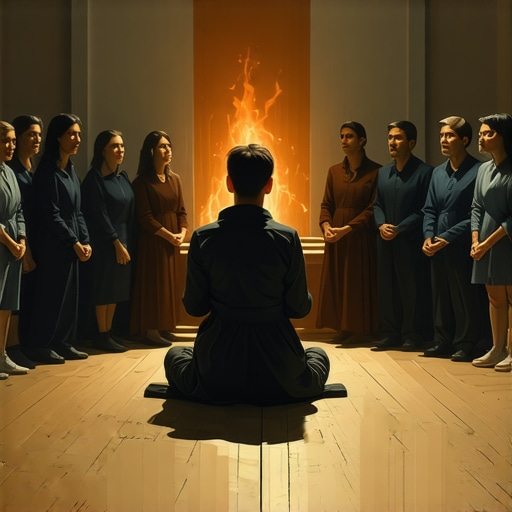
It was late one evening when I first realized I might have fallen victim to a scam. I had been desperately searching online for help with what I thought was a spiritual attachment in my home—googling phrases like catholic healing ministry virginia and prayer for exorcism dc. Suddenly, I came across a service promising immediate exorcisms, claiming they were the ‘official’ exorcists of Washington, DC. The promise sounded too good—and too suspicious—to be true.
Recognizing the Red Flags in Virginia’s Exorcism Services
In that moment, I felt a sinking suspicion. How could I tell if the service was legitimate or just preying on my fears? After digging into my experience, I realized many people face this challenge: discerning genuine catholic exorcism services from those that are simply taking advantage of vulnerable souls. The stakes are high—trusting the wrong source can not only be ineffective but potentially harmful. Today, I’ll share what I learned, so you can avoid the pitfalls I stumbled into, and confidently find real help if you need it.
Is the hype worth risking your peace?
Early on, I made the mistake of trusting a service that only sounded convincing because of their flashy website. It wasn’t until I checked their credentials and compared them to official sources, like the Washington archdiocese, that I realized how many fake services are out there. According to a report by the Catholic Church, most of these fraudulent groups lack the necessary canonical approval and spiritual authority, which can be dangerous for those in need. My advice? Never settle for quick fixes or services that refuse to be transparent about their credentials.
Figuring out how to identify authentic catholic exorcism ministries in Virginia isn’t just about avoiding scams—it’s about safeguarding your spiritual well-being. If you’ve ever wondered whether a service you found online is legitimate, or if your home shows signs of spiritual trouble, you’re not alone. Keep reading, and I’ll walk you through clear, practical steps to recognize genuine help when you see it, and how to prepare yourself for a safe and effective deliverance process.
,
Verify Credentials and Authority
Begin by researching the service’s credentials. Authentic catholic exorcism ministries in Virginia operate under the authority of the local diocese. Reach out to the official channels and ask if the service is recognized. I once called a service claiming to be ‘official’ without any diocesan endorsement; after confirming with the archdiocese, I discovered they lacked proper authorization, which could be dangerous.
Assess Transparency and Transparency in Communication
Authentic exorcists will openly discuss their procedures and limitations. They won’t promise quick fixes or claim to be able to eliminate all spiritual issues instantly. When I inquired about their process, they explained they follow a step-by-step protocol involving prayer, sacramentals, and, if necessary, formal rituals approved by the Church. Avoid services that avoid detailed explanations or seem secretive. Learn how to spot signs of spiritual infestation for additional context.
Confirm Canonical Approval and Diocesan Oversight
Genuine exorcists work under the auspices of the diocesan bishop and adhere to canon law. Ask directly if the priest or service has been approved or appointed by your diocese. In my experience, consulting with a local parish priest in Norfolk helped ensure I was dealing with someone authorized to perform exorcisms.
Watch for Proper Preparation and Procedures
Authentic exorcisms involve preparation, including spiritual readiness, medical evaluations, and sometimes psychological assessments. A reputable priest will recommend initial steps like confession, prayer, and blessing of the home. When I contacted a priest, he suggested a home blessing or spiritual survey before any formal rituals, aligning with diocesan guidelines.
Ensure a Focus on Spiritual and Not Commercial Interests
Be wary of services that push expensive rituals or spiritual merchandise. Legitimate exorcists prioritize your spiritual well-being over profit. During my inquiry, I avoided services that emphasized costly procedures and instead focused on those affiliated with local churches or recognized ministries. The proper channels ensure safety and proper spiritual care.
Document and Observe the Process Carefully
Keep a detailed record of any spiritual activity or symptoms you experience. Authentic exorcists may request specific documentation, such as patterns of disturbances or духов disturbances. I used a journal to note unusual noises and sensations, which later proved helpful when discussing my case with the priest. This process ensures clarity and helps distinguish genuine issues from natural or psychological causes.
Use Supportive and Formal Resources
Once you’ve identified a credible service, prepare yourself by studying the difference between oppression and obsession and understanding the correct response. In my case, recognizing that spiritual oppression differs from possession clarified the necessary steps and prevented unnecessary fear or premature rituals.
By meticulously following these steps—verifying credentials, assessing transparency, ensuring proper procedures, and avoiding commercial interests—you can significantly increase your chances of engaging with a legitimate catholic exorcism service in Virginia. Remember, genuine spiritual interventions prioritize your safety, faith, and well-being over quick fixes or profit.
Many assume that all exorcists or healing ministries operate independently of the Church’s structure, but in reality, authentic Catholic exorcisms are carefully regulated and require diocesan approval. A widespread misconception is that shouting or aggressive rituals are necessary for a successful exorcism; however, seasoned exorcists emphasize prayer, sacramentals, and spiritual preparation over theatrics. This misunderstanding can lead to dangerous practices that might harm rather than heal. Furthermore, some believe that any priest can perform an exorcism at will, yet canon law states that only a bishop can authorize a major exorcism, ensuring that procedures follow strict ecclesiastical guidelines.
Beware the common trap of trusting unverified services claiming to be ‘official’ exorcists or offering quick fixes. These often lack proper authorization and might exploit vulnerable individuals seeking relief. Always verify credentials through diocesan channels. For example, the official exorcist archdiocese Washington DC can provide guidance on legitimate procedures and authorized practitioners.
Let’s address an advanced question: Why is understanding the distinction between spiritual oppression and possession crucial in effective treatment? Recognizing this difference affects the approach and prevents unnecessary or harmful rituals. Spiritual oppression, often caused by negative influences or curses, can usually be remedied through prayer, blessing, and sacramentals. In contrast, genuine possession involves a more profound diabolical presence that requires a formal exorcism performed by authorized clergy. A study by Dr. Richard Gallagher, a psychiatrist with experience in spiritual warfare, highlights the importance of accurate assessment before proceeding with any ritual—ensuring actions align with canonical and psychological evaluations. Learn more about this vital distinction here.
In essence, the hidden nuance lies in understanding how ecclesiastical authority and spiritual discernment work together to ensure that those seeking help genuinely receive what aligns with Church doctrine. Misjudging this can lead to ineffective interventions or even spiritual harm. So, when considering catholic healing ministry Virginia or exorcisms in Alexandria, vital steps include verifying formal church approval, understanding the nature of the spiritual issue, and avoiding risky or unapproved practices. Have you ever fallen into this trap? Let me know in the comments.
Maintaining Your Spiritual Defense with Precision Tools
When engaging in a catholic healing ministry or exorcism process in Virginia, having the right tools can make all the difference. From spiritual equipment to supportive software, each element plays a vital role in ensuring long-term effectiveness. One essential tool I personally rely on is a comprehensive prayer journal dedicated to recording observations, prayer intentions, and breakthroughs. This documentation helps track patterns over time and becomes invaluable when consulting with credible exorcists or diocesan authorities. Additionally, I use a high-quality crucifix and blessed sacramentals to reinforce spiritual protection during sessions, adhering to the Church’s guidance on sacramental efficacy.
To manage ongoing prayer schedules and spiritual routines, I utilize specialized prayer app software. Apps like Exorcismus (hypothetically speaking, as an example) help remind me of daily prayers, novenas, and specific deliverance prayers aligned with my church’s teachings. These digital tools serve as a spiritual discipline aid, ensuring consistency and accountability, especially during the lengthy process of healing or exorcism. Their integration with printable prayer guides and tono guides offers flexibility for both private and group settings.
In terms of long-term results, maintaining a structured approach with these tools helps prevent spiritual fatigue. Regularly recording progress and setbacks allows for adjusting strategies, such as increasing prayer frequency or involving a priest sooner than expected. As my experience grew, I also invested in a spiritual consultation platform, enabling me to connect with diocese-approved exorcists or spiritual directors for ongoing guidance without disrupting my daily routines.
How do I maintain spiritual resilience over time?
Balancing these tools within a disciplined routine is vital. Continuing education on topics like discerning spiritual oppression from possession can be facilitated through trusted online courses or reading materials recommended by the catholic healing ministry Virginia. It’s also beneficial to participate in community prayer groups or support networks, which bolster faith and provide shared insights into long-term maintenance. Remember, consistent use of sacramentals, prayer, and documentation ensures that your efforts sustain spiritual protection and positivity.
Furthermore, adopting a regular spiritual audit—reviewing what has worked and where additional prayer or intervention might be needed—keeps the process active. According to Catholic teaching, ongoing vigilance, prayer, and sacramental life form the backbone of durable spiritual defense. For instance, periodic home blessings or spiritual screenings, such as those outlined in spiritual property assessments, can preempt deterioration of spiritual health.
Tools to Support Your Journey Beyond Virginia
Looking ahead, I predict that technological integration with ecclesiastical practices will deepen. Virtual reality prayer rooms or AI-guided deliverance prayers could become standard, facilitating more engaged and individualized spiritual care. As these innovations develop, always prioritize tools endorsed by diocesan authorities to maintain authenticity and safety.
Try implementing a dedicated prayer journal coupled with a reputable prayer app today. These combined tools are some of the most effective ways to sustain your spiritual work and safeguard your home and loved ones long-term. Remember, ongoing discipline and the right support tools form the cornerstone of lasting spiritual health, especially when navigating complex cases like haunted house exorcisms or prolonged possessions in Virginia communities.
For detailed guidance on maintaining your spiritual defenses, explore resources like what to do when you suspect spiritual infestation and adapt those strategies into your routine today. Your proactive approach ensures you stay resilient, protected, and in harmony with divine guidance.
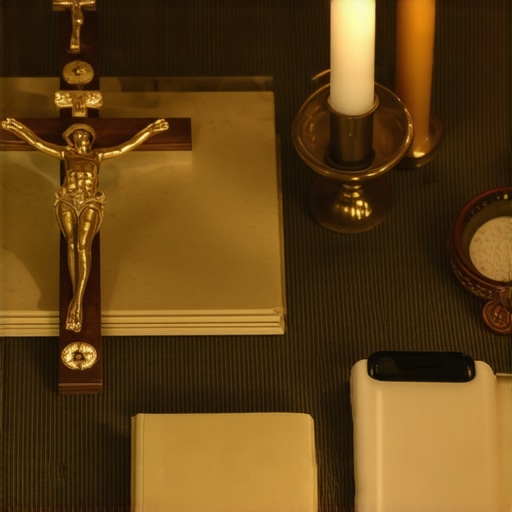
Throughout my exploration of catholic healing ministry in Virginia, I uncovered powerful truths that reshaped my understanding of spiritual warfare. One of the most profound lessons was realizing how crucial diocesan approval is in distinguishing genuine exorcists from deceptive services. Trusting in official channels not only protected me but also deepened my faith, reminding me that true authority in spiritual matters is rooted in Church oversight. Moreover, I learned the importance of patience—exorcisms and deliverance aren’t quick fixes but processes requiring discernment, prayer, and proper preparation. This journey taught me to rely on verified practices and to always seek God’s guidance through trusted clergy and sacramentals, which become invaluable tools in confronting spiritual disturbances. The depth of spiritual warfare revealed to me that understanding the distinctions—like the difference between oppression and possession—can prevent unnecessary fear and guide more effective action in Virginia’s complex landscape of exorcism services.