

It was late at night, and I found myself kneeling by my bed, heart pounding, feeling an inexplicable heaviness that wouldn’t lift. No matter how many prayers I recited, the darkness seemed to cling tighter. That’s when I realized—sometimes, what we face isn’t just emotional or psychological. It can be spiritual, and it calls for a different approach.
Trusting the Parish’s First Step: The Healing Mass
In my experience, many in Roanoke and surrounding Virginia communities worry about the idea of exorcisms or spiritual warfare. It’s natural to feel skeptical or even frightened. But what if I told you that your parish’s suggestion to start with a healing mass isn’t a sign of weakness but a wise, canonical step? Healing masses focus on God’s grace and spiritual renewal, and they can be surprisingly effective in providing relief from unseen burdens.
Often, when I’ve advised families facing suspected spiritual disturbances, their first instinct is to seek immediate exorcism services. While these are available, they’re tightly regulated and only authorized in serious cases—as explained by diocesan guidelines. Jumping straight into an exorcism without proper discernment can sometimes do more harm than good. Starting with a healing mass creates an opening for God’s grace to work gently but powerfully, often lifting the darkness without the need for formal rituals.
Is a Healing Mass Really Worth It?
Early in my journey, I made the mistake of dismissing the power of these Masses, thinking they were superficial or just a formality. After witnessing genuine relief and spiritual breakthroughs through them, I saw their value firsthand. Don’t be caught up in misconceptions—these Masses are rooted in the authority given to the Church to bring healing and peace. For a deeper understanding of the Church’s process in deliverance, you might find this overview helpful: How Major Exorcisms are Approved.
If you’re feeling overwhelmed, confused, or just curious about why your parish suggests this gentle starting point, you’re not alone. Many have faced the same doubt before discovering the profound grace at work during these Masses. Next, let’s explore how to recognize when spiritual interference might be more serious—and what steps to take if that’s the case. Are you facing this sort of struggle in your home or life? Keep reading—because understanding the right first step could be transformative for you.
Identify the Need for Exorcism Carefully
Recognize the signs that distinguish spiritual disturbances from mental health issues. Symptoms like persistent physical phenomena, violent behavior, or unexplainable fears may indicate deeper spiritual activity. Conduct a spiritual audit of your environment to gauge whether there’s genuine demonic influence. Remember, only credible priests and diocesan-approved exorcists can determine the necessity of a formal exorcism, preventing unnecessary procedures.
Seek Guidance From Trusted Parish Authorities
Start by consulting your local parish priest about your concerns. They can evaluate your situation, offer blessings, or recommend further action, such as a house blessing or spiritual counseling. A priest’s initial intervention often involves sacramentals like Holy Water, prayer, and confession, which are proven defenses against spiritual attacks.
Gather Necessary Documentation and Evidence
Maintain detailed records of unusual occurrences: dates, descriptions, and any physical or emotional effects you experience. This documentation supports your case when consulting a diocesan exorcist. If symptoms persist, a priest may need to review your spiritual history to rule out occult involvement or curses.
Engage in Sacramental Living and Prayer
Enhance your spiritual defenses by daily recitation of the Rosary, Stations of the Cross, and regular confession. Live a sacramental life, which significantly bolsters your resilience. Parishes often encourage this before proceeding with formal exorcism procedures, as a life rooted in grace diminishes demonic footholds. Prioritize traditional prayers for spiritual protection.
Consult the Diocese for Formal Evaluation
If preliminary steps fail to resolve your distress, contact the diocesan office to request an official evaluation. The diocese will assess your case, often involving multiple priests and prayer teams, to determine if an exorcism is justified. Remember, these procedures require approval from a bishop, as per Church law.
Prepare for the Exorcism Ritual
Once authorized, the exorcist will prepare you and your environment. You might need to undergo medical and psychological evaluations first, to exclude natural explanations, which dioceses universally recommend—see requirements for exorcism in Virginia. The ritual itself involves sacred prayers, scripture, and blessed objects, designed to invoke Christ’s authority over evil. Trust in the process; it’s structured for your spiritual safety.
Post-Exorcism Care and Support
After the ritual, continue living sacramentally. Participate regularly in Mass, confession, and personal prayer. Many families report that ongoing spiritual support helps maintain peace—in fact, practical support such as parish counseling plays a vital role. Beware of superficial fixes; authentic deliverance is a journey grounded in ongoing grace and obedience to Church teachings.
Myth-Busting: Why Not Every Unexplained Phenomenon Demands an Exorcism
One of the most persistent misconceptions is that all strange sounds, possessions, or spiritual disturbances automatically mean demonic activity necessitating exorcism. In reality, the Church emphasizes thorough discernment before proceeding with a formal rite. Many so-called possessions are rooted in psychological or natural causes, and jumping straight to exorcism without proper evaluation can do more harm than good. Learn about the differences between Hollywood portrayals and real Church practices.
The Hidden Danger of Misleading Self-Help Approaches
Another common trap is the belief that personal or non-Catholic spiritual practices can resolve serious demonic issues. While prayer and sacramentals are powerful, they are not substitutes for the authentic exorcism process authorized by the Church. Relying on unapproved methods risks reinforcing the problem or delaying proper treatment. Remember, a Major Exorcism needs diocesan approval and careful preparation.
What Advanced Practitioners Know About Demonic Nuances
Let’s dig deeper—many believe that exorcists perform instant cures or that a single ritual will remove all evil. In fact, confession and ongoing spiritual discipline are crucial components of genuine deliverance. It’s a process that demands patience, discernment, and adherence to Canon Law. An article published by experts in spiritual warfare emphasizes that authentic exorcisms are complex and tailored, not cookie-cutter procedures, underscoring the importance of working with authorized clergy. Have you ever fallen into this trap? Let me know in the comments.
Equip Yourself with Proven Tools for Long-Term Success
When engaging in spiritual warfare or seeking exorcism services in Washington DC or Virginia, having the right tools can make a significant difference in the outcome. I personally rely on a combination of canonical sacramentals, spiritual direction, and protective software to maintain results over time. For example, I always keep a well-charged Holy Rosary and blessed crucifix nearby; their power is rooted in centuries of Church tradition and have been proven to provide immediate spiritual protection during intense encounters.
In addition to physical sacramentals, I utilize E-Scripture Apps—specifically, an app that provides instant access to Latin and Greek Bible passages. This allows me to quickly recite relevant scriptures during prayer, which the Church recognizes as vital in spiritual battles. Staying consistent with daily prayers is essential; I recommend setting digital reminders to pray the Rosary or other traditional prayers, like the traditional prayers for spiritual protection.
For long-term spiritual health, I employ a dedicated Spiritual Journal to track occurrences and progress. Record any unusual phenomena, prayer efforts, and breakthroughs. This documentation is invaluable when consulting with a diocesan exorcist or diocesan-approved priest. Over time, patterns emerge that help determine whether ongoing intervention or adjustments in prayer strategy are necessary.
How do I maintain spiritual strength over time?
Steady engagement with sacramentals such as Holy Water and blessed objects, along with regular confession, ensures your defenses stay strong. Technology can assist in this, too—many priests now recommend using digital prayer guides and participating in online prayer groups for communal support, especially in tight schedules or during spiritual crises. You might also explore specific deliverance prayer sessions in Virginia, which are increasingly accessible through diocesan channels.
Anticipating the Future of Exorcism and Spiritual Warfare Tools
As technology advances, expect more sophisticated tools like augmented reality prayer guides and AI-powered spiritual assessments to become part of the exorcist’s toolkit. These innovations aim to enhance real-time discernment and support, making deliverance efforts more precise and effective. Staying informed about such developments enables families and priests to integrate these resources confidently, ensuring the long-term success of their spiritual defenses.
For those interested in more advanced strategies, I encourage you to start implementing a comprehensive spiritual journal combined with technology-based prayer aids. These simple but powerful steps can enhance your resilience against demonic influences.
How do I keep my spiritual defenses effective?
One practical tip is to incorporate regular sacramental living into your daily routine, which scientifically supports spiritual resilience. Try adopting this method consistently—it’s a proven approach that can make a tangible difference in your spiritual battles.
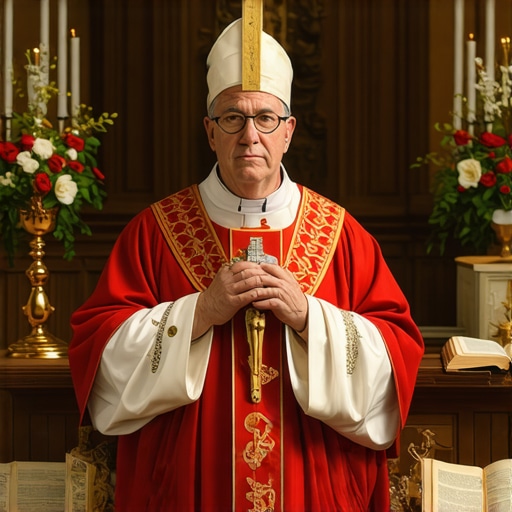
Throughout my journey helping families and individuals in Virginia confront spiritual disturbances, I’ve uncovered insights that rarely make it into mainstream discussions. One of the most profound lessons is that genuine spiritual healing often begins with trust—a trust in the Church’s experienced clergy and the sacred rituals they perform. For example, understanding the diocesan approval process, as detailed here, underscores the Church’s commitment to safety and discernment before proceeding.
Moreover, I’ve learned that the difference between a homeowner calling an exorcist and one seeking sacramental support often hinges on timing and preparation. Engaging in daily prayer, sacramentals, and spiritual discipline creates a solid foundation that can prevent the escalation of disturbances—don’t underestimate the power of living a sacramental life, as discussed here.
Another eye-opening realization is that not every strange occurrence is demonic. Many cases resolve through blessing homes or prayer, emphasizing the importance of proper discernment—learn more about signs of true diabolical activity here. This helps families avoid unnecessary fear and unnecessary procedures.
Finally, I’ve come to appreciate the vital role that ongoing spiritual support plays post-deliverance. Incorporating community prayer groups and maintaining sacramental routines ensures long-term resilience—not just a quick fix. To explore how these practices can be seamlessly integrated, read this article for more insights.