
It was late at night when I finally realized I couldn’t handle the strange unease creeping through my home anymore. Doors creaked on their own, shadows danced where there should have been none, and sleep became a distant memory. For months, I ignored the signs, chalking them up to stress or imagination. But when I started experiencing intense nightmares and unexplained occurrences, I knew I had to act—and fast. That night marked my lightbulb moment: understanding the proper steps to request a priest for spiritual help in Northern Virginia is crucial, yet confusing if you don’t know where to start.
Why Seeking Spiritual Help Can Be a Challenge
Finding a trusted voice in spiritual deliverance isn’t always straightforward, especially amidst the myriad of information—and misinformation—available online. Many families like mine face fear, uncertainty, and skepticism when considering the possibility of possession or spiritual disturbance. I learned early on that not every practitioner claims authentic expertise; some even pose as counterfeit exorcists, which can be dangerous.
It’s vital to approach this process with caution and knowledge. The Catholic Church in Virginia has specific protocols for handling exorcism requests, emphasizing the importance of medical and psychological evaluations first. According to experts, many cases initially thought to be possession are better explained by mental health issues, and jumping straight into rituals can do more harm than good. My mistake was bypassing those preliminary steps—an error I won’t repeat.
If you’re like me, facing these unsettling experiences, you might be overwhelmed wondering where to turn. Do you know if your local church can help? Or are you falling into the trap of unqualified practitioners? Rest assured, with the right guidance, you’re not alone. I’ll walk you through the essential steps to ensure your request is taken seriously and handled appropriately. For instance, Virginia families are encouraged to verify their local parish’s procedures, ensuring that any formal exorcism request adheres to diocesan protocols, which you can learn more about in this detailed guide.
Before diving into the steps, it’s important to clarify what truly constitutes a legitimate request. Knowing the difference between oppression, obsession, and possession is crucial—and understanding what signs indicate a deeper, spiritual issue versus a psychological one can help you prepare. To truly safeguard your loved ones and home, initiating contact through the proper channels ensures your concerns are addressed by qualified clergy—an approach I only discovered after a stressful and unnecessary detour. If you’re facing similar challenges, let’s explore the practical steps together to make sure your request leads to the support you need.
Identify the Signs and Assess the Situation
The first step is recognizing whether the issue is spiritual or psychological. Look for persistent nightmares, feelings of oppression, and unexplained phenomena. Document these occurrences to share details with your priest. Remember, the distinction between mental health and spiritual affliction is vital before proceeding.
Contact Your Local Parish or Diocese
Reach out to your local Catholic parish in Virginia or directly contact the diocesan office. Emphasize the seriousness of your concern and inquire about their process for spiritual assistance. Many families find it helpful to start with a prayer group or prayer group dedicated to spiritual healing. Be prepared to share your observations and personal history.
Medical and Psychological Evaluation is Essential
The Church requires medical clearance before any formal exorcism can be considered. Schedule an evaluation with a healthcare professional familiar with these cases. This step ensures that natural causes are ruled out, reducing the risk of misdiagnosis. To understand why this is non-negotiable, visit why Virginia families start with medical evaluations.
Meet with a Qualified Priest or Exorcist
Once cleared medically, arrange a meeting with a trained Catholic priest certified for exorcisms. Confirm their credentials and experience by asking for references or verifying their standing within the diocese. Beware of fraudulent practitioners. During this appointment, discuss your documentation, share your experiences, and ask about the steps they recommend.
Understanding the Ritual Process
The priest may perform preliminary prayers for spiritual protection and house blessings, which can be effective in addressing minor disturbances. If the issue persists, a formal exorcism may be authorized, always in accordance with legal and ecclesiastical protocols. Practicing patience is key, as some cases require multiple visits or prolonged prayer sessions. For specific prayers recommended in Virginia, see prayers for home protection.
Prepare Your Home and Family
Create an environment conducive to spiritual healing by maintaining a sacramental lifestyle—regular confession, prayer, and worship. Use holy water and sacramentals to reinforce spiritual defenses. Read about home blessing techniques involving holy water and salt. Also, educate your family on the importance of spiritual vigilance and unity during this process.
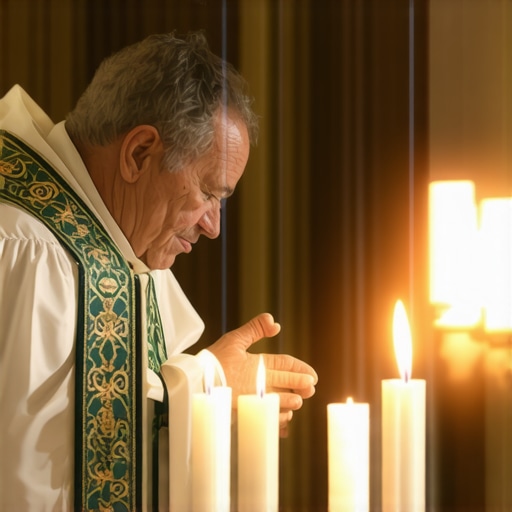
Visual aid showing a priest performing a blessing in a Virginia home, emphasizing the importance of sacramentals and prayer in spiritual protection.
While many believe that exorcisms are a common response to spiritual disturbances, in reality, the Catholic Church approaches these cases with cautious discernment. A prevalent myth is that any spiritual issue automatically warrants an exorcism; however, church protocols emphasize thorough medical and psychological assessments before considering the ritual. Another misconception is that exorcisms are theatrical or performed publicly; in truth, the rite is rarely public and is conducted with solemnity and strict ecclesiastical guidelines. Many also assume that priests perform exorcisms independently, but they are usually part of a specialized and trained exorcism team within the diocese.
A significant mistake is neglecting the importance of initial medical evaluations—many cases thought to be spiritual in nature are rooted in mental health issues. This oversight can lead to unnecessary rituals and neglecting proper care. Furthermore, some believe that only severe cases qualify for formal exorcism; however, the Church recognizes a spectrum of spiritual afflictions, and minor prayers and blessings often suffice for initial relief.
Making assumptions about the Church’s approach can be risky; engaging with unqualified practitioners, for instance, may lead to exploitation or spiritual harm. Always verify credentials and follow ecclesiastical protocols—this safeguard is especially critical in Virginia, where diocesan guidelines are clear and well-established. The diocese recommends starting with your local parish before moving to specialized exorcists.
Are you aware of the actual procedures and the importance of proper vetting? Many fall into the trap of pseudoscience or seek quick fixes, overlooking that real spiritual deliverance is a process rooted in faith, discipline, and ecclesiastical authority. Let’s dig deeper—what misconceptions have you encountered? Share your experience in the comments. **Knowing the true nature of exorcisms in Virginia can save you from unnecessary fear and potential harm.**Maintaining a consistent and effective exorcism practice requires more than just faith; it involves utilizing specific tools and methods that ensure the process remains spiritually potent and aligned with ecclesiastical standards. In Virginia, where diocesan protocols are strict, possessing the right equipment and adopting proven methods can make a significant difference in outcomes.
One of the most vital tools in spiritual warfare is Holy Water, which acts as a tangible shield against negative influences. Regularly blessing it and keeping a stock on hand allows for quick deployment during house blessings or protection prayers. I personally recommend using water blessed in a pilgrimage church or during a diocesan-approved ceremony, as it carries greater spiritual efficacy.
Sacred Salt is another indispensable element. Like Holy Water, it serves as a barrier when sprinkled around entrances or within specific rooms. Maintaining fresh, blessed salt ensures your defenses remain effective. I keep a jar of blessed salt in my home and replace it seasonally after church blessings.
Investing in a *spiritual incense* such as frankincense or myrrh can also assist in purifying environments during prayer sessions. Burning these around the house can elevate the spiritual atmosphere, making it more receptive to divine power. For durability and consistent quality, I opt for high-grade, Church-certified incense.
Regarding methods, consistent prayer routines are paramount. Engage daily in the *Our Father*, *Hail Mary*, and specific prayers recommended by Arlington priests for protection, such as those detailed in the recommended prayers for home protection. These routines help maintain spiritual clarity and ward off creeping negativity.
Another crucial aspect involves documenting any signs of spiritual activity. Keeping a detailed journal of occurrences, dates, and observations helps in assessing if the interventions are effective or if further ecclesiastical action is needed. This record can be invaluable when consulting with your local priest or exorcist.
Looking ahead, the future of exorcism in Virginia seems to lean more towards integrating advanced spiritual tools with traditional rituals. Tech-influenced methods such as electronic Holy Water sprinklers or vibration-based prayer devices might sound unconventional but can augment regular practices, especially in larger households or community settings. The Church remains cautious, so any adoption of technology should be approved by qualified clergy.
How do I maintain spiritual defenses over time?
Maintaining these tools and routines requires discipline and ongoing engagement. Regular participation in prayer groups, like the ones found in Fairfax, or attending healing Masses can reinforce your spiritual defenses. Moreover, ensuring your environment remains sanctified through periodic house blessings not only preserves the efficacy of your tools but also keeps your home as a fortress against spiritual disturbances. For guidance tailored to your specific situation, consider consulting with a trusted spiritual director or reviewing diocesan guidelines on ongoing spiritual maintenance.
Remember, staying vigilant and proactive is vital. Try to incorporate these tools and methods into your daily routine to uphold a resilient spiritual environment. Quoting experts like Dr. Michael S. Heiser, who emphasizes the importance of tangible sacred objects in spiritual warfare (see The Unseen Realm), can deepen your understanding of these practices. Regularly updating your approach with trusted tools and discipline ensures that your defenses remain strong, and your spiritual journey is effective.
The Hidden Wisdom of My Journey Through Deliverance
One of the most profound lessons I learned was the necessity of thorough preparation before engaging in spiritual rituals. Jumping into exorcism without proper assessment can do more harm than good, a truth I discovered through my own trials. Additionally, forging a solid relationship with trusted clergy provided reassurance and guidance, turning a daunting process into a hopeful path. Lastly, embracing the power of sacramentals like holy water and blessed salt reinforced my home’s spiritual defenses, teaching me that tangible tools grounded in faith can offer real protection.
Tools and Insights That Changed My Approach
For those embarking on a similar journey, I recommend delving into authoritative resources such as Virginia diocesan guidelines to understand the official protocols. Books like The Unseen Realm by Dr. Michael S. Heiser provided me with deeper insights into spiritual warfare’s biblical foundation. Joining prayer groups through trusted links such as prayer groups in Fairfax kept me spiritually anchored and connected with others on the same path. These credible sources became my anchors amidst confusion and fear.
Harnessing Faith to Face Future Challenges
Empowered by experience, I now approach spiritual disturbances with a calm resolve, confident that divine protection and proper ecclesiastical guidance are my best allies. Remember, you don’t need to face these challenges alone—local clergy, trusted prayer communities, and sacramentals can empower you to stand firm. Whether it’s through regular prayers or seeking professional help when needed, your proactive steps in spiritual defense can turn fear into faith. What steps are you planning to take to strengthen your spiritual defenses today? Let me know below—sharing our stories helps us all grow stronger together.