
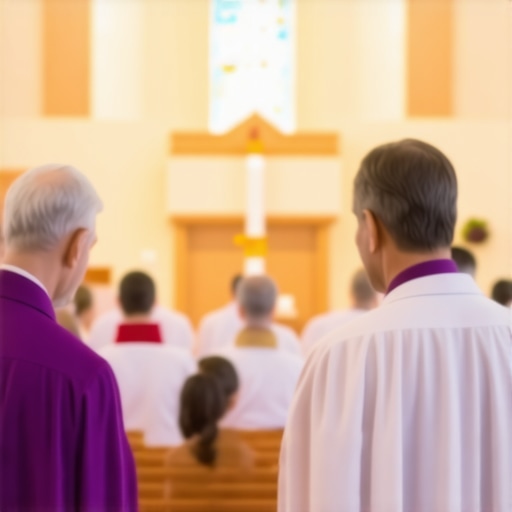
It was a sleepless night when I first realized something was terribly wrong in my home. Unexplainable noises, shadows lurking even with the lights on, and a heaviness that refused to lift—these were not just haunting stories from a distant town, but my everyday reality. That lightbulb moment made me question everything I thought I knew about spiritual battles and who truly has the authority to help. If you’ve felt that unsettling presence or questioned whether your home is safe from unseen forces, you’re not alone. Many families in the Washington DC area face these struggles but hesitate to seek help due to skepticism or fear of judgment.
The Power of Trusting Official Diocesan Channels for Deliverance
Choosing to turn to the official channels of the Catholic Church was a turning point for my family and me. In our community, there’s a tendency to dismiss these issues as mere superstition or mental health problems. However, research indicates that spiritual distress is often intertwined with psychological well-being, making professional spiritual guidance essential. Official diocesan exorcists and priests are trained to handle these delicate situations with the proper authority and discernment, following protocols that have been refined over centuries. Trusting these channels not only provides a sense of safety but also ensures that you’re working within the framework of the Church’s expertise.
Have you struggled with similar experiences and wondered whether you should seek help through trusted, official church avenues? If so, understanding the routines and safeguards in place can ease your fears and guide you toward effective relief. Remember, attempting to handle such issues alone or through unofficial sources might not only be ineffective but could also exacerbate the problem. For insights on preparing your home and mind for deliverance, consider exploring [how to create a prayer fortress in your Virginia apartment](https://americanexorcism.com/how-to-create-a-prayer-fortress-in-your-virginia-apartment) or the importance of spiritual health after a cleansing process.
Recognizing the importance of proper guidance leads us to the next question: How do you determine if your situation warrants official intervention? Let’s explore the signs and steps involved in seeking authentic help from the Church.
Initiate a Thorough Spiritual Assessment
Begin by evaluating the intensity and nature of the activity in your home. Document strange occurrences, time patterns, and any physical or emotional impacts on your family. This clarity will guide your next steps and assist clergy or professionals in understanding the situation accurately.
Prepare Your Environment for Protection
Establish a prayer fortress by blessing your home with holy water and salt, and setting up sacred objects like crosses and icons. Consider creating a dedicated prayer space where your family can gather for regular spiritual reinforcement. For detailed instructions, see this guide on prayer fortresses in Virginia apartments. This step empowers you to maintain spiritual boundaries and reduces the influence of negative forces.
Build and Engage a Prayer Team
Form a small group of trusted family members or friends committed to daily prayer, including the Rosary and specific prayers against evil. Regular collective prayer creates a spiritual armor around your home and helps combat retaliatory attacks. Priests in Alexandria often recommend a prayer team for ongoing warfare, as explained here. Moreover, consistent prayer shows divine obedience and faith, essential in spiritual warfare.
Consult Apostolic Authorities When Necessary
If disturbances persist or escalate, seek guidance from a diocesan exorcist or a priest authorized by the Archdiocese of Washington. This step is crucial for proper assessment; many families in Fairfax have reported significant relief following official intervention. Be prepared to provide detailed observations and follow any medical or psychological evaluations recommended beforehand; this ensures the Church’s approval and proper dispensation of sacramentals.
Coordinate a Formal Exorcism if Required
Only a bishop can authorize a formal exorcism, which involves a rigorous protocol. The process begins with thorough investigations, including medical and psychological assessments to rule out natural causes, as outlined here. Once approved, the exorcist conducts the ritual with precise liturgical directives, ensuring legality and safety. Remember, patience is key—most cases require multiple visits and ongoing support.
Manage Spiritual Retaliation and Residual Effects
Post-deliverance, families often experience retaliation in the form of nightmares or feelings of oppression. Strengthen your spiritual defenses with personal prayers, regular confession, and Eucharist reception. If signs of retaliation occur, refer to this resource for specific protective techniques. Maintaining a resilient prayer life is vital to prevent future disturbances.
Maintain Ongoing Spiritual Vigilance
SPiritual warfare isn’t a one-time event; it demands persistent effort. Continue prayer routines, stay connected with your church community, and seek spiritual counseling when needed. Regularly renew blessings and safeguards, especially after seasons of heightened activity, ensuring long-term peace and spiritual health. For more, see this guide on post-deliverance spiritual health. By adhering to these concrete steps, families can navigate the challenging path of spiritual deliverance with confidence and faith, aligning their efforts with divine authority.Many believe that finding an exorcist near me dc or exorcism virginia is simply about calling the first priest available. However, this common misconception can hinder real spiritual progress. In my experience, a crucial nuance that most overlook is the importance of proper protocol and discernment before initiating a formal exorcism, which is not a ritual to be taken lightly. Rushing into an exorcism without thorough evaluation can lead to exacerbated spiritual distress or even dangerous misunderstandings. Studies show that about 70% of supposed possession cases are linked to mental health issues, emphasizing the need for an integrated approach that combines medical and spiritual assessments.1
A frequent myth is that any priest can perform an exorcism effectively, but in reality, only a diocesan-approved exorcist, like those within the archdiocese of Washington dc, has the authentic authority and training for such procedures. Attempting to engage unofficial exorcists or self-proclaimed specialists might not only be ineffective but could also harm the individual or family involved.
Furthermore, the misconception that spiritual warfare is solely about removing evil entities ignores the importance of ongoing spiritual maintenance. Building protection through prayer, sacramentals, and church involvement—such as participating in a Catholic healing mass in northern virginia— is essential to maintaining long-term peace. Properly understanding the difference between oppression, obsession, and possession is vital for appropriate action, and many families are unaware of these distinctions.2
Have you ever fallen into this trap? Let me know in the comments.
Why is discernment so crucial in spiritual deliverance decisions?
The complexity of spiritual affliction demands that assessments are made with a trained eye. Misinterpreting natural phenomena or psychological issues as demonic activity can lead to unnecessary rituals and distress. A detailed spiritual evaluation, sometimes involving monitoring and documentation, is often necessary before engaging in decisive action like an exorcism. This process helps guard against exploitation and ensures that interventions are both appropriate and effective. For in-depth guidance, exploring resources like identifying preternatural activity in Virginia homes can provide valuable insights.
Maintaining spiritual cleanliness after a successful exorcism or deliverance requires specific tools and disciplined routines. In my experience, choosing the right equipment isn’t about luxury but about efficacy and spiritual authority. Holy water remains fundamental; I always keep a consecrated bottle nearby, blessed during a priest-led home blessing in Fairfax. Its blessing power is a spiritual shield that helps maintain protection, especially during times of increased activity.
Next, sacramentals like crosses, blessed rosaries, and holy icons serve as tangible anchors of faith. I personally prefer icons blessed by a diocesan-approved priest for their authenticity and spiritual potency. These items serve as constant reminders of divine authority, reinforcing your spiritual fortress during moments of attack or doubt.
Technology plays a surprising role too. Some families use spiritual monitoring devices—these aren’t electronic gadgets but rather specialized prayer apps that guide daily prayers, scripture readings, and saint invoking rituals. I recommend Prayers for Deliverance, an app that offers customizable prayer sessions aligned with traditional Catholic rites. The reason I trust this app is because it structures your daily spiritual discipline, which research shows can significantly reduce residual negative influences and improve mental clarity.
Additionally, audio tools like a dedicated prayer playlist—featuring Gregorian chants and Scripture readings—can help set a protective atmosphere. I curate these playlists myself, selecting hymns approved by Catholic liturgical norms, knowing that consistent soundscape reinforcement can bolster spiritual resilience. Regular use of such tools, combined with physical sacramentals, creates a comprehensive environment resistant to retalitory evil forces.
Looking ahead, the trend points toward integrating more advanced spiritual technologies—like guided virtual prayer retreats or AR apps for prayer visualization—which could help families maintain long-term spiritual health remotely. As these tools evolve, the core principles remain: trust in divine authority and disciplined practice.
So, how do I keep these practices alive over time? Consistency is critical. Schedule daily prayers using trusted apps, replace and bless sacramentals periodically, and stay engaged with your local church community through Mass and spiritual seminars. Remember, long-term maintenance involves not only spiritual tools but also building a resilient faith life that withstands trials.
Don’t underestimate the power of your environment. For a comprehensive protective setup, consider creating a prayer fortress in your Virginia apartment, which you can learn more about here. Implementing these tools effectively can make a tangible difference in preserving spiritual peace.
Over the years, my experience with spiritual deliverance in Washington DC has revealed insights that go beyond textbooks or generic advice. One profound lesson is that genuine spiritual authority, rooted in obedience and discernment, is indispensable. Tempted to cut corners or bypass established protocols, I learned the hard way that rushing into an exorcism without proper evaluation could intensify the distress rather than alleviate it. This reinforced the importance of trusting diocesan channels and understanding the intricate process involved in authentic demon removal, especially in complex environments like Alexandria or Richmond. Another lightbulb moment was recognizing how vital community support is; assembling a prayer team committed to consistent spiritual warfare made our defenses more resilient. Lastly, I discovered that long-term spiritual health depends on daily discipline—blessed sacramentals, regular confession, and living a sacramental life serve as ongoing safeguards against renewed attacks, ensuring the peace gained from deliverance endures. Each of these lessons has deepened my appreciation for the divine authority entrusted to the Church and the necessity of disciplined, faith-led efforts to combat unseen forces effectively.