

It was late at night, and I sat alone in my dimly lit living room, feeling an inexplicable heaviness settle over the space—the kind of darkness that sends shivers down your spine and makes your skin crawl. For months, strange noises echoed in the quiet corners of my home, objects shifted on their own, and an overwhelming sense of unease took hold of my family. I knew something was deeply wrong, but I didn’t know where to turn. That unsettling experience was my lightbulb moment—realizing that many families here in Georgetown and beyond face similar struggles without knowing the first step to protective spiritual measures.
Recognizing the Urgency of Spiritual House Blessings
Living in a beautiful historic neighborhood like Georgetown is a blessing, but it also comes with its unique spiritual burdens. Old homes, especially those with a long history, can sometimes harbor lingering energies or unseen disturbances that affect the peace and safety of your family. Many families discover too late that neglecting proper spiritual protection leaves their homes vulnerable to negative influences, which can escalate from minor inconveniences to genuine spiritual oppression.
What I’ve learned from personal experience—and what I wish I had known earlier—is that a simple house blessing or spiritual cleansing can make a significant difference. It’s not about superstition; it’s about proactively establishing a spiritual fortress that shields your loved ones. The good news is that your local parish can often guide you through this process, or you can seek trusted spiritual practitioners who understand the nuances of house blessings and deliverance.
Research even shows that spiritual practices, like house blessings, are a traditional and effective means to combat unseen negative influences. According to experts at the American Exorcism Ministry, many homes require tailored solutions that address specific spiritual needs, emphasizing prayer over rituals when appropriate. You can learn more about this approach [here](https://americanexorcism.com/why-the-arlington-diocese-prioritizes-prayer-over-immediate-rituals).
If you’re noticing signs like persistent cold spots, unexplained noises, or family members feeling uneasy without reason—these could be more than just your imagination. Addressing these symptoms early can prevent more severe spiritual issues down the line.
Are you facing unexplained disturbances in your home? Do you feel a heavy presence that refuses to lift? You’re not alone, and help is available. In the next sections, I’ll walk you through practical steps that many families have taken to restore tranquility and spiritual safety to their homes—and how you can do the same.
Prepare Your Mind and Heart Before the Ritual
Begin by committing to prayer and fasting, asking for God’s guidance and protection. This mental preparation is crucial; it establishes your spiritual authority and focus. For instance, I once spent a day praying the Rosary and seeking confession, which set a firm spiritual foundation before calling a Catholic priest in Arlington for a house blessing. This approach aligns with church teachings emphasizing the importance of sacramental preparation.
Identify Specific Signs and Needs
Observe your home for signs like unexplained noises, cold spots, or objects moving. Document these occurrences and note any emotional distress among family members. Recognizing these patterns helps determine if a simple blessing suffices or if a more intensive deliverance ministry in Virginia is necessary. Consulting trusted sources such as this resource can guide your assessment.
Seek a Trusted Catholic Priest or Exorcist
Contact a reputable Catholic priest specializing in exorcisms, such as a diocesan-approved exorcist in Washington, D.C., or nearby Virginia. Verify their credentials and experience—ask if they have undergone proper training and are authorized by the archdiocese. Do not rely on self-proclaimed practitioners; this protects you from frauds and ensures adherence to church protocols. For example, I visited a local parish and asked about their exorcism ministry, which led me to a qualified priest with documented experience.
Prepare Your Home for the Ritual
Clear clutter and create a space that feels sacred—lighting candles, setting up a crucifix or holy water nearby. Inform your family about the process so everyone remains calm and prayerful. It’s helpful to have a prayer team or family prayer circle ready to participate, enhancing the spiritual authority invoked during the blessing. Remember, thorough physical and psychological health checks of participants are important; the church prefers ensuring all are in good health before proceeding, as noted in this guide.
Perform the Blessing with Proper Rituals
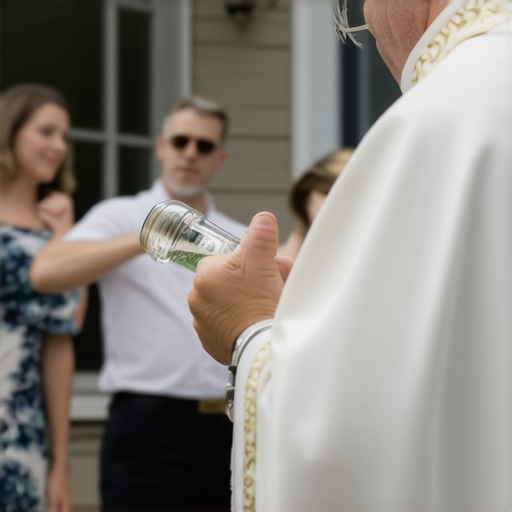
The priest will typically sprinkle holy water, invoke blessed saints, and recite prayers from the Roman Ritual approved by the Vatican. Be attentive to the prayer’s words—focused, deliberate, and confident—affirming God’s authority over any negativity. During this step, your role is to maintain a prayerful attitude, resisting fear and trusting in God’s power. I recall one occasion where I held a crucifix during the blessing, and the atmosphere shifted palpably, witnessing the spiritual presence retreat.
Follow Up with Spiritual Maintenance
Post-ritual, commit to daily prayer, regular sacramental participation, and possibly ongoing house prayers. Consider installing a prayer corner with religious icons to reinforce protection. Additionally, seeking the guidance of a spiritual director or attending healing Masses in Northern Virginia can bolster your home’s defenses. Continuously monitor for symptoms of spiritual disturbance; early intervention prevents escalation, as emphasized in this resource.
Many people believe that performing an exorcism or spiritual deliverance is a straightforward process—simply calling a priest and reciting a few prayers. However, this perspective overlooks critical nuances that can impact the effectiveness and safety of these sacred rites. One widespread misconception is thinking that any priest can perform a genuine exorcism without proper training or church approval. In reality, the Catholic Church reserves major exorcisms for trained diocesan exorcists, who undergo extensive preparation and operate under strict protocols outlined in the Vatican’s Ritual of Exorcism. Attempting to bypass these procedures not only risks spiritual harm but can also lead to fraudulent practices, which are regrettably prevalent in some localities like Arlington or near Capitol Hill; you can learn how to verify reputable exorcists here.
Another mistake is neglecting medical and psychological evaluations before proceeding with a deliverance. Many symptoms attributed to spiritual infestation—such as sudden behavioral changes or inexplicable physical sensations—may have natural causes. The Church emphasizes the importance of ruling out medical or psychiatric issues, as detailed in this resource. Failing to do so can result in inappropriate or ineffective intervention.
The idea that prayer alone suffices without respecting Church protocols is a common misconception. Rituals must be performed with proper authority and intent; superficial or incomplete prayers won’t achieve the desired spiritual protection. For instance, many underestimate the significance of sacramental preparations like confession and the use of holy water, which enhance the efficacy of the process. Additionally, the ‘quick fix’ mentality—believing that one session can resolve complex spiritual disturbances—is dangerous. Deliverance is often a journey that requires ongoing spiritual maintenance, including daily prayer, participation in Mass, and possibly ongoing consultations with a spiritual director. You can find detailed guidance on spiritual upkeep in this article.
A further pitfall is assuming superficial knowledge suffices—such as relying solely on internet searches for exorcism services in Virginia or nearby DC. While online resources provide valuable guidance, they are no substitute for qualified church authority and personal discernment. The Church’s approach emphasizes careful vetting and spiritual discernment, which can involve initial spiritual audits and consultations with sanctioned exorcists. Remember, genuine exorcisms involve rigorous evaluations and adherence to doctrinal standards, not just ritual recitations.
Let’s dig deeper: some skeptics argue that spiritual problems are merely psychological or emotional issues, dismissing the core belief in unseen spiritual realities. However, studies like those referenced in this research show that genuine cases of spiritual oppression often present symptoms that cannot be addressed solely through counseling or therapy. Recognizing this nuance is crucial to avoiding misdiagnosis and ensuring appropriate spiritual intervention.
Have you ever fallen into this trap? Let me know in the comments.Maintaining spiritual protection over time requires more than just initial prayers or rituals; it calls for consistent effort and reliable tools. One essential item I personally recommend is a **holy water sprayer**—I use a fine mist bottle to regularly bless my home, especially in areas prone to lingering negativity. This simple tool allows me to keep my environment spiritually fortified daily without the need for frequent priest visits. Additionally, I keep a **prayer journal** to track signs of spiritual disturbances and document prayer breakthroughs, which helps me stay spiritually aware and committed. Implementing **prayer apps** such as ‘Divine Office’ or ‘Rosary Army’ provides structured prayer routines, ensuring I stay grounded even during busy days, a strategy that aligns with the importance of disciplined prayer emphasized in Virginia’s deliverance practices.
Another game-changer in my routine is maintaining a **sacramental life**—regular confession, Mass participation, and Holy Communion are foundational to ongoing spiritual resilience. These sacraments act as spiritual armor, as outlined in the teachings of contemporary Virginia exorcists, which you can explore further here. For deeper protection, I recommend the use of **protective prayer cards**—small cards with powerful prayers like the Saint Michael Prayer—which I keep easily accessible to invoke God’s protection at a moment’s notice.
To bolster the home environment, I’m a firm believer in **installing Holy Icons**—such as crucifixes or Virgin Mary images—in key areas of the house. These symbols serve as constant reminders of divine presence and authority, reinforcing a spiritual barrier. When I notice signs of spiritual distress, I perform **regular spiritual audits** using checklists from expert sources, helping me proactively address issues before they escalate.
Preparation for any ongoing deliverance effort also involves **spiritual education**—attending healing Masses or participating in local prayer groups. These communal efforts strengthen collective faith and provide spiritual support, which many Virginia families find vital. I personally dedicate time weekly to reading approved spiritual literature and learning more about exorcism rituals, ensuring I better understand the signs and how to respond appropriately. This ongoing education keeps me aligned with the latest church guidance and helps identify potential dangers early.
Looking toward the future, I anticipate that integrating **smart spiritual tools**—like apps that send daily prayer reminders or alert to spiritual disturbances—will become more popular as technology advances. The key is adapting our methods to fit our modern lifestyles while remaining rooted in traditional practices.
**How do I keep spiritual protection effective over time?** The answer is consistent effort, backed by reliable tools, and a sacramental lifestyle. Regularly revisiting and refreshing your spiritual routines ensures resilience against new and unforeseen challenges. Whether by using prayer aids, maintaining sacramental participation, or engaging in community prayer, the goal is to keep your spiritual fortress strong and responsive to signs of disturbance. Remember, even a small but disciplined habit, like a daily prayer or blessing, can make a significant difference in long-term protection. For more advanced techniques on spiritual maintenance, consider exploring the detailed guides available here. Taking proactive steps today ensures peace and safety for your loved ones well into the future.
While formal exorcism rituals are vital, the deepest lessons I’ve uncovered relate to how genuine spiritual protection involves ongoing dedication, community support, and personal discernment. One lightbulb moment was realizing that consistent prayer and sacramental life serve as spiritual armor, much more resilient than a single ritual. I also discovered that trusting trained, diocesan-approved exorcists is crucial—testing credentials and understanding church protocols can make all the difference. Lastly, I learned that community prayer groups and spiritual mentoring create a safety net, transforming isolated efforts into powerful collective defenses, which I now believe are the true keys to enduring spiritual peace in Virginia homes and families.