It was late one evening in Washington, DC, when I stood in my dimly lit living room, heart pounding, feeling an inexplicable heaviness that seemed to cling to every corner. My child’s bedroom door was slightly ajar, and I could hear strange whispers echoing softly behind it. I’d seen signs before—objects moving on their own, a sudden chill that no heater could explain—but I never thought I’d face a real spiritual disturbance. That night, I realized how crucial it is to understand the true authority behind major exorcisms and why only a bishop can give that final stamp of approval.
The Power of Authority in Exorcisms
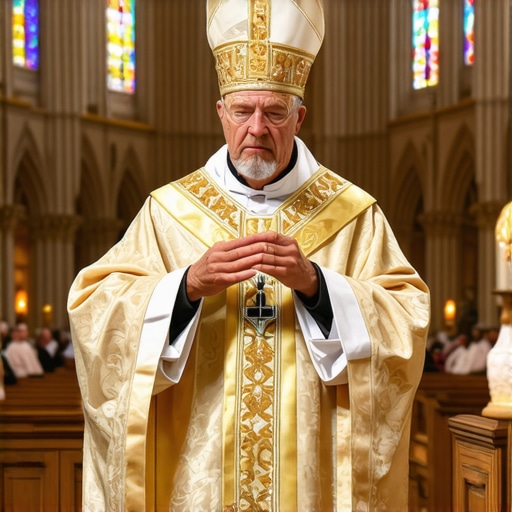
As a person deeply interested in spiritual protection, I initially thought that seeking an exorcist was a simple matter of finding someone with the right credentials. But I quickly learned that in the Catholic Church, the authority to perform a major exorcism doesn’t rest merely with any priest or deliverance minister. It’s a serious process with profound theological implications—one that requires the bishop’s explicit approval. Without this, even well-meaning practitioners can inadvertently cause more harm than good. This realization was a turning point in my understanding—and, frankly, a relief, knowing that there’s a structured, authoritative process designed to safeguard the vulnerable.
Have you ever felt unsure about who has the spiritual authority to handle your concerns? Many families facing troubling spiritual disturbances overlook the importance of dealing with authorized, diocesan exorcists. My early mistake was trusting unqualified advice, which only delayed real help and sometimes made things worse. Learning from that mistake, I discovered that understanding the legal and spiritual framework within which exorcisms happen is vital. For example, the process for approving a major exorcism in the DC area involves meticulous vetting and approval from the diocesan bishop, ensuring that everything is done in accordance with Church law. To delve deeper into how the Church manages these delicate matters, I recommend reading about [the process for approving a major exorcism in the Richmond diocese](https://americanexorcism.com/the-process-for-approving-a-major-exorcism-in-the-richmond-diocese), which provides insight into this rigorous procedure.
If you’re grappling with what feels like a spiritual attack, it’s essential to understand these protocols and seek help from recognized authorities. The risk of engaging with unqualified practitioners is high; they might lack the spiritual authority, risking ineffective or even dangerous outcomes. So, the next step is knowing how to find a reputable and authorized exorcist. Stay tuned, because in the following sections, I’ll guide you through the steps to identify genuine deliverance ministers and how to prepare for their visit. Remember, you’re not alone in this. Your safety and peace of mind depend on working within the Church’s well-established channels of authority.Identify an Authorized Exorcist by contacting your local diocese directly; avoid unverified practitioners. Schedule an initial consultation with a recognized priest, emphasizing your concerns; think of this step as a spiritual intake, similar to a medical check-up but for soul health. Prepare your home by removing occult symbols and clutter that may hinder spiritual protection efforts; a simple act akin to cleaning out unwanted pests, but for spirits. Engage in prayer and fasting beforehand to spiritually strengthen yourself, much like preparing physically for a marathon, boosting your resilience against negative influences. Gather testimonials or reviews from local communities such as Fairfax or Arlington to locate reputable exorcists; community insights are invaluable, serving as your spiritual Yelp. Confirm the priest’s credentials by verifying their affiliation with the diocese and their experience in exorcism—consider this as checking a professional’s license before hiring. If possible, visit a Catholic healing ministry or attend a prayer service to observe their process and better understand the ritual’s nature; think of it as attending a workshop before undertaking a new craft. During the initial meeting, openly discuss your situation, including any symptoms or visions experienced, to help the priest assess the best course of action—much like providing a full medical history for accurate diagnosis. Be patient, as some cases require multiple visits or preliminary sessions like a series of steps leading to a full exorcism, not an instant fix. Keep a detailed record of occurrences, prayers, and responses from authorities, serving as your spiritual diary to track progress and provide clarity to the priest. Remember, the key is working within the church’s established protocols, ensuring legitimacy and safety, much like the importance of following legal steps in any serious process. If complications arise, consider consulting additional trusted sources such as Catholic deliverance ministries in Virginia, which specialize in supporting families through this journey; think of them as specialized guides on your spiritual expedition. {}Many people believe that exorcisms are sensational, Hollywood-style rituals performed impulsively by untrained priests. However, this misconception overlooks the nuanced and highly regulated process within the Catholic Church, especially here in Washington DC and surrounding Virginia regions. The truth is, true exorcisms follow a strict protocol, emphasizing authority, discernment, and spiritual preparation, which many don’t realize. **Let’s clarify some prevalent myths and the pitfalls to avoid when seeking exorcism services near me in DC or Virginia.** A common misconception is that asking for an exorcism is a quick fix; in reality, the Church conducts thorough investigations—sometimes involving psychological evaluations—to distinguish between genuine spiritual disturbances and mental health issues. Rushing into a ritual without proper assessment can do more harm than good. As I explored in my previous experiences, trusting unverified practitioners can be a grave mistake.
Are Most Exorcisms Actually Performing the Ritual, or Are They Different?
Many think that exorcisms are rare and only performed publicly or in dramatic fashion. What most don’t see is that the Catholic Church approaches exorcism as a last resort after precautionary steps like prayer, blessing, and deliverance ministries have been exhausted. The ritual itself is deeply symbolic and precise, rooted in centuries-old tradition, not some hastily performed spectacle. For instance, before a formal exorcism, a diocesan-approved priest will carefully evaluate the case, often in remote or private settings, which is rarely understood by the public. This process aligns with the findings from what a Catholic ritual exorcism actually involves.
Beware of unqualified individuals claiming to perform exorcisms—these practitioners often lack the ecclesiastical authority or proper training, which increases the risk of spiritual backlash or exacerbating the problem. The process in the DC area, especially, involves vetting by the diocesan bishop and adherence to church law, as detailed in the vetting process for deliverance ministers in Northern Virginia. Ignoring these safeguards can result in futile or even dangerous spiritual encounters.
Another issue worth highlighting is the misconception that exorcisms are only for severe possession. Many families delay seeking help, misjudging the severity of their situation. Early warning signs like persistent fear, unexplained noises, or recurring nightmares should prompt a consultation with a qualified exorcist, as discussed in what happens during a typical DC diocesan intake. Recognizing these nuances can prevent escalation and safeguard your loved ones.
In conclusion, understanding the complex, authoritative nature of Catholic exorcisms helps avoid the trap of superficial solutions that fail to address the spiritual root of issues. Do you think you’ve encountered misconceptions or pitfalls in this realm? Share in the comments! Remember, always consult recognized expertise—your spiritual safety depends on it.Maintaining effective spiritual protection over time requires more than just initial exorcisms or blessings; it involves consistent use of proven tools and disciplined routines. Personally, I rely heavily on materials that are rooted in tradition yet adaptable to modern life. One indispensable resource is the use of blessed holy water, which can be easily prepared through your local Catholic parish or home-blessing kits outlined in Virginia home-blessing rituals. Regular sprinkling of holy water around doorways, windows, and bedrooms creates a spiritual barrier that deters negative influences, providing ongoing protection for your family and property.
Throughout my journey of understanding spiritual warfare and exorcisms near me in DC, I’ve uncovered that true authority lies within a well-structured ecclesiastical hierarchy. The most profound lesson I learned is that performing an exorcism without proper approval isn’t just ineffective—it can be dangerous. The Church’s rigorous vetting process, often involving psychological assessments and careful discernment, ensures that only those with genuine authority and training proceed. This control isn’t arbitrary; it’s designed to protect families and uphold doctrinal integrity, reminding us that spiritual safety operates within established legal and spiritual frameworks, like the procedures highlighted in the approval process in Virginia.