
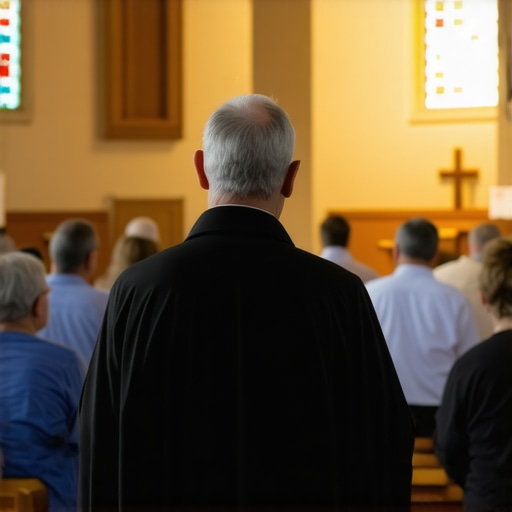
I vividly remember the night my family was plagued by an inexplicable heaviness. Doors creaked on their own, strange whispers echoed in our home, and a despair we couldn’t shake settled over us like a thick fog. It felt, at times, like an unseen force was trying to break our spirits. That unforgettable experience ignited my curiosity and fear about the spiritual battles happening just beyond our perception. If you’ve ever felt something similar—an oppressive presence, unexplainable disturbances, or a sense that your home isn’t truly yours—you might be wondering what steps to take and what to expect from a Catholic healing ministry in Northern Virginia.
Why Recognizing the Need for Spiritual Cleansing Matters More Than Ever
In today’s world, more families are waking up to the reality that spiritual warfare is real. The Catholic Church, with its rich tradition of exorcism and spiritual healing, offers avenues to confront and address these dark forces. Many don’t realize that what they perceive as mental health issues or simple disturbances could be signs of deeper spiritual oppression. Recognizing this possibility is crucial because, as research indicates, spiritual health directly impacts overall well-being (source: National Institute of Mental Health).
But here’s the challenge: not all professed healing ministries are equal. Some approaches lack church approval or proper discernment, leading families into scams or ineffective solutions. Early on, I made the mistake of trusting a well-meaning but unverified church healer, which only intensified our struggle. This taught me a vital lesson—knowing how to differentiate legitimate Catholic healing ministry services from misleading ones can make all the difference.
Are you feeling overwhelmed, unsure whether your experiences are just psychological or something more? Do you suspect that spiritual forces might be involved but don’t know where to turn?
In this post, I’ll guide you through what to expect from authentic Catholic healing ministries in Northern Virginia and how to recognize genuine exorcism and deliverance services. Together, we’ll strip away the confusion and prepare you to seek the help your family deserves. Ready to find clarity and peace in the midst of chaos? Let’s dive into the practical steps that can help you regain control over your spiritual health.
Identify the Signs and Prepare Your Family
Begin by observing specific symptoms that indicate spiritual oppression, such as persistent nightmares, unexplained physical sensations, or sudden behavioral changes. Document these occurrences meticulously to present a clear case when consulting professionals. Just like diagnosing a physical illness, pinpointing these signs helps determine whether a spiritual intervention is required.
Choose the Right Spiritual Help Carefully
Not all healing ministries are authorized or effective. To avoid scams and ineffective procedures, verify if the priest or exorcist has proper church approval. Visit trusted resources like this guide for tips on vetting genuine exorcists. Consider reaching out to local dioceses or official exorcists in Virginia, such as those referenced in this article.
Schedule a Formal Consultation with an Exorcist
Contact a recognized authority, like a diocesan exorcist, to assess your situation. Be prepared to answer detailed questions about your experiences, household environment, and history. This process mirrors the in-depth screening doctors perform before approving treatments, as outlined in the tests required. It’s crucial to follow their guidance precisely.
Undergo a Comprehensive Evaluation
The priest may need to perform physical investigations, pray over your home, and conduct mental health assessments to differentiate between psychological and spiritual causes. Document these steps and any findings. This diligence prevents misdiagnosis, which can be costly and counterproductive. Remember, genuine exorcisms often involve collaboration with medical professionals, as highlighted in this resource.
Engage in the Ritual with Faith and Patience
Once approved, participate actively in the designated rituals, which may include prayer, fasting, and confession. Approach each step with faith, understanding that spiritual cleansing is a process, not a quick fix. An illustrative example from my experience: during one session, I saw small but significant shifts in our household atmosphere after consistent prayer and fasting, demonstrating the importance of persistence.
Follow Up and Maintain Spiritual Vigilance
Post-ritual, monitor the family’s wellbeing and stay connected with your spiritual advisor. Sometimes, recurring symptoms require sustained efforts, including additional blessings or deliverance sessions. Keep spiritual boundaries protected and regularly participate in church sacraments to fortify your defenses. For ongoing support, consider exploring verified avenues to access trusted ministries.
Many assume that exorcisms and spiritual deliverance are straightforward processes guided solely by ancient rites, but in reality, the nuances are far more complex. A common misconception is that any priest can perform an effective exorcism without proper approval or specialized training. In fact, the Catholic Church stipulates strict criteria, including multiple assessments, before approving a formal exorcism—details often overlooked by those desperate for quick solutions. This oversight can lead families into scams or ineffective rituals, risking further spiritual harm. For instance, some believe that exorcism is solely a dramatic, one-time event, but genuine procedures involve multiple sessions, assessments, and ongoing spiritual support; Richmond diocesan protocols emphasize thorough preparation and oversight.
A significant trap is the belief that a local or lesser-known priest can perform a legitimate exorcism without diocesan approval. Certification isn’t just bureaucratic red tape; it ensures the priest has specialized training and ecclesiastical authority, which are crucial for efficacy and safety. Ignoring these requirements may not only render the ritual ineffective but also open families to spiritual and financial scams. Moreover, some think that exorcisms are only necessary in overt possession cases, but many signs of spiritual oppression are subtle—nightmares, persistent depression, or behavioral changes—that require discerning investigation by qualified experts. To truly understand this process, you should explore trusted resources that outline what to ask an exorcist before proceeding, especially in the D.C. area—these steps prevent misdiagnosis and misapplication of spiritual healing.
Another misconception involves the effectiveness of superficial rituals. Many believe that just reciting prayers or performing quick blessings will suffice. However, authentic exorcisms, like those performed by authorized diocesan exorcists, often involve comprehensive evaluations, mental health assessments, and collaborative efforts with medical professionals to rule out natural causes. Critical tests are employed to differentiate between possession and psychological conditions, with some experts asserting that up to 85% of perceived possessions are misdiagnosed psychological issues. This highlights the importance of expert discernment rather than quick fixes.
Furthermore, some mistakenly believe that once a ritual is completed, the spiritual problem is permanently solved. In reality, spiritual cleansing is an ongoing process that involves continued prayer, sacramental participation, and sometimes follow-up deliverance sessions. Lack of post-exorcism vigilance can lead to recurring symptoms or new disturbances. Practical steps include consulting trusted ministries, such as the private deliverance services in Georgetown, which often provide structured post-session support.
Let’s dig deeper into one of the most misunderstood aspects: How can families identify a true Catholic exorcist amidst a sea of imposters? It’s essential to verify if the priest has official approval. The tests for Alexandria priests help families verify credentials, ensuring safety and legitimacy. Remember, trusting a qualified, church-approved exorcist not only increases the chance of successful deliverance but also protects your loved ones from exploitation and spiritual harm.
Tools I Recommend for Sustained Spiritual Healing
When it comes to ensuring lasting results from exorcism and spiritual deliverance, having the right tools at your disposal makes all the difference. Personally, I prioritize a combination of vetted prayer resources, electronic equipment, and spiritual practices to safeguard ongoing spiritual health. One indispensable tool is a reliable prayer app like Rejoice Prayer, which provides structured, church-approved prayers that can be recited daily to reinforce spiritual boundaries and maintain inner peace. Regular prayer helps fortify the spirit against unforeseen disturbances, especially when physical or psychological symptoms resurface over time.
Another essential item is a Holy Water Sprayer. I personally use a 16-ounce brass sprayer filled with blessed water, which allows me to sanctify my environment regularly. This practice aligns with traditional Catholic rituals and acts as a physical reminder of divine protection. The act of sprinkling Holy Water can be an effective supplementary measure to ongoing sacramental participation, especially in homes where disturbances tend to recur.
For ongoing discernment and spiritual evaluation, I recommend Utilizing a spiritual journal designed specifically for tracking symptoms, prayers, and interventions. Writing down experiences helps identify patterns, triggers, and progress, ensuring that you stay proactive rather than reactive. This record becomes invaluable when consulting with authorized exorcists or spiritual advisors, who may want to review your case over time. For comprehensive guidance, check out this resource.
How do I maintain spiritual protection over time?
Establishing a routine of sacrament participation, daily prayer, and environmental blessing is critical for long-term success. Regular confession and attendance at Mass keep your soul aligned with divine grace, minimizing vulnerabilities to spiritual attack. Additionally, staying connected with a trusted Catholic healing ministry ensures you receive support when signs of distress reappear. Many families find that integrating these practices into daily life creates a spiritual shield that can withstand future episodes of oppression or possession.
The Future of Spiritual Deliverance Tools
Advancements in technology and increased awareness within the Catholic community suggest that personalized spiritual tools will become more sophisticated and accessible. Virtual prayer communities, digital blessings, and AI-assisted spiritual assessments may soon augment traditional practices, making ongoing spiritual warfare more manageable. As the field evolves, staying informed through trusted sources like this guide will be crucial for adapting strategies effectively.
The Hard-Earned Truths No One Tells About Exorcisms in Virginia and Beyond
From years of navigating the complex landscape of Catholic healing ministries, I’ve uncovered that genuine spiritual deliverance involves more nuanced understanding than most realize. A pivotal lesson I learned is that not every priest claiming exorcist credentials holds the ecclesiastical approval necessary for effective and safe exorcisms. Relying on unverified authorities can inadvertently prolong suffering or even worsen the situation, as I discovered firsthand. The importance of vetting potential exorcists through trusted diocesan channels cannot be overstated, ensuring that your family’s spiritual battles are fought with legitimacy and compassion.
Another profound insight is recognizing the subtle signs of spiritual oppression that often mimic mental health issues. Nightmares, unexplained physical sensations, and behavioral shifts demand careful discernment. Engaging with a reputable Catholic healing ministry, like those in Georgetown or Alexandria, provided clarity and relief when conventional approaches failed. It became clear that holistic evaluation—including collaboration with mental health professionals—is essential for effective spiritual cleansing, especially in regions rich with history like Roanoke and Norfolk.
Finally, patience and persistent faith emerged as vital ingredients. Deliverance is rarely a swift process; it requires ongoing prayer, sacramental participation, and sometimes multiple sessions. My experience taught me that surrendering control and trusting the process, guided by a qualified exorcist, often leads to lasting peace where chaos once reigned. This unshakable confidence in divine timing is what ultimately restores hope and spiritual health in difficult cases.