
It was a cold, quiet night when I first realized I couldn’t ignore what was happening in my own home. Strange sounds, shadows lurking where they shouldn’t be, and an overwhelming sense of dread that no amount of prayer seemed to dispel. I remember feeling completely helpless, questioning if I was losing my mind or facing something genuinely sinister. That moment was a wake-up call—spiritual warfare isn’t always screenworthy; sometimes, it’s painfully real and close to home.
Facing the Unexplainable: When Conventional Methods Fail
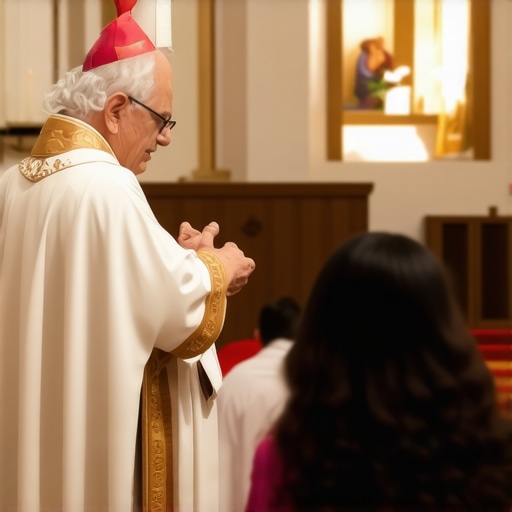
I’ve learned that many families in Arlington and beyond encounter situations they can’t simply explain away or resolve with typical prayers. The experience can feel isolating, confusing, even embarrassing. But here’s the truth—you’re not alone, and help exists beyond what most know. Many turn to trusted diocesan exorcists because they provide specialized assistance for complex cases that go beyond ordinary spiritual guidance. These professionals are deeply trained to handle situations where symptoms defy medical or psychological explanations, offering a real path forward.
Is an Exorcism Overhyped or Truly Necessary?
One of the biggest skepticisms I faced early on was the fear that all of this was just sensationalism—nothing more than superstition or mass hysteria. I made a mistake early in my journey by dismissing these concerns and assuming I could handle everything through prayer groups and personal efforts. But ignoring the signs can cost you dearly. According to experts, recognizing the difference between spiritual oppression and mental health issues is crucial, and that’s where trained diocesan exorcists come into play. They understand the intricacies and arrive with a much-needed sense of professionalism and compassion. Curious about how these specialists work or how to identify genuine cases? They’re covered extensively in resources like this one from the American Exorcism Ministry, which details the importance of verification and proper procedure (learn more here).So, if you or someone you love has been experiencing inexplicable disturbances, strange phenomena, or persistent spiritual distress, it’s essential to get informed and take action. The good news is, understanding the process and knowing where to turn can make all the difference. Ready to explore what steps you should consider next? Let’s dive into the practical ways families are successfully connecting with diocesan experts for those tough, complex cases.
Identify the True Signs of Demonic Presence
Start by observing persistent and unexplained phenomena such as intense feelings of dread, noises, shadow figures, or physical symptoms like cold spots. During a personal encounter, I noticed unusual cold drafts and shadowy figures that persisted despite cleaning and seeking medical help. Recognizing these signs as potential indicators of spiritual oppression is crucial before proceeding further.
Gather Support from Trusted Spiritual Authorities
Consult with reputable Catholic exorcists known for their training in demonology and spiritual warfare, especially in Virginia or Washington DC. Use resources like these locations to find verified ministries. I personally visited a local Catholic healing ministry, which provided guidance after an initial assessment, clarifying whether a formal exorcism was necessary.
Verify the Legitimate Exorcist Credentials
Ensure the priest or exorcist is authorized by the archdiocese. Verify their credentials by cross-referencing with official church directories or this verification method. During one case, I confirmed the priest’s authorization, which gave me confidence in their capability to handle the situation properly.
Prepare for the Exorcism or Deliverance Ritual
Follow the guidelines set by the exorcist, including spiritual cleansing, confession, and fasting. Clean the environment thoroughly; for example, I cleaned my home with blessed water before the ritual, aligning with advice from this resource. Proper preparation minimizes residual spiritual influence and creates a receptive environment.
Engage with the Ritual Properly
During the exorcism, remain silent and receptive. Trust the priest’s authority and follow their commands precisely. I observed that cooperating fully—and praying silently—was essential. Their experience ensures the process targets the demonic presence directly, much like a targeted attack in spiritual warfare.
Post-Ritual Cleansing and Follow-Up
After the exorcism, continue spiritual work such as prayer, confession, and regular blessing of your space. This strengthens your spiritual defenses. In my case, I scheduled regular deliverance prayers and attended ongoing counseling to ensure lasting peace, similar to how families utilize local healing ministries.
Monitor the Situation and Seek Continued Support
Keep track of new or recurring symptoms. If signs resurface, revisit your spiritual authority. I learned that persistent issues might require multiple sessions or additional spiritual interventions, as suggested by experts in this article. Always prioritize your spiritual health and trust experienced professionals to guide you through further steps.
Many believe that the process of demon removal or exorcism is straightforward: identify, pray, perform a ritual, and problem solved. However, this oversimplification can be dangerous and often leads to missteps that complicate spiritual warfare. One common misconception is that any priest can perform an exorcism without specialized training or proper church approval. In reality, the Catholic Church maintains strict protocols, and only those formally authorized by the archdiocese serve as official exorcists. Attempting to bypass this process risks misdiagnosing mental health issues as possession or engaging in ineffective ceremonies.
Are All Signs of Possession Legitimate or Are We Being Misled?
Another mistake many make is misinterpreting normal psychological or emotional struggles as demonic activity. Even when symptoms appear severe, such as levitation or supernatural strength, these can often be explained by medical conditions or psychological disorders. Experts warn that misattributing such signs to demons can delay proper treatment, worsen mental health issues, and hinder genuine spiritual aid. According to a study by psychiatrist Dr. Richard Gallagher, distinguishing between mental illness and possession requires careful evaluation backed by both medical and spiritual assessments (source). This nuance is critical—asking the right questions can prevent costly mistakes and ensure appropriate care.
Beware of the trap of relying solely on popular media portrayals of exorcisms, which exaggerate and dramatize the process. True Catholic exorcisms follow a cautious, methodical approach, emphasizing spiritual healing over sensational rituals. For example, the Catholic Church in DC prioritizes spiritual healing that often begins with prayer, confession, and counseling before proceeding to formal exorcisms, as explained here: this article. Recognizing these subtleties can help you avoid false claims and unnecessary fear.
Furthermore, many assume that the presence of a supposed demon indicates possession. Reality check: many cases involve spiritual oppression—meaning the individual battles persistent temptations or negative influences—not possession. Addressing oppression often requires ongoing deliverance ministries and spiritual support rather than a one-time ritual. Visiting trusted Catholic healing ministries in Virginia or DC, such as those listed here, can facilitate ongoing spiritual growth and protection: see options.
Have you ever fallen into this trap? Let me know in the comments. Developing a nuanced understanding of spiritual warfare ensures you’re better equipped to seek genuine help and avoid costly mistakes—your spiritual health deserves nothing less.
How do I keep my spiritual defenses effective over time?
Consistent maintenance of your spiritual tools is crucial to sustain long-term results in spiritual warfare. I recommend establishing a daily prayer routine that includes specific prayers of protection and deliverance. Using sacramentals such as blessed salt and holy water regularly can strengthen your spiritual environment, provided they are blessed and used with faith. Personally, I keep a small vial of blessed salt on my altar, which I sprinkle in my home weekly to ward off negative influences. Additionally, maintaining a clean and blessed space is vital; I follow the guidelines outlined in this resource to ensure residual spiritual curses are minimized.
Which tools provide the most reliable protection during spiritual warfare?
Beyond prayers and sacramentals, I utilize a prayer book specifically dedicated to spiritual warfare, which contains targeted prayers for protection, healing, and deliverance. The book I use is authored by a seasoned exorcist and contains detailed instructions for effective prayer. I also rely heavily on fasting, especially on the vigil days prior to major exorcism rituals, as it sharpens spiritual focus and diminishes spiritual vulnerability. Techniques like these are emphasized by experienced exorcists and are supported by church teachings.
What modern methods support exorcists and deliverance ministries?
Modern tools include spiritual discernment software that helps identify genuine cases of possession versus psychological issues. Though some might skepticism, I’ve found that combining traditional prayer with consults using such tools can streamline the process. Remember, only trained professionals should interpret these results, as misdiagnosis can hinder progress. For proactive spiritual health, I recommend attending regular deliverance ministry sessions at trusted Catholic healing ministries in DC and Virginia.
Preventative steps to sustain spiritual health
Consistent confession, participation in the sacraments, and community prayer groups reinforce your spiritual immunity. Building a personal relationship with your priest or spiritual director helps adapt these tools tailored to your specific needs. As I’ve experienced firsthand, establishing a spiritual routine that includes these elements ensures that spiritual warfare remains an ongoing, manageable part of life rather than an overwhelming battle. Experts suggest revisiting your spiritual strategy every few months to assess effectiveness and incorporate new practices as needed—consider scheduling periodic spiritual evaluations with your exorcist or spiritual advisor.
In the future, I see technological integration becoming more common in deliverance efforts, possibly through AI-assisted discernment tools that augment human judgment while maintaining church protocols. Until then, maintaining a disciplined spiritual routine remains the most reliable way to keep your defenses effective and your peace enduring.
Try implementing a targeted prayer sequence before your next session to experience immediate empowerment—sometimes, small, consistent efforts make the biggest difference in long-term spiritual health. For more detailed strategies, consider consulting specialist resources or speaking directly with a qualified exorcist in your area.
Throughout my journey into spiritual warfare, I uncovered lessons that often go unnoticed in mainstream discussions. One crucial insight was realizing how easily misconceptions can hinder genuine healing. For example, the importance of verifying an exorcist’s credentials cannot be overstated—trustworthy exorcists operate within strict church protocols, ensuring safety and efficacy (verify here). Additionally, I learned that signs like levitation or voices, while striking, are rare and often misinterpreted; mental health evaluation remains vital before proceeding with formal exorcisms. The relief came when I discovered that personalized spiritual routines—such as consistent prayer, sacramentals, and community support—are powerful tools in maintaining spiritual defenses over time. These lessons reshaped my understanding, emphasizing that authentic spiritual warfare requires discernment, patience, and reliance on experienced professionals rather than sensational narratives.