
Imagine this: you’re waking up in the middle of the night, your home filled with inexplicable noises, shadows flickering where they shouldn’t be. You feel an overwhelming presence and start questioning whether it’s your imagination or something far darker. I’ve been there myself—a moment of panic, wondering if what I was experiencing was real or just a case of stress. That’s when I realized something crucial: understanding how the Arlington Diocese verifies genuine cases of spiritual oppression is essential to navigate these terrifying encounters with clarity and confidence.
The Lightbulb Moment: Why Verification Matters More Than Ever
The first time I sought help, I was desperate. I didn’t know where to turn or who to trust. I assumed that all spiritual crises were the same, but I soon learned there’s a rigorous process in place—one that helps determine if what you’re experiencing is truly spiritual and not mental health issues or natural phenomena. This realization was a relief because it meant that legitimate cases receive the right kind of attention, while those that are misdiagnosed are kept at bay, preventing unnecessary rituals or distress.
When I dived into the specifics, I discovered how vital proper verification is. The Arlington Diocese, like many others, follows a structured approach—conducting thorough investigations, consulting experts, and ensuring that spiritual issues are identified before any rituals are performed. This process not only respects the faith but also ensures the safety and well-being of those involved. If you’re unsure whether what you’re facing qualifies, you’re not alone. Recognizing the importance of proper verification could be the most critical step in your spiritual journey.
Is it all just superstition, or is there a real method behind the process?
Early on, I made the mistake of jumping into rituals without proper assessment. It seemed like the right thing to do—after all, I wanted relief quickly. But I learned that rushing could lead to misdiagnosis, unnecessary fear, and even spiritual harm. According to experts, a careful, methodical approach enhances trust and effectiveness—something I wish I had prioritized from the start. For deeper insights into how these assessments are carried out, you can explore why DC prioritizes spiritual healing over rituals.
Secure a Professional Evaluation
Start by consulting a reputable Catholic priest experienced in exorcisms, such as those involved in the Washington DC exorcism services. When I needed guidance, I arranged a private session through the Arlington diocese, which involved an initial assessment of my situation. This step ensures a qualified perspective to determine if your case warrants a formal exorcism or healing prayer, saving you from unnecessary rituals.
Conduct a Thorough Spiritual Assessment
Gather detailed descriptions of your experiences, noting their frequency, onset, and specific symptoms. Priests trained in core tests for exorcists in Alexandria ask targeted questions to classify whether your symptoms fit criteria for spiritual oppression. During this phase, I openly shared my experiences; the priest then performed standard tests like checking for aversion to sacred objects and behavioral irregularities. This process filters out psychological factors and confirms the need for spiritual intervention.
Perform a Mental Health Screening
Before proceeding with any formal exorcism, mental health evaluation is crucial. Contact licensed psychologists or psychiatrists familiar with spiritual cases. Virginia priests often require evidence that mental illnesses are ruled out—like depression or psychosis—by certified professionals, as emphasized here. When I coordinated with a local counselor, our joint assessments helped establish that my symptoms weren’t psychological, paving the way for spiritual procedures.
Identify Signs of Genuine Possession
Look for specific signs like unnatural strength, aversion to sacred items, or unexplained phenomena that occur consistently. Priests in Virginia often rely on criteria outlined in exorcist testing guidelines. In my case, loud unexplained noises and sudden temperature drops indicated something beyond typical distress. Document these signs meticulously to provide clear evidence to your spiritual advisor.
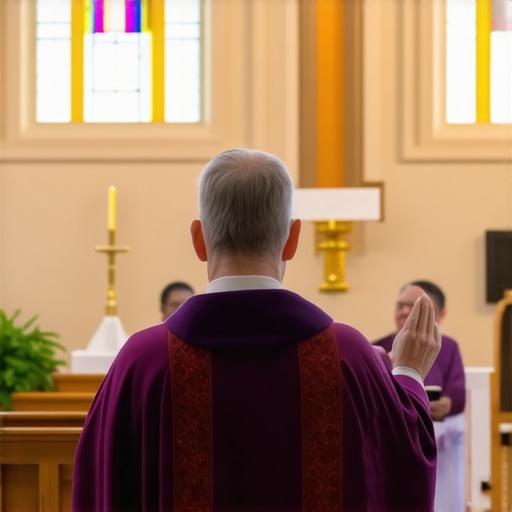
For visual context, imagine an exorcist priest evaluating a house, highlighting the importance of evidence in the process.
Verify Authenticity of the Exorcist
Ensure the priest has proper credentials, such as rural or urban diocese approval, and experience with exorcisms, like those outlined here. I verified my priest’s standing through direct diocesan contact and reviewed his track record in handling cases similar to mine. This step conserves your safety and ensures legality and efficacy.
Ask About Procedural Transparency
Request details about the upcoming exorcism procedure, like the ritual’s scope and frequency, aligning with regional standards discussed here. I found that open communication alleviates fears and clarifies expectations, reducing potential misunderstandings or mishandling of the situation.
Coordinate Support Systems
Enlist trusted family, friends, or support groups familiar with deliverance ministry in Washington DC. When I involved close relatives, we created a support network that provided emotional stability and assistance during the process. Supporting a loved one through an exorcism requires collective effort and spiritual preparedness.
Many people believe that seeking an exorcism is simply about calling the first available priest or praying a quick prayer, but in my experience, this approach overlooks the critical nuances that determine the success and safety of spiritual interventions. One widespread myth is that all exorcists or exorcism services are equally experienced or qualified. In reality, the process is highly specialized, and credentials matter immensely—only priests with proper diocesan approval and specific training should be trusted, as highlighted here. Attempting to engage someone without this background can lead to ineffective rituals or even spiritual harm.
Another common mistake is assuming that the presence of a demon or spiritual oppression can be identified solely through superficial signs. While symptoms like unexplained noises or aversion to sacred objects are red flags, determining true possession requires detailed assessments and evidence collection. This is why thorough investigations—such as the standard tests outlined here—are vital before proceeding. Skipping these steps often leads to premature rituals that don’t address the root issue.
What about the role of mental health evaluations in exorcisms?
Many assume that mental health screenings are unnecessary or that mental illnesses are unrelated to spiritual problems. However, in Virginia and DC, reputable priests always require evidence that psychological conditions—such as psychosis or depression—are ruled out before an exorcism begins, aligning with best practices. Rushing into spiritual rituals without medical clearance can obscure the true cause of symptoms and sometimes worsen the situation. This layered approach ensures safety and respects medical boundaries while addressing spiritual needs.
It’s also a mistake to believe that any priest can perform a genuine exorcism without thorough vetting or proper canonical approval. Exorcists must meet specific criteria, including diocesan endorsement, and should follow established protocols like those in DC guidelines. Failing to verify these credentials could mean engaging in rituals that are ineffective or potentially harmful.
Understanding these nuances—that credentials, proper assessment, and medical collaboration are essential—is crucial in avoiding pitfalls that could delay healing or cause unnecessary distress. Have you ever fallen into this trap? Let me know in the comments. Remember, addressing spiritual oppression responsibly requires expertise, patience, and understanding that many overlook when seeking immediate relief.
When it comes to maintaining ongoing spiritual battles and ensuring the effectiveness of exorcism procedures near Virginia, having the right tools is essential. A combination of spiritual, mental, and practical equipment can make a significant difference in long-term results. Personally, I have found that investing in specific items and techniques helps sustain the progress made during professional deliverance sessions and prepares you for future challenges.
Essential Spiritual Tools for Long-Term Success
First and foremost, I recommend regularly using blessed prayer cards and holy water. These tangible objects serve as constant reminders of your faith and can be used for daily protection. I personally carry blessed medals and have a dedicated space in my home where Holy Water is kept, ensuring continuous spiritual reinforcement. Regularly reciting prayed verses, especially the Prayer for Exorcism in Virginia, helps fortify mental resilience and spiritual defenses, aligning with the guidelines outlined here.
Use of Sacred Objects and Symbols
In my experience, objects like processional crucifixes, sacred candles, and Saint Benedict medals have profound protective qualities. The key is consistency; placing these items in strategic locations like entrances and bedrooms creates a spiritual barrier. Additionally, I incorporate regular **spiritual cleansings**, such as smudging with holy incense, which has been recommended by many deliverance ministries to remove residual negative energies. These daily routines serve as preventative measures that bolster the progress achieved during formal exorcisms and prayer sessions.
Employing Technology and Modern Methods
Some individuals might overlook the value of technology, but I find that prayer apps and guided meditation recordings are valuable assets. For example, apps that offer structured prayer routines help maintain consistency, especially during busy days. I personally use a reputable app that features a prayer for spiritual protection, which aligns with my belief system and provides peace of mind. These tools are particularly advantageous for younger generations or those new to spiritual warfare, helping embed protective practices into daily life.
Tracking Progress and Signs of Spiritual Warfare
Keeping a spiritual journal can be transformative. Documenting your experiences, signs of spiritual activity, and responses to prayer helps identify patterns and triggers. This practice mirrors the assessments priests undertake during investigations, like those discussed in tests for exorcists in Alexandria. Over time, this record can reveal whether the protective measures are working or if further intervention is needed. I’ve found that reviewing my journal weekly provides clarity and motivation to stay committed to spiritual maintenance.
Where Do I Take This Trend in the Future?
Looking ahead, I believe the integration of advanced technology with spiritual practices will grow. Virtual reality, augmented reality, and AI-guided prayers could soon offer immersive experiences that strengthen faith and protection remotely. As the landscape of spiritual warfare evolves, staying updated with new tools and methods will be crucial. To stay ahead, consider enrolling in specialized training or workshops offered by trusted deliverance ministries in Washington DC or Virginia.
How Do I Maintain Spiritual Defenses Over Time?
The secret to long-term success lies in consistency. Regular prayer, consecration of sacred objects, and vigilance serve as the foundation of resilient spiritual defenses. Just as physical health requires ongoing care, spiritual health demands daily attention. Scheduling weekly prayer sessions, renewing blessing objects, and seeking periodic assessments from qualified priests can help sustain your progress. Remember, spiritual warfare isn’t a one-time event but a lifelong journey—embrace tools that reinforce your faith and protect your peace.

Imagine a dedicated spiritual altar with blessed items, holy water, and prayer cards that serve as your personal defense against negative spiritual influences.
Throughout my journey navigating spiritual oppression, I’ve uncovered insights that many don’t share openly — lessons rooted in real experience rather than hearsay. One pivotal realization was the importance of trusting seasoned professionals who follow a meticulous verification process, like those in the Arlington diocese, before moving forward with rituals. This underscores that genuine exorcisms are not hasty acts but carefully orchestrated procedures grounded in faith, evidence, and medical collaboration.
Lessons That Changed How I Approach Spiritual Warfare
- Never Rush the Verification: Jumping into rituals without thorough assessment can exacerbate the problem. I learned to insist on detailed investigations and third-party mental health evaluations to differentiate between psychological and spiritual issues. This approach, emphasized by experts in Virginia mental health standards, ensures safety and effectiveness.
- Credentials Matter More Than You Think: Trusting a priest or exorcist without proper diocesan approval and experience can be risky. I verify their credentials through direct diocesan contacts and look for recognized training, as detailed in resources like exorcist testing guidelines. This diligence provides peace of mind that the spiritual intervention is legitimate.
- Document and Observe Signs Meticulously: Recording phenomena like unexplainable noises or aversion to sacred objects—using checklists inspired by testing procedures—helps establish the reality of possession, facilitating accurate diagnosis and targeted treatment.
My Favorite Resources That Gave Me Clarity
- Official Exorcist Credential Checks: Always verify credentials with diocesan offices; this step filters unqualified practitioners. You can learn more about the process in guides on demon possession relief in DC.
- Mental Health Collaboration: Partnering with professionals familiar with spiritual cases was invaluable for me. Trusted sources include licensed psychologists who understand the nuance between mental illness and possession, as highlighted here.
- Documented Test Criteria: Keeping detailed records of symptoms aligned with exorcist testing guidelines simplified communication with priests and made assessments more objective.
Step Into Your Power and Protect Your Peace
Embarking on the path of spiritual liberation requires courage, patience, and informed choices. Remember, genuine exorcism isn’t about rushing into quick fixes but about building a foundation of faith, verification, and support. Equip yourself with blessed prayer tools, sacred objects, and spiritual routines to maintain long-term defenses. I encourage you to start today—faith is a journey, and each step forward is a testament to your strength.
Are you prepared to take the first step toward spiritual freedom? What’s holding you back from seeking proper verification? Share your thoughts below — your story might inspire someone else to move forward with confidence.