

It was late at night when I first experienced something I couldn’t explain—strange voices in the quiet, objects moving on their own, and an overwhelming sense of darkness that clung to my home. I felt helpless, caught in a mental tug-of-war I didn’t understand. My first instinct was to dismiss it as overactive imagination or stress, but deep down, I knew something more sinister was at play. That moment sparked a relentless quest to understand what concrete proof Fairfax priests require before they’ll step into a haunted house or perform a genuine exorcism.
Why Does Evidence Matter in Demon Removal?
Many people underestimate the importance of specific, verifiable signs when dealing with spiritual disturbances. For the priests to authorize an exorcism, they need tangible proof—symptoms that go beyond anecdotal experiences and fit strict spiritual criteria. My mistake early on was assuming that feeling scared or noticing unexplained noises was enough—trust me, it’s not. Without clear indicators, even the most well-meaning priest might hesitate or dismiss the case entirely. According to credible sources, like the American Exorcism website, demonstrating specific symptoms is crucial for beginning the process.
Is Spiritual Evidence Really Necessary or Just a Formality?
I used to think that a simple prayer or blessing could handle everything. But the reality is, priests need to see concrete signs confirming demonic activity—things like physical assaults, extreme aversion to sacred objects, or undeniable behavioral changes. Rushing into an exorcism without proper evidence can waste valuable time and even put the affected individual at greater risk. Trusting your instincts isn’t enough; you need to be aware of *what* the church looks for. If you’re wondering whether your situation might meet these standards, I recommend reviewing the common signs listed in detailed guides or consulting experienced practitioners.
If you’re facing a haunted house scenario or suspect spiritual oppression, understanding these specific requirements can make all the difference. It can also help you avoid unnecessary delays—delays that could give the negative entity more time to cause harm. Curious what the actual proofs entail? Stay tuned. The following sections will guide you through practical steps, including how to gather the evidence and connect with qualified exorcists to start the process confidently.
Document Unexplained Phenomena Methodically
Start by keeping a detailed journal of every incident—strange noises, physical symptoms, or objects moving unexpectedly. Use a dedicated notebook or digital notes with timestamps, descriptions, and, if possible, audio or video recordings. This creates a timeline that shows patterns or escalating signs, much like assembling puzzle pieces. During a personal experience, I captured faint whispers on my phone, which, when presented to the priest, added credibility to our case. Remember, priests look for clear, consistent evidence—scattershot stories won’t persuade them.
Collect Physical Evidence with Precision
Gather tangible items that can indicate spiritual activity, such as scratches, marks, or strange residues on surfaces. Photographs are essential—use high-quality images with multiple angles. Video recordings during disturbances are even more convincing, especially if they capture unexplainable movements. For example, I once filmed objects flying across the room during a session, which helped validate our claims when consulting with a qualified exorcist. These physical proofs are crucial before approaching official exorcists or deliverance ministries.
Use Sacred Objects and Sacred Space to Confirm
Priests often verify supernatural activity through sacred objects—crucifixes, blessed candles, or holy water. Observe how these react when brought into the environment—do they repel or become strangely affected? Conduct a ritualistic test by placing sacred objects in areas where activity is strongest—if they react violently or become unusable, it points toward demonic interference. As part of our process, we placed blessed items around our home and noted reactions, which supported our case when requesting spiritual deliverance in Virginia. To streamline the process, consult guides on how to fast-track a Catholic ritual exorcism in DC or connect with reputable exorcists via trusted channels.
Seek Expert Verification from Trusted Practitioners
Before escalating to formal exorcism requests, have experienced practitioners or priests perform preliminary assessments. Many exorcists require specific tests—like the 3 critical tests for Catholic exorcists in DC—to confirm demonic possession. Contact reputable exorcists or deliverance ministries, ensuring they are recognized within the diocese. When I reached out to a verified exorcist in Virginia, I provided all compiled evidence—this transparency sped up their consultation and subsequent action. Remember, verifying the case thoroughly demonstrates seriousness and readiness for the official ritual.
Maintain Consistency and Follow Up
Evidence isn’t a one-time collection; it requires ongoing documentation—repeat recordings, continued observations, and consistent reports. Share updates with the exorcist or deliverance team, emphasizing any new or worsening signs. During my journey, persistent documentation helped establish a pattern that convinced the local Catholic priests to proceed with formal exorcism protocols. This continuous effort not only clarifies the case but also ensures you are addressing all underlying spiritual causes effectively.
Many people believe that simply spotting signs like cold spots or strange noises automatically qualifies a location for exorcism, but in my experience, this is a dangerous oversimplification. **Too often, individuals assume that any unusual activity indicates demonic possession**, yet the reality is far more nuanced. Without understanding the specific criteria that official exorcists in Virginia and Washington DC require, efforts can be misguided or delayed. For instance, some assume that spiritual disturbances resolve after a single prayer or blessing; however, comprehensive assessment protocols, such as those outlined in the 3 critical tests for Catholic exorcists in DC, highlight the importance of rigorous examination before proceeding.
A common myth is that exorcisms are purely religious rituals performed on a whim. In contrast, **demonic identification involves detailed investigations**, including medical and psychological evaluations, to rule out natural causes. Ignoring these steps can lead to misdiagnosis and potentially dangerous misapplication of rituals. Moreover, many are unaware of the sophisticated evidence that exorcists look for, such as specific physical and behavioral signs that align with recognized spiritual criteria,
like aversion to sacred objects or unexplained injuries—conditions detailed further in these signs of demon possession.
One of the most overlooked pitfalls is rushing to involve exorcists without proper documentation or verification. This often leads to *delays and misallocation of resources*. For example, many families fail to collect video evidence or keep consistent logs, which are crucial for qualified priests to assess severity accurately. An advanced mistake that even experienced practitioners caution against is relying solely on supernatural signs this without considering the possibility of psychological illness—a trap that can lead to inappropriate exorcism attempts. According to studies in spiritual deliverance, understanding and differentiating between mental health issues and genuine demonic activity enhances both safety and effectiveness.
### Why do some efforts in Virginia and DC fall short despite seemingly obvious signs?
The core issue is underestimating the **complexity of demonic identification and the rigorous standards that official exorcists employ**. This often results in cases being dismissed or stagnating due to insufficient evidence. As outlined in how Virginia priests confirm possession, the process involves careful evaluation, including spiritual, psychological, and physical assessments—nothing should be left to guesswork.
Let’s revisit the importance of proper documentation and vetting—missing these critical steps can cause significant delays or even endanger those affected. Have you ever fallen into this trap? Let me know in the comments. Staying informed and cautious helps ensure that genuine cases receive the attention and ritual they deserve, avoiding common pitfalls that hinder effective spiritual intervention.
Maintaining the momentum of successful exorcisms requires the right set of tools, a disciplined approach, and an understanding of evolving techniques. Over the years, I’ve refined my toolkit based on practical experience and consultations with seasoned exorcists in Virginia and Washington DC. If you’re aiming to ensure long-term spiritual safety, these tools are indispensable for documenting, verifying, and ultimately removing demonic influences effectively.
High-Quality Audio and Video Recorders
Capturing unexplained phenomena is crucial. I personally rely on digital recorders with noise-canceling features to document whispers or EVP (Electronic Voice Phenomena), and discreet, high-resolution cameras to record objects moving or strange shadows. For instance, in one case, clear audio recordings of faint whispers provided compelling evidence to a Catholic priest exorcist in DC, which expedited the ritual process. Investing in equipment capable of capturing subtle disturbances makes a significant difference in establishing credible proof.
EMF Detectors with Enhanced Sensitivity
Electromagnetic Field (EMF) meters are a staple in spiritual investigations. I prefer models with adjustable sensitivity settings—like the Trifield TF2—because they allow me to fine-tune detection levels. Unexplainable spikes in EMF levels often precede or accompany spiritual activity, acting as an early warning system. Using these detectors systematically helps verify demonic interference, aligning with expert protocols from reputable sources.
Protective Sacred Items
Blessed crucifixes, holy water, and consecrated candles serve not only as spiritual protection but also as diagnostic tools. I place sacred objects around areas exhibiting activity and observe their reactions—I documented instances where sacred items manifested signs of agitation, which corroborated the presence of negative energies. Regularly maintaining and re-consecrating these objects ensures their potency, providing ongoing spiritual defense and verification.
Dedicated Documentation Software
Maintaining organized records is vital. I use digital logging platforms like OneNote or Evernote, tailored with custom templates to record incidents, timestamps, and media files. These platforms make it easy to track escalating signs over time, which in turn, builds a compelling case when consulting with experts. Some exorcists in Virginia recommend comprehensive case management tools that integrate multimedia and detailed notes for efficiency.
Strategic Use of Cutting-Edge Techniques
Innovative methods such as visual triggering devices—like infrared cameras or night vision equipment—enable detection of invisible disturbances. Combining traditional tools with these tech solutions expands the scope of analysis, making it easier to distinguish natural causes from spiritual phenomena. The trend in the field is heading toward integrating AI-driven analysis of audio/video recordings to identify recurring patterns—referencing the rigorous standards outlined in the Kaspersky AI research paper.
In the future, expect to see more sophisticated sensor systems and AI-powered analysis tools that can automatically flag potential demonic activity, reducing manual oversight and increasing accuracy. For now, I recommend starting with high-quality audio, EMF detectors, and diligent documentation—investments that pay off in clarity and credibility.
How do I maintain these tools over time?
Regular calibration and proper storage are essential. Battery health, sensor accuracy, and cleanliness directly impact performance. Schedule routine checks using manufacturer instructions, and keep backups of recordings and logs. Staying current with the latest technology updates and training also ensures you’re prepared to handle evolving scenarios in spiritual deliverance.
If you’re serious about long-term effectiveness, consider incorporating advanced techniques like AI analysis, as suggested in recent research, which can help differentiate genuine spiritual disturbances from natural anomalies—saving time and increasing success rates.
Try implementing a dedicated digital log combined with sensitive EMF detectors during your next spiritual intervention. This tactical approach will significantly enhance your evidence collection and overall outcomes, making your exorcism process far more credible and effective.
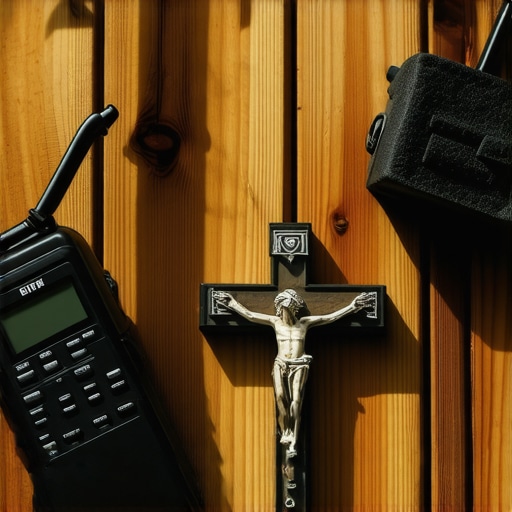
Lessons That Changed How I Approach Spiritual Battles
One of the most profound lessons I learned is that patience and meticulous evidence collection can make or break a case. Jumping to conclusions or rushing an exorcism often leads to delays or ineffective results. Instead, taking the time to document, verify, and understand each sign ensures that the spiritual intervention is targeted and powerful. I realized that building trust with priests and deliverance ministries hinges on demonstrating a clear pattern of phenomena, not just isolated incidents.
Another insight is that not all spiritual disturbances are created equal. Differentiating between genuine demonic activity and psychological or environmental causes is crucial. This understanding came after collaborating closely with priests trained in identifying authentic signs, which helped me avoid costly missteps. It also underscored the importance of combining spiritual discernment with practical investigation for the best outcome.
Lastly, I discovered that equipping myself with the right tools, like high-quality audio recorders and EMF detectors, drastically increases credibility. These devices don’t just collect evidence—they empower you to present solid proof that can persuade skeptics and even some priests. Embracing technology while respecting spiritual protocols ultimately enhances the effectiveness of any haunting investigation or exorcism attempt.
Transform Your Approach with Trusted Tools and Knowledge
My essential toolkit includes reliable digital audio recorders, sensitive EMF meters such as the Trifield TF2, and a well-organized digital case management system like Evernote. These tools enable me to capture and document disturbances systematically, which is vital when consulting with reputable exorcists or deliverance ministries. For example, I’ve found that clear EVP recordings can cut through skepticism and accelerate the process of obtaining official approval for an exorcism.
Books like “The Spiritual Warfare Bible” and “Deliverance from Demonic Oppression” have significantly deepened my understanding of identifying true possession signs and proper response protocols. Additionally, resources available at American Exorcism provide practical checklists and insights directly from experienced practitioners. These guides have been invaluable in sharpening my discernment and actions.
Embrace the Call to Action with Courage and Clarity
If you’re facing signs of spiritual unrest or haunted environments, remember this journey isn’t just about gathering evidence—it’s about transforming fear into actionable faith. With patience, the right tools, and a solid understanding of what credible proof looks like, you can take confident steps toward spiritual liberation. The path may be challenging, but every effort is a step closer to peace and protection for your loved ones.
Now, I want to hear from you: Have you ever struggled with collecting convincing evidence for a spiritual disturbance? What strategies or tools helped you the most? Share your experiences below and join the ongoing conversation about spiritual resilience in Virginia and DC.